Speed and Efficiency in Construction
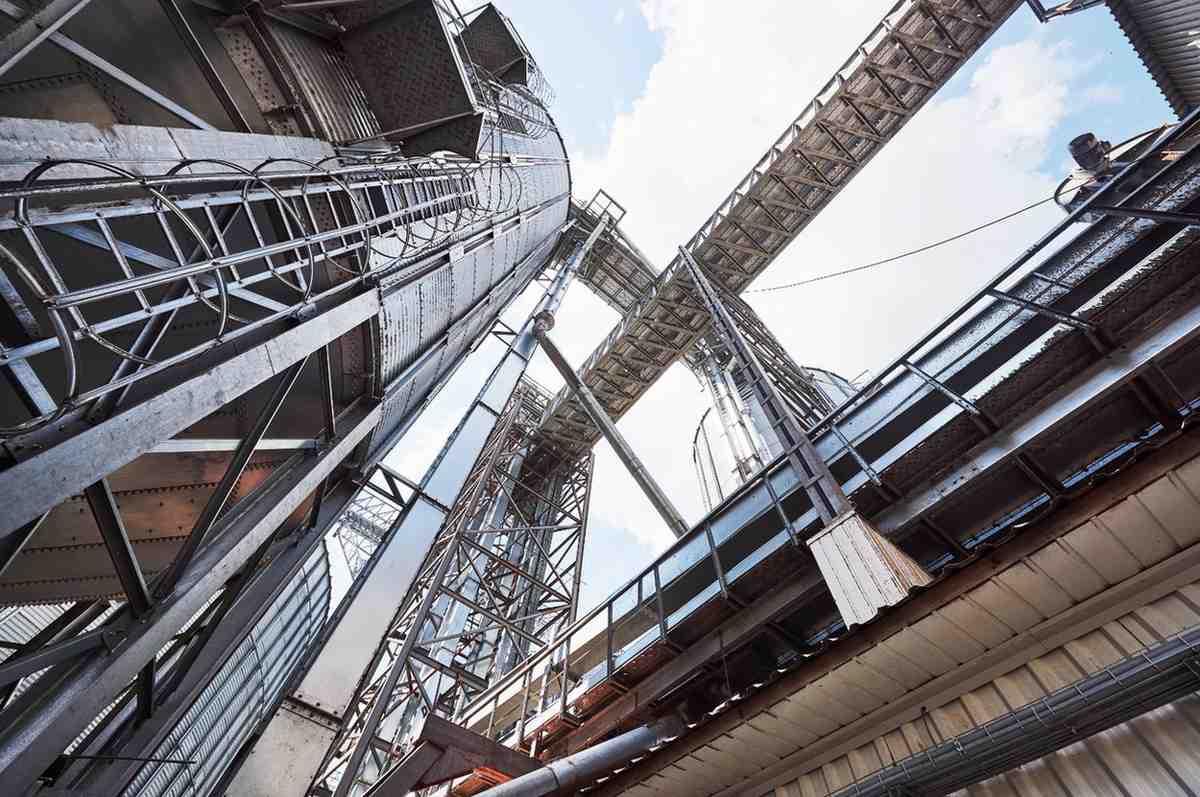
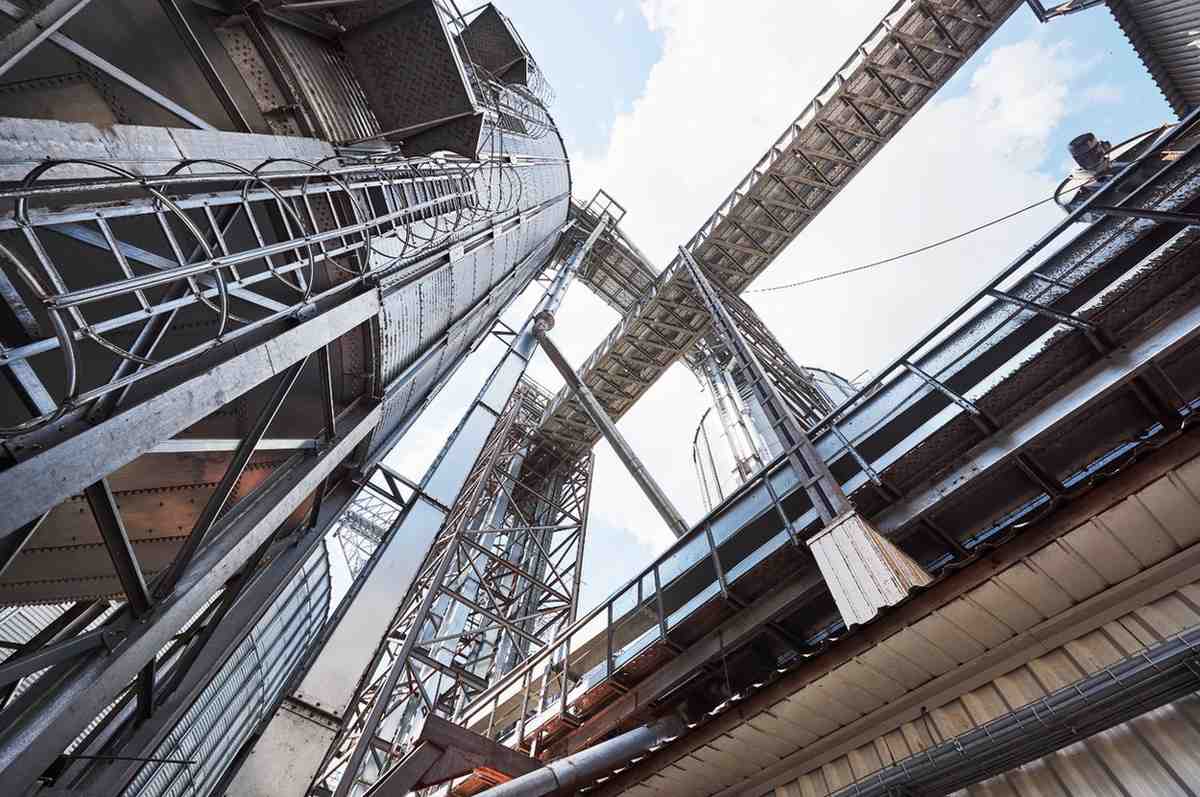
One of the most significant advantages of steel PEB in cement plants is their quick installation process. The components are pre‐fabricated in controlled factory settings and assembled on‐site, enabling fast erection PEB cement plant projects to be completed in record time. This fast construction steel PEB approach means cement plant owners can start operations earlier, improving ROI and minimizing downtime.
Cost Savings with Pre‐Engineered Designs
For industrial projects, budget efficiency is as important as speed. Choosing a cost‐effective steel PEB allows significant savings without compromising on quality. By reducing on‐site labor needs and material wastage, project owners benefit from a lower construction cost PEB outcome. Additionally, pre‐engineered building budget savings are achieved through precision manufacturing and streamlined logistics, ensuring every rupee is used effectively.
Strength, Durability, and Low Maintenance
Pre‐engineered steel buildings for cement plants are designed to withstand heavy machinery loads, extreme weather, and operational wear and tear. Steel structures are inherently strong, resistant to corrosion (with proper coating), and require minimal upkeep over decades of use. This durability reduces repair costs and ensures long‐term performance, which is vital for demanding cement plant environments.
Flexibility for Future Expansion
Another major benefit is adaptability. Steel PEB construction in cement industry projects can be easily expanded by adding new sections or modifying layouts without disrupting ongoing operations. This scalability is one of the key benefits of steel PEBs in industrial infrastructure, allowing companies to meet growing demand without expensive reconstruction.
Sustainability and Environmental Benefits
Sustainability is an increasing priority in industrial construction. Steel PEBs for cement plants are eco‐friendly because steel is fully recyclable, and the manufacturing process minimizes material waste. These structures can also integrate energy‐efficient features such as insulated panels, skylights, and ventilation systems, helping plants reduce their environmental footprint while lowering energy costs.