What Are Pre-Engineered Buildings (PEB)?
Pre-Engineered Buildings are structures designed and fabricated in a factory according to specific architectural and engineering requirements. These buildings use pre-manufactured components such as steel frames, panels, and modular elements that are transported and assembled on-site. This method contrasts with traditional construction, where most work happens at the site from raw materials.
PEB Advantages for Smart City Infrastructure
Smart cities aim to use technology and innovative designs to create more efficient, sustainable, and livable urban spaces. PEB fits perfectly into this vision for several reasons:
Speedy Construction: One of the biggest benefits of PEB is the fast construction techniques it allows. Since components are pre-made in factories, site assembly is quicker than traditional building methods. This reduces overall project time, helping meet tight deadlines in smart city and metro infrastructure development.
Cost-Effective Building Solutions: Pre-Engineered Buildings often cost less than conventional construction because of reduced labor needs and faster completion. This cost efficiency is crucial for large-scale smart city projects where budgets are tight but quality cannot be compromised.
Sustainability: Sustainable construction methods are vital in smart city planning. PEB generates less waste during manufacturing and installation and uses recyclable steel materials, aligning with eco-friendly goals.
Flexibility and Scalability: PEB offers modular building solutions that can be easily expanded or modified. This flexibility is important in urban development where future growth and changes in use are common.
Why Architects Prefer PEB for Metro Development Construction
Metro projects require strong, durable, and quick-to-construct infrastructure to support urban transit systems. Architects and engineers choose Pre-Engineered Buildings for metro development construction because:
Strength and Durability: PEB uses high-quality steel components engineered to withstand heavy loads and harsh urban environments, making it ideal for metro stations and related infrastructure.
Reduced Disruption: Faster assembly means less disruption to busy city areas during construction. Minimizing impact on daily life is a key consideration in metro infrastructure development.
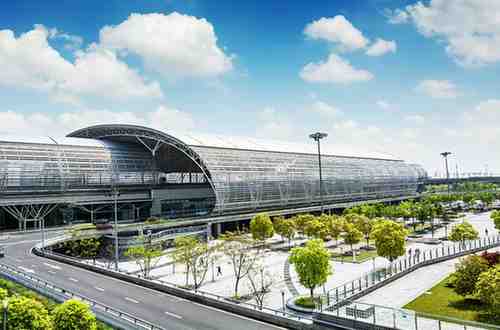
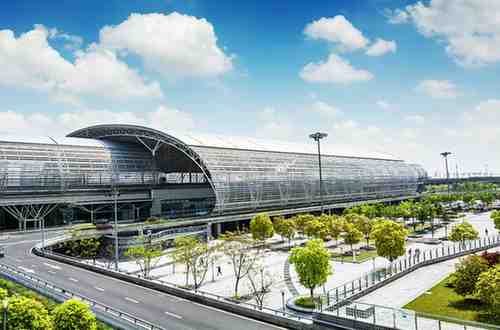
Design Versatility: Pre-engineered building for metro projects allows architects to create aesthetically pleasing yet functional spaces, from spacious platforms to administrative offices, using customized PEB designs.
Integration with Smart Systems: PEB structures can easily integrate with modern smart technologies, essential for metro stations equipped with advanced security, automation, and energy management systems.
PEB in Smart City Projects: Leading Construction Trends
Smart city construction trends emphasize innovation, sustainability, and efficiency, all of which align well with PEB technology:
Urban Development Focus: With rapid urbanization, PEB for urban development offers a practical way to build commercial, residential, and public infrastructure rapidly while maintaining high quality.
Sustainable Smart Cities: Architects increasingly prefer PEB because it supports sustainable construction methods, reduces carbon footprint, and contributes to greener cityscapes.
Cost Savings with Quality: The benefits of pre-engineered buildings include cost-effectiveness without sacrificing structural integrity or design, making PEB the architects’ choice for construction in smart city projects.
Comparing PEB vs Traditional Construction
While traditional construction remains common, PEB is outpacing it in many ways:
Time Efficiency: PEB projects are completed significantly faster, sometimes cutting construction time by 30-50%, which is vital for projects like metro development that demand speed.
Lower Construction Waste: Traditional methods often generate excessive waste. PEB, with its factory-controlled processes, minimizes material waste.
Better Quality Control: Since PEB components are fabricated under controlled conditions, the quality is more consistent than on-site traditional builds.
Cost Savings: Less labor, fewer materials wasted, and quicker timelines mean overall lower costs for PEB buildings.
Modular Building Solutions and Fast Construction Techniques
Modular building solutions are at the heart of PEB. Components like beams, columns, and panels are designed for easy assembly and disassembly. This modularity supports fast construction techniques, essential for urban environments where time and space are limited.
PEB’s modular approach also means maintenance and future expansion are simpler and less expensive, helping cities adapt as they grow.
Benefits of Pre-Engineered Buildings: Why Architects Choose PEB
Speed: Rapid construction helps meet tight deadlines and reduces project costs.
Durability: Steel structures provide long-lasting strength.
Flexibility: Easily customizable for different project needs.
Sustainability: Eco-friendly materials and less waste.
Cost-effectiveness: Lower overall expenses compared to traditional methods.
These factors make PEB the architects’ choice for construction, especially for projects demanding innovation and efficiency, like smart cities and metro developments.