Understanding Cold Rolled Steel
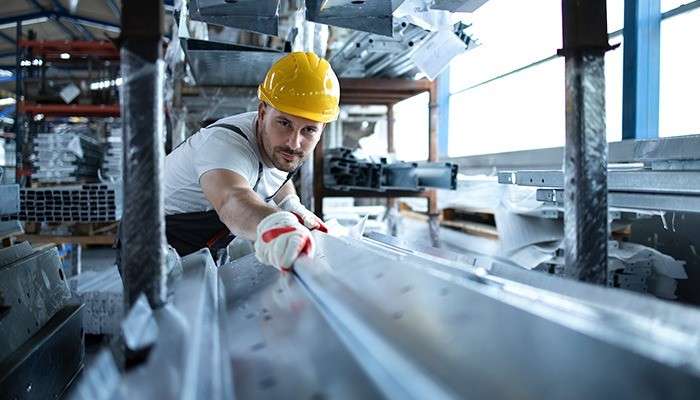
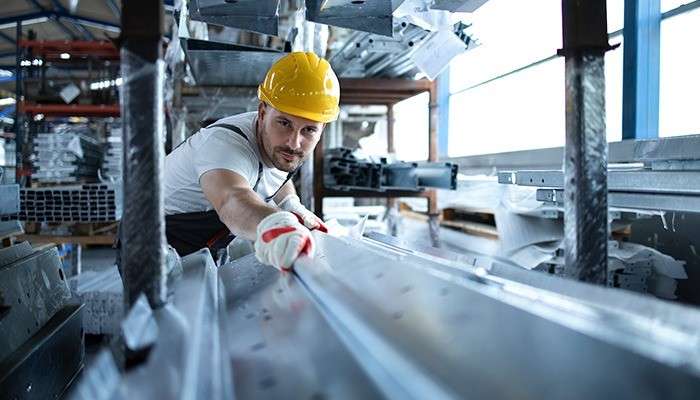
Cold rolled steel is steel that has been processed at room temperature to create a smooth, uniform, and precise shape. Unlike hot rolled steel, which is rolled at high temperatures, cold rolled steel is stronger and has better dimensional accuracy. It is commonly used in PEBs for components such as cold rolled steel beams and framing sections. The advantages of cold rolled steel make it ideal for modern construction projects. It is highly durable, resistant to corrosion, and capable of handling significant structural loads, which is essential for designing a reliable PEB structure design.
Key Benefits of Cold Rolled Steel in PEB Projects
Using cold rolled steel in a PEB offers several advantages. Understanding these benefits helps in making an informed choice:
High Strength-to-Weight Ratio: Cold rolled steel is strong while being lightweight. This allows PEBs to support heavy loads without requiring overly bulky sections.
Precision and Uniformity: Because cold rolled steel is manufactured under strict control, it offers precise dimensions, making the installation process smoother and faster.
Flexibility in Design: Cold rolled steel sheets and sections can be customized to suit different building designs, allowing architects and engineers to implement unique PEB structure designs.
Durability and Longevity: Cold rolled steel is highly resistant to wear, corrosion, and environmental damage. Using PEB cold rolled steel ensures the building remains strong for decades.
Cost-Effective: Although the initial cost might be slightly higher than hot rolled steel, the long-term benefits and reduced maintenance make it a cost-effective choice.
Types of Cold Rolled Steel Sections
When selecting cold rolled steel sections, it is essential to understand the different types available for PEB construction. Each type serves a specific purpose and contributes to the overall structural integrity:
Cold Rolled Steel Sheets
These sheets are versatile and can be used for roofing, cladding, or secondary framing components. Their smooth surface allows for easy coating and finishing.
Cold Rolled Steel Beams
These beams act as the primary structural members in a PEB. They provide load-bearing capacity and are designed to handle both vertical and horizontal loads effectively.
Cold Rolled Steel Channels and Angles
These are used for secondary support structures, such as purlins, girts, and bracing systems. They help distribute loads evenly across the building.
Custom Cold Rolled Steel Sections
Some PEB projects may require custom-designed cold rolled steel sections tailored to unique structural requirements or architectural designs.
Factors to Consider When Choosing Cold Rolled Steel Sections
Selecting the best cold rolled steel sections requires careful consideration of several factors:
Load-Bearing Capacity: Assess the building’s expected load, including roof, wind, snow, and seismic forces. Choose sections that provide adequate strength for these loads.
Design Specifications: Follow the architectural and engineering design requirements to ensure compatibility with the PEB structure design.
Thickness and Dimensions: The thickness of the cold rolled steel sheet and the dimensions of beams and sections should meet both strength and aesthetic requirements.
Durability and Coating: Check for galvanization or other protective coatings that increase resistance to rust and corrosion.
Ease of Installation: Choose sections that are easy to handle, transport, and assemble to reduce construction time and costs.
Supplier Reputation: Work with trusted suppliers who provide high-quality cold rolled steel, verified certifications, and reliable delivery schedules.
Practical Tips for PEB Projects
Collaborate closely with structural engineers to select the right cold rolled steel beams and sheets.
Ensure that all sections are standardized to simplify fabrication and installation.
Consider future expansion needs; select sections that can handle additional loads if the building is extended.
Regularly inspect steel during installation to ensure no damage or deformation occurs.