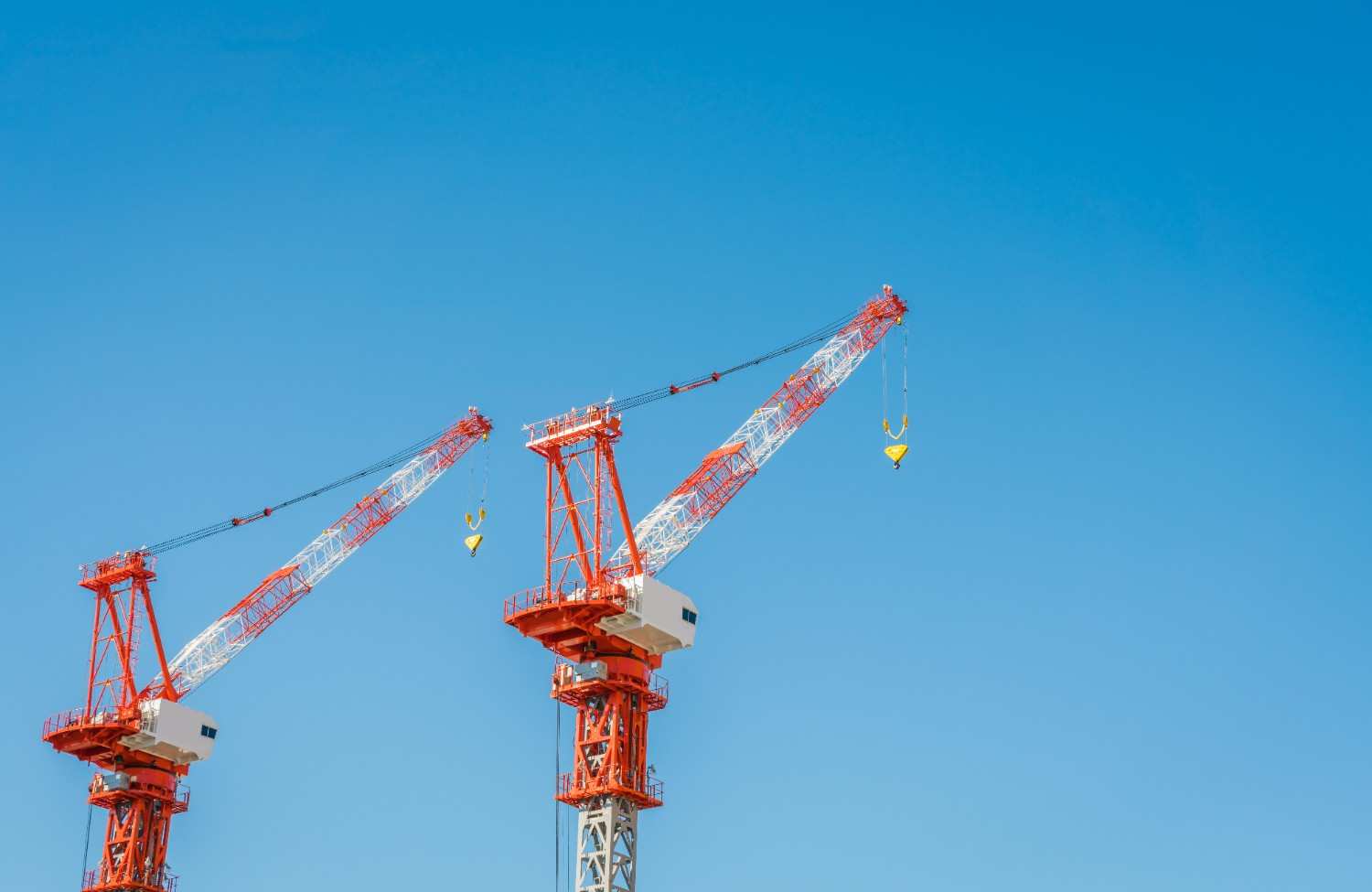
What is Crane Hook Skewing?
Crane hook skewing occurs when the crane hook moves out of alignment during lifting operations. Instead of remaining centered, the hook tilts or twists, leading to uneven load distribution. This condition not only reduces efficiency but also increases the risk of accidents and damage to both the load and the crane system. For industries relying heavily on cranes, understanding this issue is essential to avoid crane hook safety issues and ensure reliable operations.
Common Causes of Crane Hook Skewing
There are several reasons why crane hooks may skew. Some of the most frequent crane hook skewing causes include:
Load Imbalance: When the load is not evenly distributed, the crane hook can shift to one side, creating stress on the lifting system.
Crane Hook Misalignment: Improper alignment during installation or wear and tear over time can result in hooks not being positioned correctly.
Worn-Out Components: Chains, ropes, and other lifting components can wear down due to heavy use, leading to industrial crane hook issues like skewing.
Improper Handling: Incorrect operating techniques or ignoring lifting equipment safety standards can put extra strain on the crane hook.
Poor Maintenance: Lack of regular crane hook maintenance or neglecting overhead crane maintenance often causes problems to develop unnoticed until failure occurs.
Problems Caused by Crane Hook Skewing
Ignoring skewing may seem minor at first, but it can quickly lead to serious crane hook problems. Some of these include:
Safety Hazards – An unbalanced hook increases the chances of dropped loads and workplace accidents.
Equipment Damage – Continuous strain on the hook and ropes causes faster wear and may lead to costly breakdowns.
Operational Downtime – When skewing worsens, it interrupts projects, delaying schedules.
Increased Costs – Repairing damage and replacing parts due to skewing can become expensive if not addressed early.
Practical Solutions to Fix Crane Hook Skewing
To ensure efficiency and safety, companies must adopt effective crane hook skewing solutions. Some recommended practices include:
Regular Maintenance Checks: Scheduled crane hook maintenance helps detect misalignment, wear, and other issues before they worsen.
Proper Load Management: Always ensure the load is balanced and secured correctly. This reduces stress and prevents crane hook misalignment.
Use of Prefab Crane Safety Systems: Advanced prefab crane safety systems are designed to minimize risks and improve operational efficiency. They can automatically detect imbalances and support safe lifting.
Upgraded Equipment: Installing prefab crane hook solutions ensures that modern safety technologies are in place, reducing the chances of skewing.
Training for Operators: Skilled and well-trained operators who follow lifting equipment safety standards are less likely to make handling errors that lead to skewing.
Inspection of Components: Regular inspection of hooks, ropes, chains, and pulleys is part of overhead crane maintenance. This helps prevent sudden failures and ensures smooth operation.
Importance of Prefab Crane Maintenance
In construction and industrial applications, prefab crane maintenance is becoming increasingly important. Prefabricated structures often involve heavy lifting, and reliable cranes are critical for successful project delivery. Implementing crane safety solutions within prefab construction helps ensure that cranes operate at peak efficiency while reducing risks associated with skewing.