The Role of BIM in PEB Manufacturing
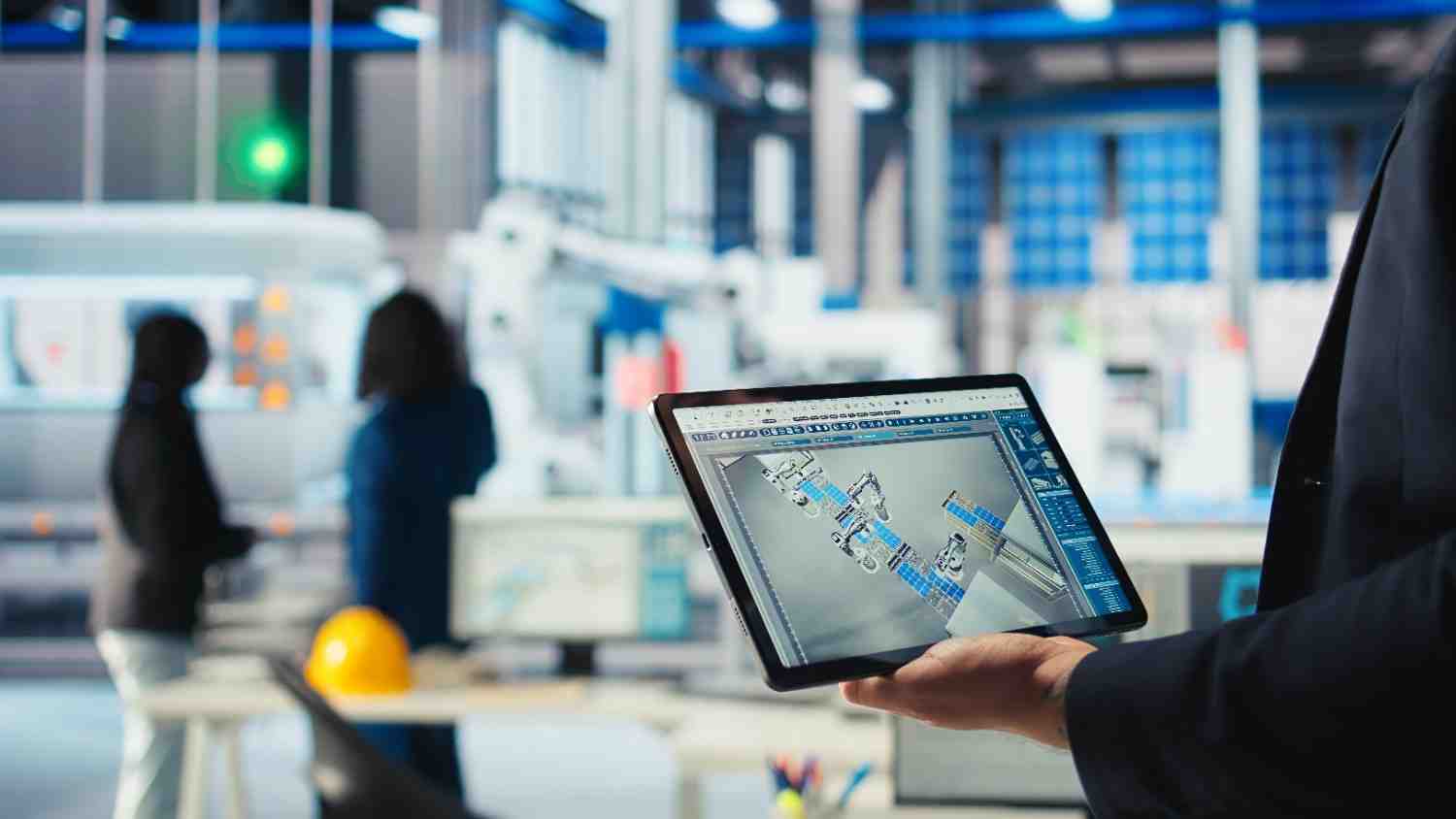
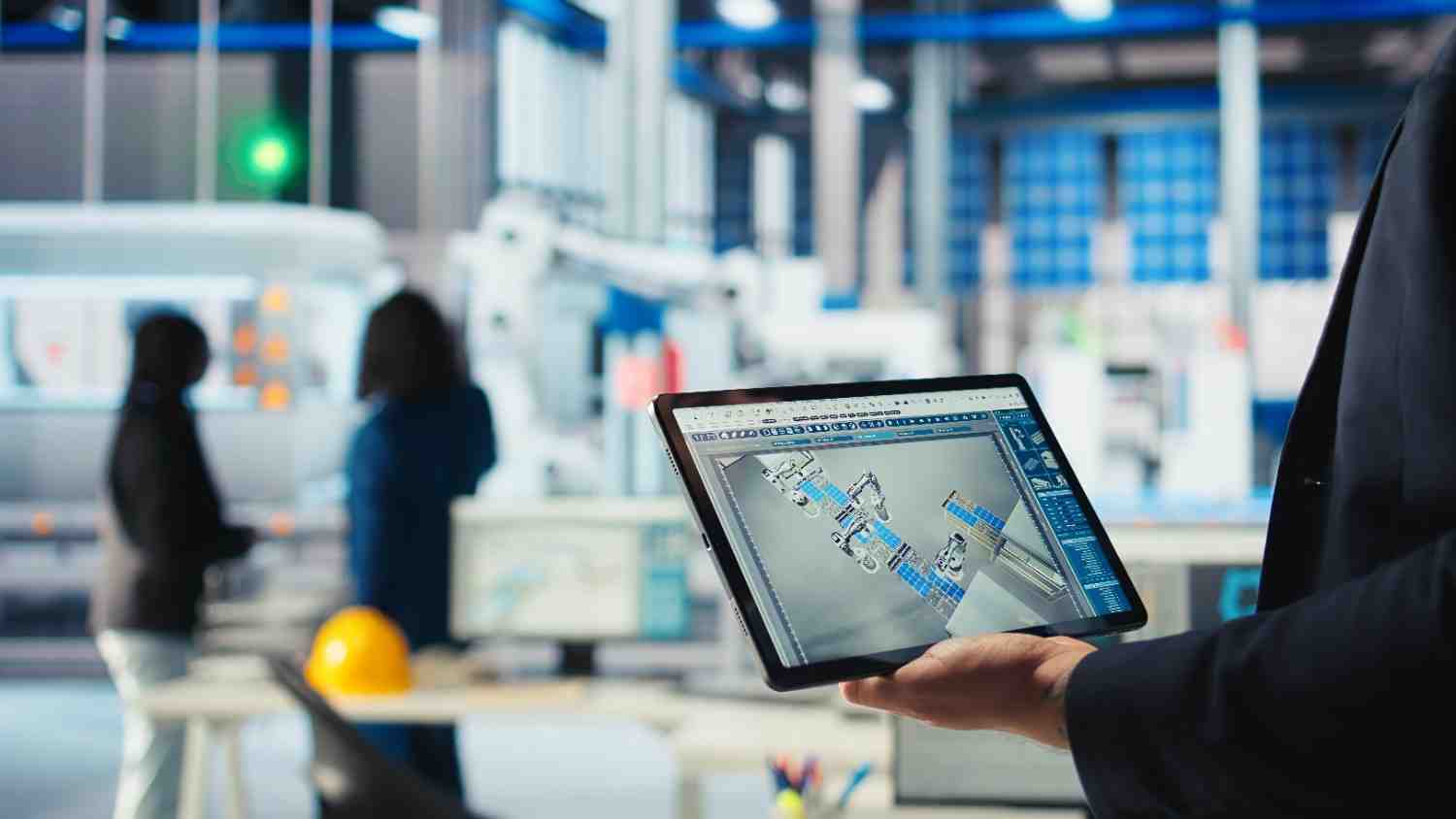
Building Information Modeling (BIM) is one of the most valuable technologies in PEB BIM processes. Instead of relying on 2D drawings, BIM allows engineers and manufacturers to create accurate 3D models of PEB structures.
Better Design Accuracy: Every detail of the building is visible in 3D, which reduces errors in design and fabrication.
Team Collaboration: Multiple teams—designers, engineers, and manufacturers—can work on the same model at the same time, ensuring smooth communication.
Time and Cost Savings: BIM highlights issues early, so changes can be made before production starts.
When combined with digital twin technology, BIM becomes even more powerful. A BIM digital twin in PEB buildings acts as a virtual copy of the structure. This digital twin helps track performance, manage maintenance, and ensure the building remains efficient throughout its lifecycle.
How AI is Transforming PEB Manufacturing
Artificial Intelligence is playing a big role in PEB manufacturing AI automation. From design to project delivery, AI is making processes smarter and more reliable.
AI-Powered Design & Modeling: AI tools suggest the most efficient and cost-effective designs for PEB structures.
Predictive Analytics: With the help of AI, manufacturers can predict possible delays, risks, and maintenance needs in advance.
Factory Automation: Machines controlled by AI can cut, weld, and assemble steel components with higher precision and speed.
Big Data Analytics for PEB Project Management: By analyzing data from past projects, AI helps plan budgets, timelines, and resources more effectively.
This means fewer errors, smoother project management, and higher customer satisfaction.
Smart Engineering in PEB
Smart manufacturing and engineering combine automation, IoT, and advanced software to improve the way PEB structures are built.
Automation in Fabrication: Modern machines ensure accurate cutting and welding, reducing waste.
Real-Time Monitoring: Sensors and smart systems track production quality at every stage.
Sustainable Practices: Smart systems minimize material usage, making PEB construction more eco-friendly.
Smart engineering ensures that PEB projects are not only faster but also more sustainable and long-lasting.
Why Digitalization Matters for the Future of PEB
The demand for faster, cost-effective, and eco-friendly buildings is growing. Digitalization in PEB manufacturing meets these needs perfectly.
Digital Twin Advantage: Real-time building monitoring improves long-term performance.
Smart Manufacturing: Automated systems speed up construction and improve safety.
Predictive Analytics: Better planning reduces risks and unexpected costs.
AI and Big Data: Smarter decisions help deliver projects on time and within budget.
In short, digitalization ensures that PEB projects are efficient, affordable, and future-ready.