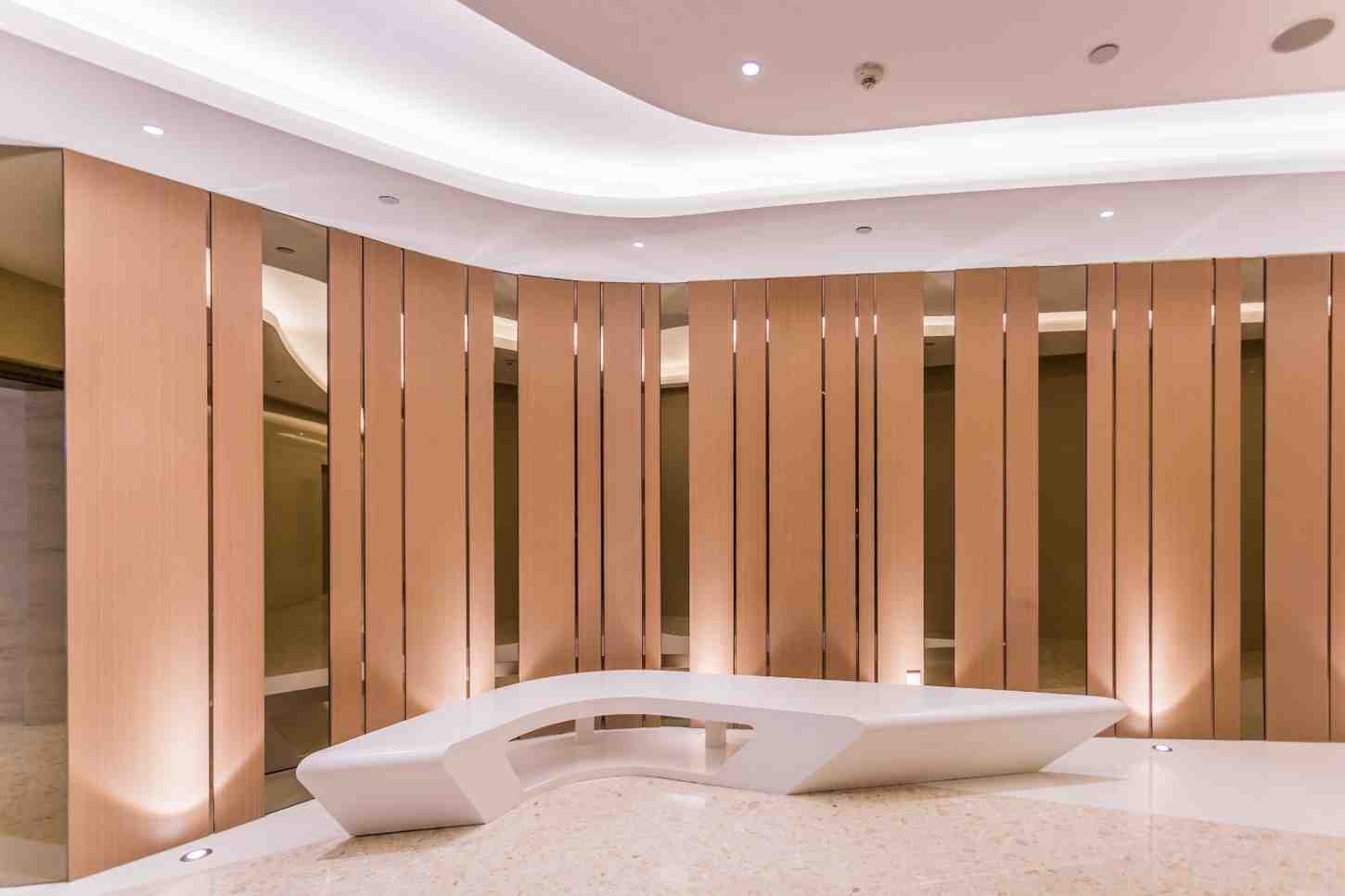
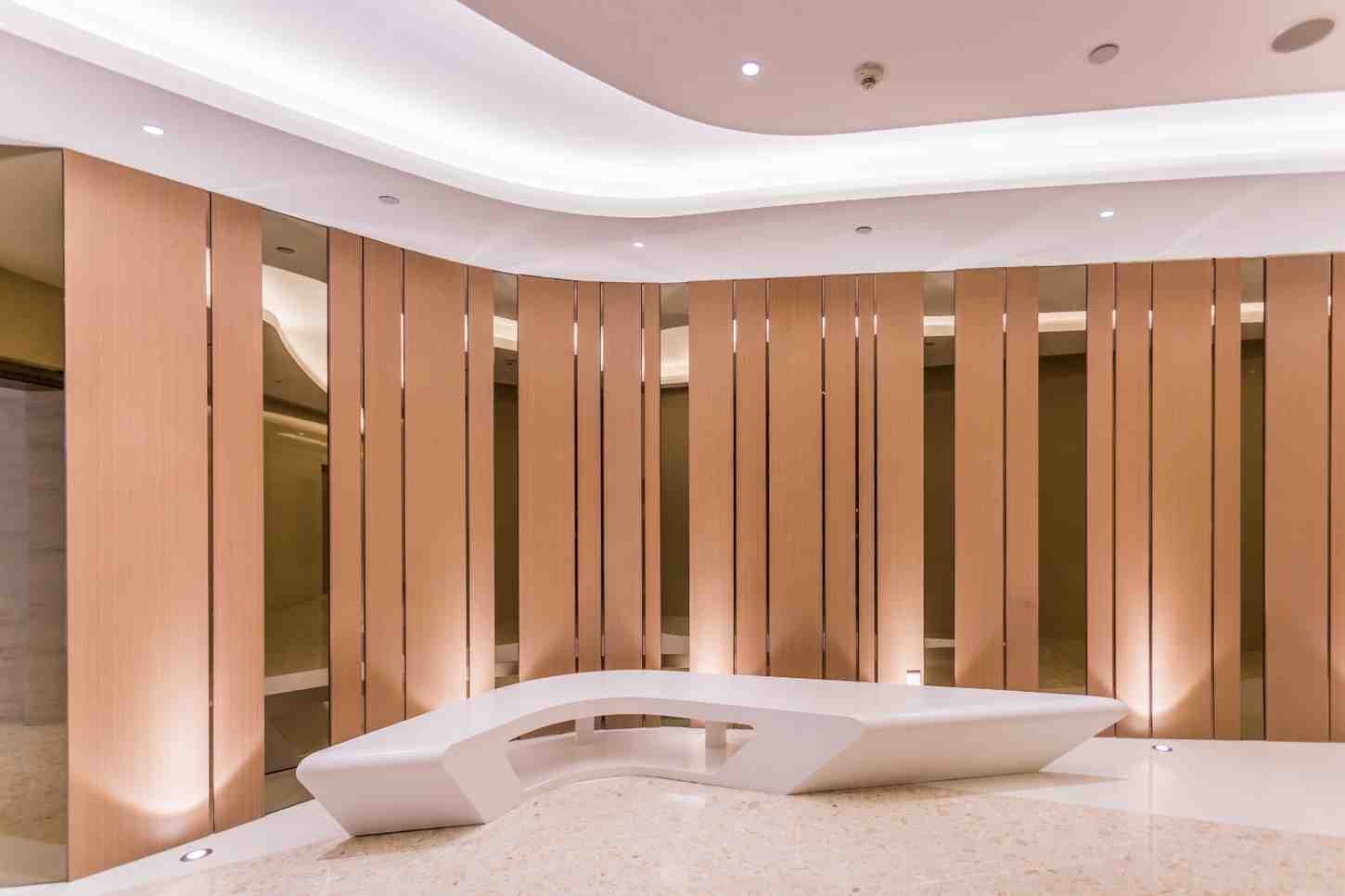
What is Drywall and Its Components
Drywall, also known as gypsum board or plasterboard, is a panel made primarily of gypsum plaster, used to construct interior walls and ceilings. Its popularity stems from its lightweight nature, cost-effectiveness, and ability to provide a clean, smooth finish. Drywall is widely used in modern architecture for partitions, ceilings, and even decorative features, making it a versatile choice for contemporary and sustainable building projects.
Components of Drywall:
Drywall Sheets: The main component, available in different sizes and drywall thicknesses to suit various applications.
Drywall Mud: A finishing compound used to seal joints, cover screws, and create a smooth, even surface.
Drywall Tape: Used along joints and seams to strengthen the connection and prevent cracks.
Metal or Wood Studs: Framework to which drywall sheets are attached during drywall installation.
Fasteners: Screws or nails used to secure drywall sheets to the studs.
Drywall in Modern Architecture
Modern drywall design allows architects to create innovative interior layouts, partitions, and ceilings that complement contemporary aesthetics. In pre-engineered building solutions such as sustainable PEB structures and modern PEB buildings, drywall provides flexibility while maintaining structural integrity. Prefab steel buildings also benefit from drywall installation, offering a quick, efficient, and adaptable solution for interior walls. Drywall in modern architecture not only supports clean, minimalistic designs but also integrates seamlessly with sustainable building practices.
Sustainable and Eco-Friendly Drywall Solutions
Sustainable drywall solutions are increasingly preferred in green construction projects. Eco-friendly drywall uses recycled materials, reducing environmental impact and promoting responsible construction. Drywall for green buildings helps improve energy efficiency, enhances indoor air quality, and supports certification standards like LEED. Incorporating drywall in sustainable architecture ensures that buildings are visually appealing, safe, and environmentally conscious.
Benefits of Drywall in Construction:
Cost-Effective: Drywall reduces overall construction costs because it is lightweight, easy to transport, and simple to install.
Lightweight and Easy to Install: Its manageable weight speeds up drywall installation and reduces labor requirements.
Fire-Resistant: Provides protection against fire hazards, enhancing the safety of homes and commercial spaces.
Soundproofing: Drywall offers excellent acoustic insulation, making interiors quieter and more comfortable.
Smooth Finish: Drywall mud and tape create seamless walls and ceilings that can be painted or finished to perfection.
Flexible Design: Supports modern drywall design, allowing for creative partitions, ceilings, and unique architectural features.
Eco-Friendly: Sustainable drywall solutions contribute to green building practices, reducing environmental impact and energy consumption.
Compatible with Modern Construction: Ideal for prefab steel buildings, sustainable PEB structures, and modern PEB buildings.