What is Industrial Fabrication
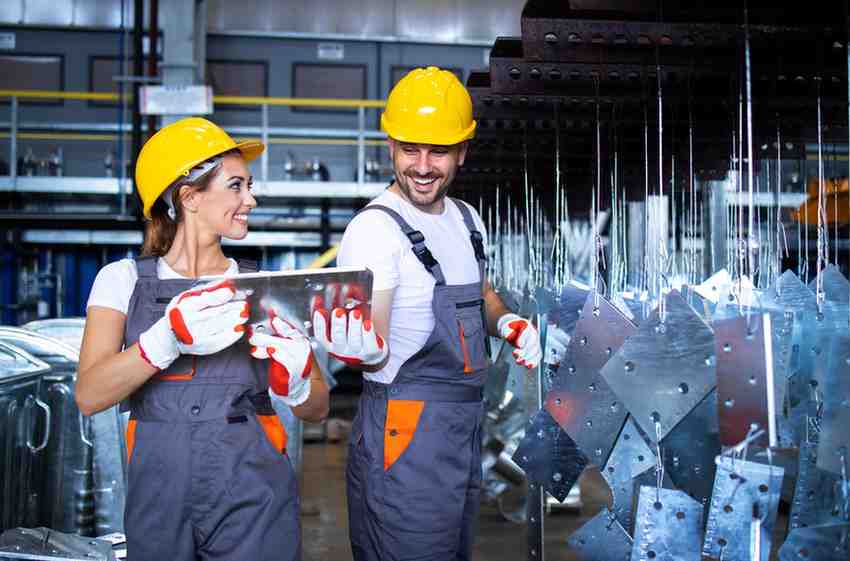
Industrial fabrication involves designing, cutting, shaping, and assembling metals to create components used in industrial applications. This includes metal fabrication, steel fabrication, and structural steel fabrication. Professional fabrication services ensure that every project meets engineering standards, with precise components that enhance performance and durability. A skilled industrial fabrication company combines advanced fabrication techniques with craftsmanship to deliver strong and reliable components for industrial projects.
The Role of Quality Fabrication in Industrial Projects
Enhanced Structural Strength: Structural steel fabrication ensures that beams, columns, and load-bearing elements can withstand stress and heavy loads. Strongly fabricated components prevent deformation or failure, which is vital for steel structure fabrication and metal building fabrication.
Precision and Accuracy: Accurate fabrication processes reduce errors during assembly. Components fit perfectly, minimizing risks of misalignment and structural weaknesses, ensuring smooth operation in industrial facilities.
Durability and Longevity: Custom metal fabrication enhances resistance to corrosion, wear, and fatigue. High-quality fabrication extends the lifespan of structures, reduces maintenance costs, and prevents downtime.
Efficient Welding and Fabrication: Proper welding and fabrication techniques ensure strong joints and secure connections. This improves the reliability of pipelines, machinery frameworks, and industrial buildings.
Flexibility in Design: Advanced fabrication workshops allow customization of components to meet project-specific requirements. Fabrication solutions tailored to industrial needs enhance performance and adaptability.
Importance of Fabrication Techniques
The use of modern fabrication techniques is critical for achieving precision, efficiency, and durability in industrial projects. Key points include:
Laser Cutting: Provides highly accurate and clean cuts, reducing material wastage. It ensures components fit perfectly, enhancing the overall strength of assemblies.
CNC Machining: Delivers precise shaping and drilling of metal parts. CNC machining ensures repeatability and consistency, crucial for metal building fabrication and structural steel fabrication.
Automated Welding: Enhances the quality and uniformity of welds. Automated welding improves joint strength and reduces human error, contributing to long-lasting structures.
Advanced Finishing Techniques: Polishing, coating, and surface treatments protect components from corrosion and wear. This step is vital for durability, especially in Pre engineered steel buildings (PEB) fabrication.
Combination of Manual and Automated Processes: Combining skilled manual labor with automated techniques ensures both precision and craftsmanship. This results in high-quality components suitable for demanding industrial environments.
Fabrication Services for Industrial Excellence
Professional fabrication services cover all aspects of industrial component production, from custom metal fabrication to full-scale steel structure fabrication. Services typically include:
- Designing and engineering metal components
- Cutting, shaping, and assembling steel and other metals
- Advanced welding and finishing
- Quality inspection and testing
By offering end-to-end solutions, industrial fabrication companies ensure that projects are reliable, durable, and capable of withstanding industrial demands.