Smarter Crane Building Design Through Automation
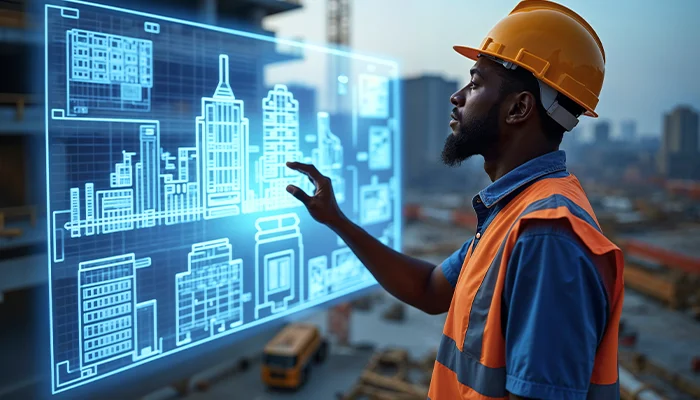
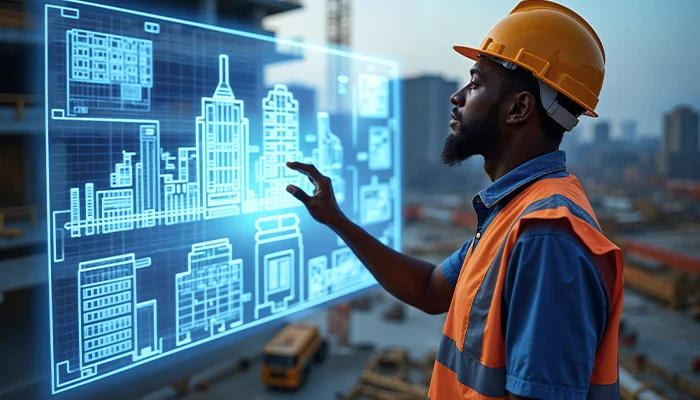
The process of designing crane buildings has become far more advanced with the introduction of automation. Instead of relying solely on manual drafting, engineers now use intelligent design software that allows for faster planning and better precision. Automation in steel structure design helps create accurate layouts, reduces errors, and ensures strong structural performance. These tools can predict stress points, analyze weight loads, and even simulate real-world conditions to improve safety before construction begins.
When automated building systems are introduced at the design stage, they make the overall planning process more efficient and reliable. This creates a strong base for smooth construction and installation.
The Role of Automated Crane Systems in Modern Construction
Automated crane systems are changing the way heavy materials are moved and placed during construction. These systems are equipped with advanced sensors, real-time tracking, and safety controls that allow for accurate and safe operation. Smart crane technology helps reduce the risk of accidents, increases productivity, and minimizes the reliance on manual processes. With automated crane installation, builders can position and align large structural components quickly and with less manpower. This results in faster project completion and improved quality of work.
Benefits of Automation in Crane Construction
Automation offers several clear benefits when applied to crane building and construction processes. Here’s how it adds value:
Faster Project Timelines: Automated systems reduce the time spent on planning, assembly, and lifting operations. This helps complete projects faster without compromising quality.
Improved Safety on Site: With automated crane systems and smart monitoring tools, safety risks are minimized. Fewer manual processes mean fewer chances for errors or accidents.
Higher Precision and Accuracy: Automation in steel structure design ensures accurate load calculations and precise component placement, which results in stronger and more stable structures.
Cost Efficiency: By reducing labor costs, material waste, and delays, automation helps keep project budgets in control.
Better Use of Resources: Automated systems optimize material usage and reduce unnecessary waste during both the design and installation stages.
Support for Modular Construction: Automation works well with modular construction methods, allowing pre-fabricated components to be installed quickly and efficiently on-site.
Real-Time Monitoring and Control: Smart crane technology includes real-time tracking, which helps in keeping construction on schedule and identifying issues early.
The Future of Crane Construction
The future of crane buildings lies in fully integrated, technology-driven workflows. With the use of advanced tools like robotics, AI, and IoT sensors, the industry is moving toward fully automated construction environments. Crane automation technology will continue to evolve, offering even better control, speed, and safety. Companies that invest in these systems today are positioning themselves for long-term success in the competitive construction landscape.