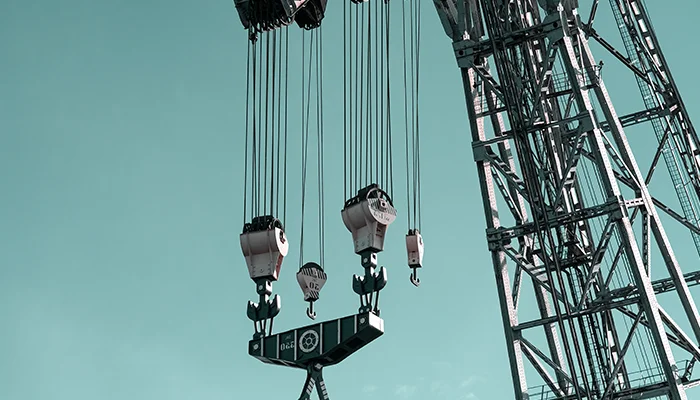
Benefits of Remote Crane Operation
Remote crane operation offers several clear advantages:
- Enhanced Safety: Workers can control cranes from a safe distance, reducing exposure to dangerous zones.
- Operational Efficiency: With remote access, multiple cranes can be monitored or operated simultaneously.
- Cost Reduction: Less manual labor and fewer accidents mean lower operational and insurance costs.
- Precision Handling: Sensors and smart controls enable smoother, more accurate movement of loads.
Such benefits have encouraged industries like steel manufacturing, shipping, automotive, and logistics to transition to remote-controlled cranes.
Challenges in Implementation
Despite its promise, adopting industrial automation cranes presents challenges. High initial investment, employee training, and integration with legacy infrastructure can be barriers for some companies. However, as the technology becomes more accessible and ROI becomes evident, adoption is steadily rising. Vendors are now offering modular systems that allow industries to upgrade at their own pace.
The Future of Crane Technology
The future of crane technology will likely include AI-driven motion planning, automated fault detection, and integration with augmented reality (AR) for enhanced operator interfaces. Cranes will become more autonomous, self-correcting, and capable of handling complex tasks with minimal oversight.
Additionally, as 5G technology expands, remote crane operations will benefit from ultra-low latency communication, allowing for smoother and more responsive controls even across vast industrial complexes.