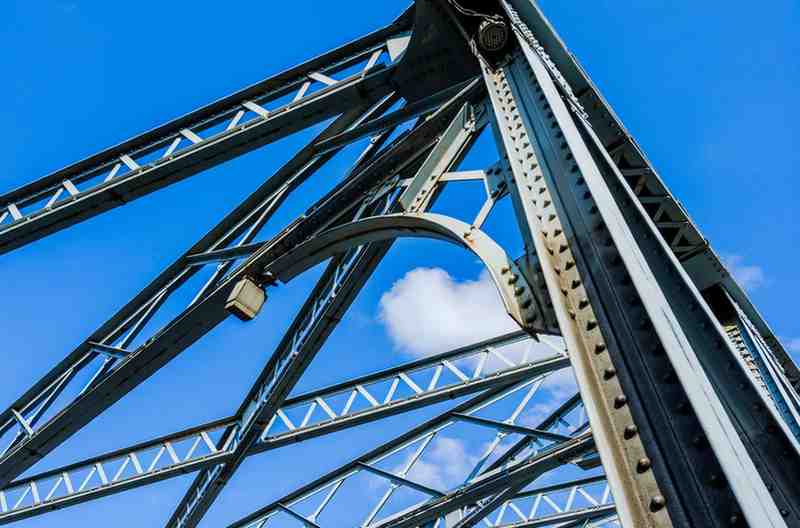
Understanding Hybrid Steel Structures
Hybrid steel structures refer to buildings or frameworks that integrate steel with other materials, usually concrete, to optimize strength, stability, and cost-effectiveness. Unlike traditional steel buildings, hybrid structural design allows for a combination of materials that can handle different loads, resist environmental challenges, and support innovative architectural designs. These structures often use a hybrid steel frame, where steel beams and columns provide the primary support, while concrete or other materials are used for floors, walls, or additional reinforcement. This combination enhances the overall structural performance and durability of the building.
How Hybrid Steel Construction Works
The functioning of hybrid steel construction is based on the principle of material synergy. Steel is excellent in tension and flexibility, while concrete is strong in compression. By combining them in hybrid steel and concrete structures, engineers can create buildings that maximize both strength and efficiency.
The process usually involves:
Design Phase: Engineers develop a hybrid structural design that specifies the steel components, concrete elements, and connections. The design focuses on optimizing load distribution, safety, and durability.
Fabrication: Steel members are prefabricated in controlled environments to ensure precision and quality.
Assembly: Steel frames are erected on-site, and concrete is poured where required, forming a cohesive hybrid steel industrial building.
Finishing: Additional structural and architectural elements, such as walls, floors, and facades, are added to complete the building.
The result is a structure that is faster to build, more economical, and capable of handling complex industrial and commercial requirements.
Advantages of Hybrid Steel Structures
There are several benefits to choosing hybrid steel construction over traditional building methods:
Strength and Durability: Steel provides excellent tensile strength, while concrete offers compressive strength. Together, they create a highly robust building.
Design Flexibility: Commercial steel buildings and industrial steel structures can be designed with larger spans and open spaces, thanks to the support provided by hybrid steel frames.
Cost Efficiency: Combining materials reduces the overall use of steel without compromising strength, making pre-engineered hybrid steel structures more cost-effective.
Faster Construction: Prefabricated steel components can be quickly assembled on-site, reducing construction time.
Sustainability: Hybrid steel and concrete structures often have a longer lifespan and can be designed for energy efficiency, reducing the environmental impact.
Applications of Hybrid Steel and Concrete Structures
Hybrid steel structures are widely used in industrial, commercial, and infrastructure projects. Some common applications include:
Industrial Steel Structures: Factories, warehouses, and production plants that require large open spaces and strong load-bearing capacity.
Commercial Steel Buildings: Shopping centers, office buildings, and multi-story complexes that benefit from faster construction and flexible layouts.
Hybrid Steel Industrial Buildings: Special-purpose facilities, such as logistics hubs and manufacturing units, where both strength and efficiency are essential.
Pre-engineered Hybrid Steel Structures: Custom-designed buildings prefabricated for rapid assembly and long-term performance.
The Role of Structural Steel Engineering
Successful hybrid steel construction relies heavily on advanced structural steel engineering. Engineers analyze load distribution, material behavior, and safety standards to ensure the hybrid design performs well under all conditions. Modern software and modeling techniques help in creating precise steel building systems that meet both aesthetic and functional requirements.