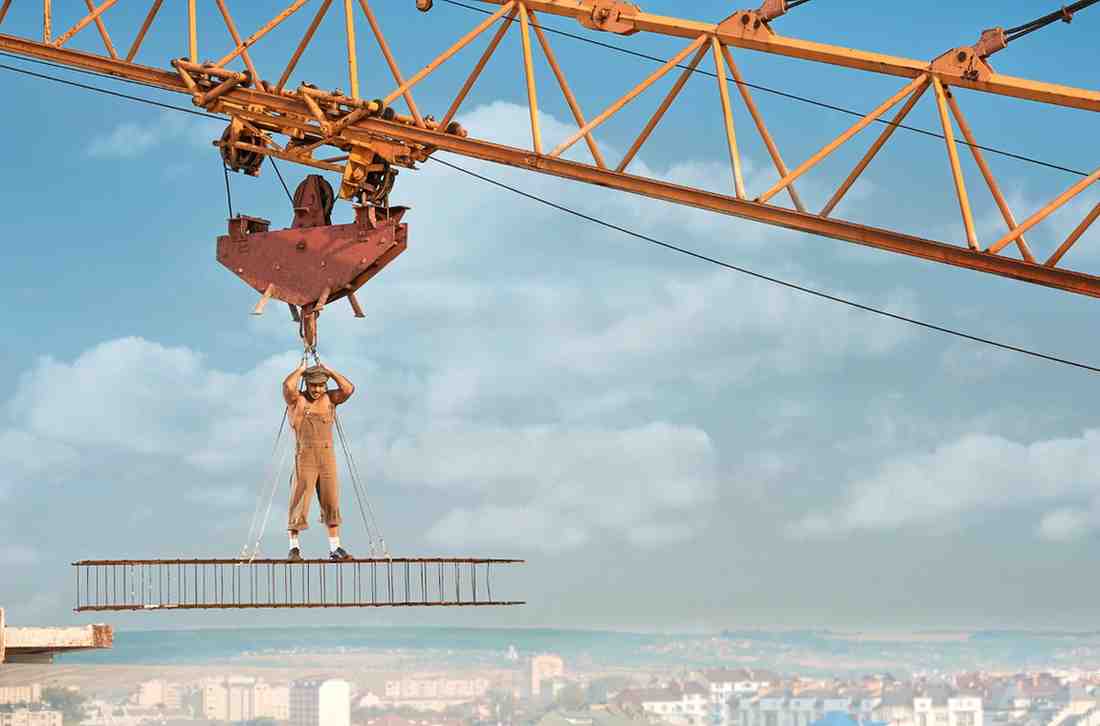
Understanding Industrial Overhead Cranes
Industrial overhead cranes are lifting machines that run on elevated tracks to transport heavy loads within a facility. Unlike forklifts or ground-based material movers, these cranes operate above the workspace, freeing up valuable floor space and ensuring smoother workflow.
There are different types of overhead crane systems, such as single girder, double girder, gantry cranes, and bridge cranes, each designed to meet specific industrial requirements. Overhead crane manufacturers focus on providing customized solutions to fit the unique demands of processing plants and factories.
Role of Overhead Cranes in Manufacturing and Processing
The primary goal of industrial crane solutions is to improve efficiency, reduce downtime, and ensure workplace safety. In a typical factory, large machinery, raw materials, and finished goods need to be moved from one stage to another. Material handling cranes take on this role by minimizing manual labor and speeding up transportation.
For example, in the steel industry, heavy-duty overhead cranes are used to lift molten metal, large coils, and heavy structural components. Similarly, in the automotive industry, overhead cranes for manufacturing ensure the precise handling of car bodies, engines, and spare parts during assembly. By reducing manual lifting and minimizing errors, industrial crane equipment improves accuracy and helps maintain high-quality production standards.
Benefits of Using Industrial Overhead Cranes
1. Improved Workflow and Productivity
One of the biggest advantages of overhead industrial cranes is their ability to move heavy materials quickly and efficiently. This reduces waiting times in production lines and keeps operations running smoothly.
2. Safety and Reliability
When dealing with extremely heavy loads, safety becomes a top priority. Overhead cranes are designed with advanced safety features such as anti-collision systems, overload sensors, and precise controls, making them safer compared to manual handling.
3. Space Optimization
Since these cranes operate above the factory floor, they free up ground space for other activities. This is particularly useful for plants that face space limitations.
4. Cost-Effective Solutions
Though the initial investment in industrial overhead cranes may seem high, they provide long-term cost savings by reducing labor costs, minimizing workplace accidents, and speeding up production processes.
5. Versatility Across Industries
From warehouses to large-scale processing plants, overhead cranes can be customized to handle different weights, materials, and workflows. Many overhead crane suppliers now offer automated solutions that further improve precision and efficiency.
Growing Industrial Overhead Cranes Market
The demand for cranes has increased significantly in recent years. The industrial overhead cranes market is growing due to rapid industrialization, rising demand for automation, and the need for safer material handling systems. Manufacturing and processing industries are investing in overhead crane systems that integrate with digital monitoring, AI, and IoT technologies. This trend highlights the importance of cranes not only as lifting machines but also as part of smart factory solutions.
Choosing the Right Overhead Crane
When selecting a crane system, it is important to consider factors such as load capacity, safety features, operational requirements, and the reputation of overhead crane manufacturers. Reliable overhead crane suppliers provide guidance on the most suitable equipment and also ensure proper installation and maintenance.
For industries that deal with extremely heavy materials, heavy-duty overhead cranes are the best choice. On the other hand, for medium-load handling, customized industrial crane equipment may be more cost-effective.