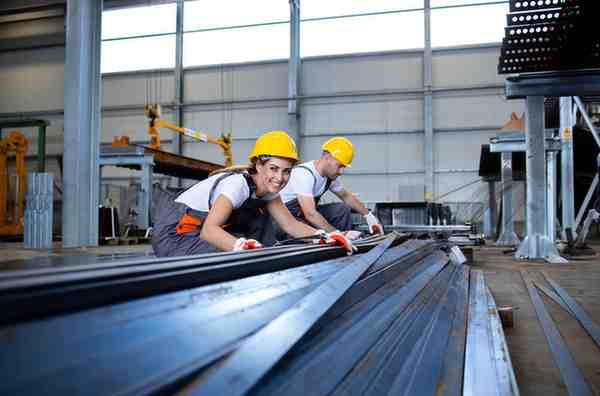
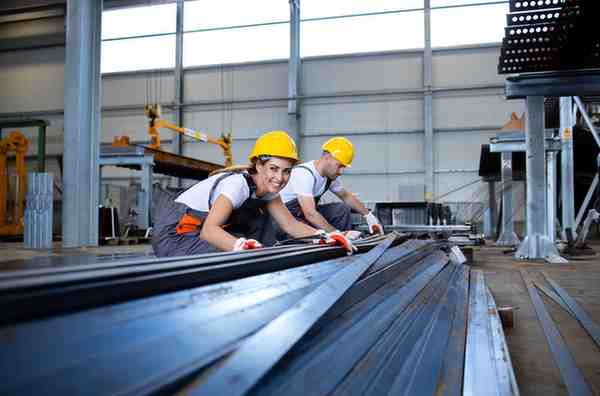
Evolution of Steel Structure Construction in PEBs
Traditional steel structures construction relied heavily on on-site fabrication and standardized components. Modern PEB construction has moved beyond this approach by incorporating advanced engineering, automated manufacturing, and precision-based design systems.
Innovations in material science, connection detailing, and fabrication methods have significantly improved the efficiency of steel building systems, making PEBs suitable for a wider range of applications such as warehouses, factories, logistics hubs, and large-scale industrial steel buildings.
Advanced Steel Materials Enhancing Structural Performance
One of the most impactful innovations shaping modern steel structures is the development of high-strength, lightweight steel alloys. These materials provide higher load-bearing capacity while reducing overall structural weight.
Advanced steel grades allow engineers to optimize PEB design, enabling longer spans, higher clear heights, and greater flexibility in layout. This not only improves space utilization but also reduces foundation requirements and material costs, contributing to the long-term sustainability of steel frame construction.
Smart PEB Design Through Digital Engineering
Digital engineering tools are transforming how PEB structures are conceptualized and executed. Building Information Modeling (BIM) plays a critical role in optimizing steel structures before fabrication begins.
Through BIM-driven PEB design, engineers can simulate loads, identify clashes, and fine-tune structural components with high accuracy. This results in fewer errors, reduced material waste, and faster project execution. Such innovations are setting new standards for advanced steel structures used in large-scale projects.
Prefabrication and Automation in Steel Construction
Automation is revolutionizing innovative steel construction by streamlining fabrication processes. Computer-controlled cutting, welding, and drilling machines ensure precision and consistency across all steel components.
Prefabricated steel components manufactured in controlled environments enhance quality and reduce dependency on skilled on-site labor. This approach accelerates PEB construction, shortens project timelines, and ensures higher safety standards, especially for complex steel structure buildings.
Enhanced Connection Systems for Greater Stability
Connection technology is another area driving the evolution of steel building systems. Modern bolted and hybrid connection systems offer improved structural integrity and faster assembly.
Innovative joint designs enhance resistance to seismic forces, wind loads, and dynamic stress, making next-generation PEBs more resilient. These advanced connections also simplify future expansions, allowing buildings to adapt to changing operational needs.
Sustainable Innovations in Steel Structures
Sustainability is a key factor shaping the future of PEB construction. Steel’s recyclability makes it an environmentally responsible material, but innovation has taken sustainability further.
Modern steel structures construction now focuses on:
- Optimized steel usage to reduce material consumption
- Energy-efficient roof and wall systems
- Integration of natural lighting and ventilation
- Reduced construction waste through precise fabrication
These sustainable practices align PEBs with global environmental standards while offering long-term cost savings.
Customization and Flexibility in Industrial Steel Buildings
Innovations in PEB design have eliminated the misconception that PEBs lack aesthetic or functional flexibility. Today’s industrial steel buildings can be customized with architectural facades, mezzanine floors, crane systems, and multi-story layouts.
Advanced engineering allows PEBs to support specialized operations such as cold storage, manufacturing lines, and heavy equipment installations. This adaptability is a defining feature of advanced steel structures used in next-generation facilities.
Role of Innovation in Expanding PEB Applications
With continuous innovation, Pre-Engineered Buildings are no longer limited to industrial use. Airports, commercial complexes, data centers, and institutional buildings are increasingly adopting PEB solutions.
The combination of durability, speed, and scalability offered by steel frame construction is driving this expansion. As innovation continues, PEBs will play a central role in infrastructure development across industries.