Understanding Lightweight Steel Frame Construction
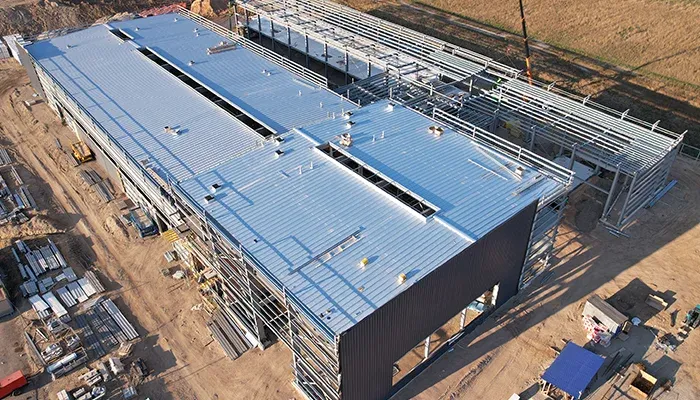
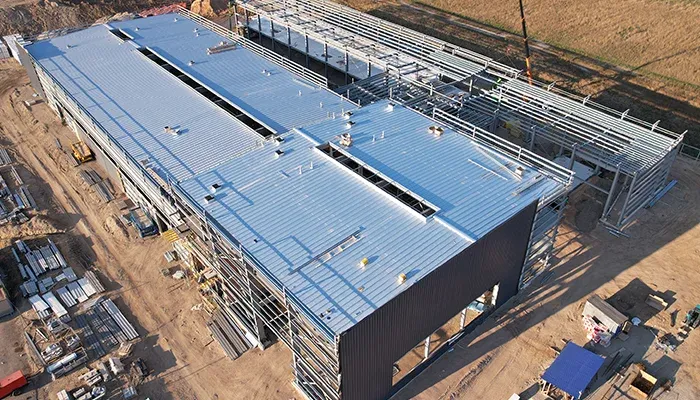
Lightweight steel frame construction uses high-strength steel sections that are engineered to reduce overall building weight without compromising structural integrity. Unlike traditional concrete systems, these frames are precisely fabricated and assembled on-site, ensuring accuracy and speed.
This method plays a key role in pre engineered building construction, where components are manufactured in factories and then assembled at the project location. The result is a streamlined construction process with minimal waste and faster completion timelines.
Why Lightweight Steel Frames Are Ideal for Multi-Storey PEB Buildings
Multi storey PEB buildings require materials that can support vertical loads while maintaining flexibility and stability. Lightweight steel structures are ideal because they offer high strength-to-weight ratios. This means they can carry heavy loads without adding excessive weight to the foundation.
Additionally, steel frames provide excellent resistance to environmental factors such as earthquakes and wind loads. This makes them highly reliable for multi storey steel building design, especially in urban areas where safety and durability are critical.
Structural Strength and Stability
One of the main reasons builders prefer steel frame structure for buildings is its superior strength. Steel does not warp, crack, or shrink like traditional materials, ensuring long-term stability.
In steel structure construction, lightweight frames are designed using advanced engineering techniques to distribute loads evenly. This reduces stress on individual components and enhances the overall performance of the building.
Faster Construction and Reduced Costs
Speed is a major advantage in modern construction projects. With PEB construction benefits, most components are pre-fabricated, allowing for quick assembly on-site. Lightweight steel frames further accelerate this process because they are easier to transport and install.
Reduced construction time directly impacts project costs. Labor expenses decrease, and projects can be completed faster, allowing businesses to start operations sooner. This efficiency is one of the key PEB building advantages that attracts developers and investors.
Flexibility in Design
Another important benefit of lightweight steel structures is design flexibility. Architects and engineers can create complex and modern designs without limitations. Whether it is a commercial complex or an industrial facility, steel frames can be customized to meet specific requirements.
Multi storey steel building design becomes more efficient with steel, as it allows for larger spans, fewer columns, and better space utilization. This is especially useful in projects where maximizing usable area is important.
Sustainability and Environmental Benefits
Sustainability is becoming a priority in construction. Lightweight steel frames are recyclable and generate less waste compared to traditional materials. Pre engineered building construction also reduces on-site pollution and energy consumption.
These eco-friendly features make steel structure construction a smart choice for developers looking to meet green building standards while maintaining high performance.
Improved Safety and Durability
Safety is a critical factor in multi-storey construction. Lightweight steel frames are non-combustible and resistant to pests, mold, and corrosion when properly treated. This enhances the lifespan of the building and reduces maintenance costs.
The durability of lightweight steel structures ensures that buildings remain strong and stable for decades, even under challenging conditions.