Lightweight and Heavyweight Steel Structures
Lightweight steel structures are made using thin sections of steel, often referred to as light gauge steel structures. These are typically cold-formed sections that are easy to assemble, transport, and modify. They are ideal for low-rise residential, commercial, and modular projects.
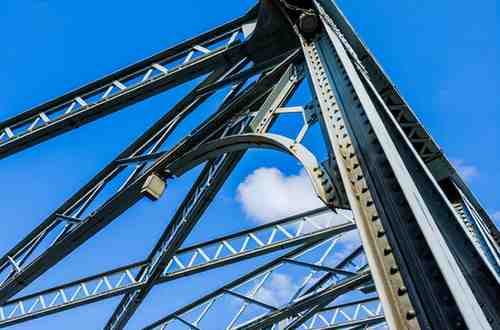
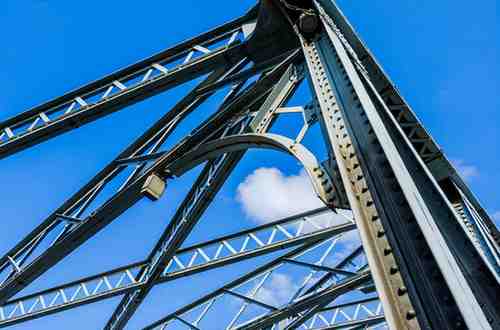
On the other hand, heavyweight steel structures—also known as heavy gauge steel structures—use hot-rolled steel members. They are stronger, more robust, and suitable for large-scale and high-rise constructions where strength and stability are critical.
Both types play a crucial role in steel structure design and modern steel building construction, but their use depends on the load requirements, design complexity, and budget.
Advantages of Lightweight Steel Structures
Cost-Effective and Efficient: Lightweight steel structures are more affordable due to reduced material usage and quicker assembly. Their steel framework allows for faster installation and lower labor costs, making them ideal for budget-conscious projects.
Ease of Installation: These structures are often part of prefabricated steel buildings, where components are pre-engineered and assembled on-site with minimal effort. This shortens the construction timeline and minimizes on-site waste.
Flexibility in Design: Architects appreciate the versatility of light gauge steel structures as they allow creative and modern structural steel design solutions without compromising strength.
Eco-Friendly Construction: Steel is recyclable, and lightweight structures reduce the overall environmental impact due to less material consumption and transportation weight.
Ideal for Small and Medium Projects: Lightweight steel structures are perfect for small industrial sheds, residential homes, and temporary installations. In regions like lightweight steel structure India, they are becoming increasingly popular for modular construction.
Disadvantages of Lightweight Steel Structures
Limited Load Capacity: Lightweight steel is not suitable for heavy loads or multi-story constructions. Its use is restricted to projects that do not demand extreme strength.
Thermal Conductivity: Steel transfers heat easily, so lightweight structures require additional insulation to maintain energy efficiency.
Vulnerability to Corrosion: If not properly coated, thin steel sections are more prone to rust, especially in humid or coastal environments.
Acoustic Limitations: Lightweight steel walls can allow sound transmission unless special acoustic materials are used during installation.
Advantages of Heavyweight Steel Structures
Superior Strength and Durability: Heavyweight steel buildings are made from structural steel capable of supporting massive loads. They are preferred in steel structure construction India for skyscrapers, bridges, and industrial plants.
Long Lifespan: Due to the use of robust materials, heavy gauge steel structures can last for decades with minimal maintenance, ensuring excellent long-term value.
High Resistance to Natural Disasters: These structures are more resistant to earthquakes, high winds, and heavy snow loads, making them suitable for critical infrastructure projects.
Supports Complex Architectural Designs: With structural steel design India evolving, heavyweight frameworks can handle complex architectural elements like cantilevers, large spans, and multi-level constructions.
Disadvantages of Heavyweight Steel Structures
Higher Cost: The cost of material, transportation, and fabrication for heavyweight structures is significantly higher than lightweight ones.
Longer Construction Time: These structures require skilled labor, welding, and detailed installation, which increases the overall project timeline.
Requires Strong Foundation: Due to their heavy weight, such structures demand a reinforced and deeper foundation, adding to construction costs.
Difficult to Modify or Relocate: Unlike prefabricated lightweight systems, heavyweight structures are permanent and cannot be easily altered or moved.
Applications of Lightweight Steel Structures
Residential Buildings: Used in housing projects, modular homes, and small commercial spaces.
Warehouses and Storage Units: Ideal for temporary or semi-permanent buildings.
Prefabricated Steel Buildings India: Commonly used for quick installation in industrial zones.
Retail Outlets and Showrooms: Provide flexibility and speed for business setups.
Lightweight systems are widely adopted in metal building systems for cost-effective and sustainable designs across India and other developing regions.
Applications of Heavyweight Steel Structures
High-Rise Buildings: Core structure for towers, offices, and apartments.
Industrial Plants and Factories: Essential for large machinery and production facilities.
Bridges and Transport Terminals: Designed for maximum load-bearing performance.
Commercial Complexes: Offers strong and durable framework for multi-story structures.
Heavyweight steel building India projects often incorporate advanced steel structure design to balance aesthetics, safety, and strength.
Choosing Between Lightweight and Heavyweight Steel
The choice depends on project requirements. Lightweight systems are ideal for speed, cost efficiency, and flexibility, while heavyweight structures are better suited for durability, load capacity, and long-term use. Consulting experts in steel structure construction India can help determine which system aligns best with your project’s technical and budgetary needs.