Understanding Load Bearing Capacity in PEB Roof Design
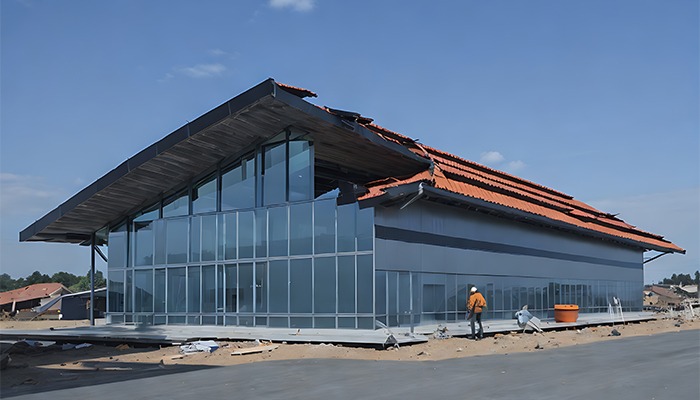
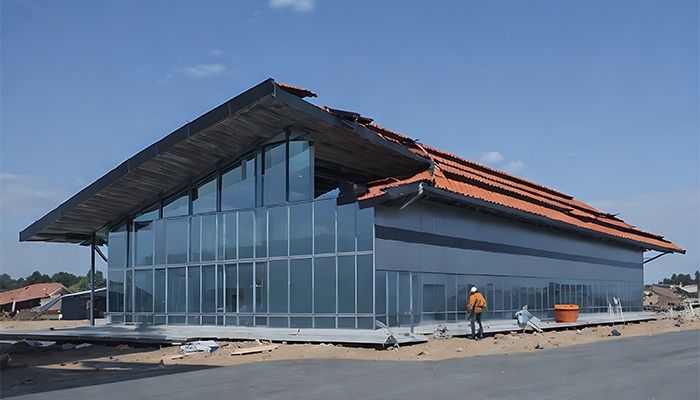
Load bearing capacity refers to the ability of a roof structure to safely support different types of loads without structural failure. In PEB construction, roof systems are engineered to handle both static and dynamic loads while maintaining stability and durability over time.
The design process involves detailed calculations and structural analysis to ensure the roof can perform efficiently under various conditions. Engineers carefully evaluate the building purpose, environmental factors, and expected operational loads before finalizing the design.
Types of Loads Considered in PEB Roof Design
Several types of loads are considered while designing a PEB roof structure.
Dead Load
Dead load includes the weight of permanent structural components such as steel frames, roofing sheets, insulation materials, and support systems.
Live Load
Live load refers to temporary loads caused by maintenance activities, workers, equipment, or movable installations placed on the roof.
Wind Load
Wind pressure significantly impacts industrial buildings, especially in open areas. Proper engineering ensures the roof structure can resist strong wind forces without damage.
Snow Load
In colder regions, roofs must be designed to support accumulated snow weight to prevent structural stress or collapse.
Seismic Load
For earthquake-prone areas, seismic resistance becomes an important consideration in PEB roof engineering.
Importance of a Strong Roof Platform
A durable Roof Platform improves the functionality and safety of industrial buildings. It provides structural support for equipment installation, HVAC systems, solar panels, and maintenance operations.
An efficiently designed platform also helps distribute loads evenly across the structure, reducing stress on individual components. This improves the lifespan of the building and minimizes maintenance requirements over time.
At Kaizen PreFab, we focus on precision engineering and high-quality steel fabrication to create reliable roof platforms that meet modern industrial standards.
Factors Affecting Load Bearing Capacity
Several factors influence the load bearing capacity of a PEB roof system.
Material Quality
High-quality steel and roofing materials improve structural strength and long-term durability.
Structural Design
Accurate engineering calculations ensure proper load distribution and stability.
Span Length
Longer roof spans require stronger support systems and advanced structural planning.
Environmental Conditions
Climate conditions such as heavy rainfall, wind speed, and temperature variations affect roof performance.
Maintenance Practices
Regular inspection and maintenance help preserve structural efficiency and prevent long-term damage.
Benefits of Proper Load Bearing Design
A well-designed PEB roof offers multiple advantages for industrial and commercial projects.
- Improved structural safety
- Enhanced durability
- Better operational efficiency
- Reduced maintenance costs
- Increased equipment support capability
- Long-term performance reliability
Proper roof engineering also allows businesses to expand operational capabilities without compromising structural stability.