Understanding Structural Steel Fabrication
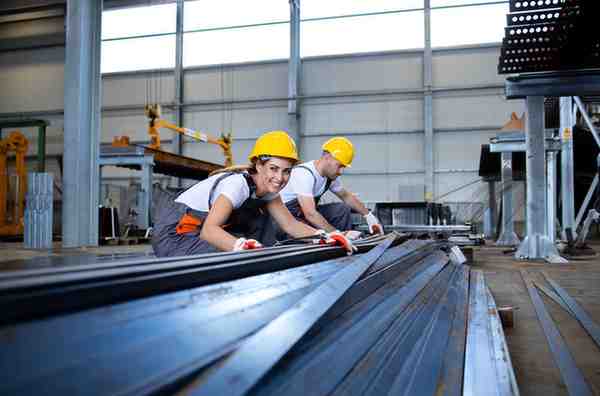
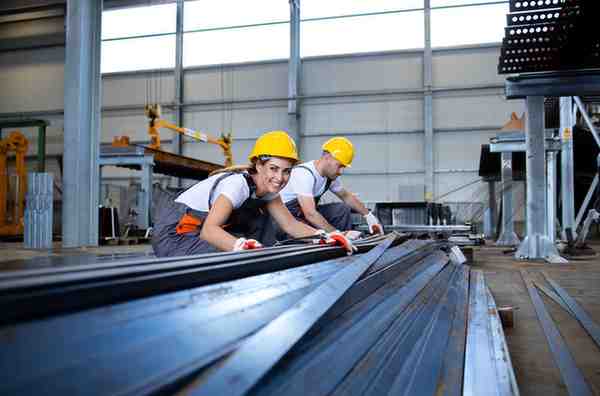
Structural steel fabrication is the process of cutting, bending, and assembling steel into desired shapes and structures. It combines engineering accuracy with skilled craftsmanship to produce components that can withstand heavy loads and harsh environmental conditions. The steel fabrication process involves several steps, including design, material selection, cutting, welding, assembling, and finishing. A well-executed structural steel fabrication process not only enhances strength but also reduces construction time and costs. Every steel structure fabrication project must follow strict specifications and quality control measures to maintain safety and compliance with structural steel fabrication standards.
Key Steps in the Structural Steel Fabrication Process
The steel fabrication process involves multiple stages, each contributing to the precision and performance of the final product.
Design and Planning
Every project begins with detailed design drawings and blueprints. Engineers and designers use CAD software to visualize the structure and define each component's dimensions. Accurate planning reduces errors and ensures all parts fit together seamlessly during assembly.
Material Selection
Choosing the right steel type is essential for durability and strength. While carbon steel is widely used, stainless steel fabrication is preferred for structures exposed to corrosion or high temperatures. The choice depends on factors like load-bearing requirements, environmental conditions, and budget.
Cutting and Shaping
Precision cutting methods such as plasma cutting, laser cutting, and shearing help shape steel components according to design specifications. These techniques improve efficiency and minimize material waste.
Welding and Assembly
Welding is a critical phase in structural steel fabrication. Skilled welders join steel parts to form a strong and stable framework. The assembly process ensures that all components align correctly and meet the necessary structural steel fabrication standards.
Surface Treatment and Finishing
Once the fabrication is complete, steel surfaces undergo cleaning, painting, or galvanizing to protect against corrosion. This step enhances durability and improves the overall appearance of the structure.
Essential Steel Fabrication Techniques
To master steel fabrication, it is important to use the right techniques at each stage. Advanced technologies and precision tools have made fabrication more efficient and reliable.
CNC Machining: Computer-controlled cutting ensures high accuracy and consistent quality.
Welding Automation: Automated welding systems maintain uniform strength and reduce human error.
Laser Cutting: This modern steel fabrication technique provides smooth and accurate cuts for complex designs.
3D Modeling: Using 3D models helps visualize projects before production, minimizing rework and ensuring accuracy.
These steel fabrication best practices improve quality control, reduce waste, and enhance productivity for any structural steel fabrication company.
Maintaining Structural Steel Fabrication Standards
Following industry standards is essential for delivering safe and reliable results. Structural steel fabrication standards such as ISO 9001, AWS D1.1 (welding), and AISC (American Institute of Steel Construction) guidelines ensure that every structure meets performance expectations.
Compliance with standards helps:
- Maintain structural integrity
- Ensure worker safety
- Enhance material performance
- Improve the reputation of the steel fabrication company
Adhering to these standards also boosts client trust and helps companies secure larger and more complex projects.
Quality Control in Steel Fabrication
Quality assurance is the foundation of every successful steel fabrication service. Monitoring each stage of the structural steel fabrication process ensures that components meet specifications before final installation. Regular inspections, testing weld strength, and verifying material quality are key steps in this process.
Modern steel fabrication services also integrate digital tools for tracking production progress and identifying potential issues early. This proactive approach minimizes downtime and ensures timely project delivery.
The Role of Stainless Steel Sheet Metal Fabrication
Stainless steel sheet metal fabrication has become increasingly popular in both architectural and industrial applications. Stainless steel is known for its corrosion resistance, aesthetic appeal, and long-lasting strength. It is widely used in structures requiring high hygiene standards or exposure to moisture, such as food processing plants, hospitals, and coastal buildings.
Integrating stainless steel fabrication into structural designs enhances longevity and reduces maintenance costs, making it a smart investment for modern infrastructure projects.
Best Practices for Mastering Steel Fabrication
To achieve excellence in structural steel fabrication, companies should adopt the following best practices:
- Invest in skilled labor and regular training programs.
- Use modern machinery for precision cutting and welding.
- Implement strict quality control at every stage.
- Follow all structural steel fabrication standards and safety regulations.
- Regularly maintain equipment to ensure accuracy and efficiency.
- Incorporate digital design and project management tools for improved coordination.
By applying these steel fabrication best practices, a structural steel fabrication company can consistently deliver high-quality outcomes and build strong client relationships.