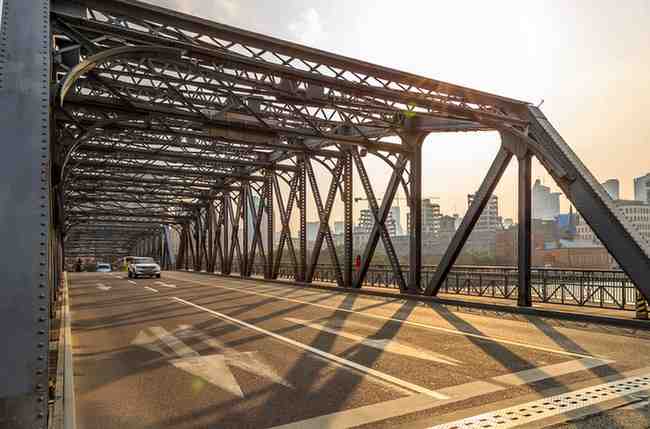
Strength and Reliability That Cities Can Trust
One of the main benefits of steel structure bridges is their exceptional strength. Steel offers a strong load-bearing capacity, making it ideal for supporting thousands of vehicles each day. These load-bearing steel structures handle heavy traffic, public transportation, and even emergency vehicles with ease. This strength allows cities to expand without worrying about infrastructure limitations. In modern bridge engineering, steel is a top choice because it can withstand harsh weather, temperature changes, and high levels of pressure. Whether placed near coastal areas, crowded metro regions, or industrial zones, steel bridges continue to stand strong and reliable.
Long Lifespan and Durable Performance
The steel bridge durability factor is one of the biggest reasons for its popularity. A well-designed steel bridge can last many decades with the right maintenance. Compared to other materials, steel does not easily crack, warp, or lose stability. This contributes to a longer steel bridge lifespan and lower repair costs over time. Engineers and planners prefer structural steel engineering because steel is resistant to corrosion when treated correctly. With regular inspections and protective coatings, these bridges maintain their safety and performance level for a long time. This makes them a great investment for both government and private infrastructure projects.
Flexible Design for Modern Cities
Another major reason why steel bridges in cities are essential is their adaptable design. With steel bridge design, engineers can create both functional and visually attractive structures. Steel allows for creative shapes, longer spans, and slimmer profiles while still maintaining stability. From busy highways to wide river crossings, steel can be shaped into different forms according to space needs. This flexibility supports faster urban infrastructure development, especially where land and design limitations exist.
Steel bridges also take shorter construction time because steel components can be prepared off-site through steel bridge construction methods. This prefabrication reduces on-site work and helps avoid long traffic disruptions.
Safe and Sustainable Choice for Urban Growth
Safety is a top priority in infrastructure, and heavy steel bridges deliver strong structural performance. During natural disasters like earthquakes or floods, steel can absorb stress better than many other materials. This quality keeps the bridge stable and reduces damage risks. Apart from strength, steel is also a sustainable material. It can be recycled without losing quality or durability. As cities focus more on green growth and environmental goals, steel bridges play a major role in creating eco-friendly urban connectivity infrastructure.
Supporting Modern Transportation Needs
Today’s cities need systems that support fast travel and easier access. Heavy steel bridges allow smooth movement between different urban zones such as residential areas, commercial centers, ports, and airports. This makes them a key part of transportation planning and economic progress. As population increases, cities require bridges that can handle heavier and more frequent usage. This is where steel bridge advantages become essential, as they help reduce congestion and improve travel efficiency.
A Foundation for the Future of Urban Infrastructure
With rising technology, modern bridge engineering has become more advanced. Smart monitoring systems, improved steel coatings, and better fabrication methods make steel bridges even more reliable today. They support the future of smart cities by improving safety, reducing maintenance, and ensuring long-term durability. Heavy steel bridges continue to serve as the backbone of infrastructure because they support the growth of transportation, commerce, and daily life. Without them, cities would struggle to maintain smooth, safe, and strong connectivity.