Understanding the Importance of Ventilation in PEB Structures
Ventilation is the process of exchanging indoor air with fresh outdoor air. It removes contaminants, moisture, and odors while supplying fresh air to occupants. In commercial, industrial, and residential buildings, maintaining proper ventilation is crucial for avoiding health problems such as respiratory issues and allergies.
PEBs offer a unique opportunity to incorporate advanced ventilation strategies during the design phase, rather than retrofitting solutions after construction. This integration is a major factor in the superior indoor air quality solutions provided by modern PEBs.
How PEB Design Enhances Air Circulation
One of the standout PEB design benefits is the ability to customize building layouts to promote natural air movement. The flexibility inherent in pre-engineered building design allows architects and engineers to design wide-open spaces with fewer obstructions. This openness improves how PEB enhances air circulation by allowing air to flow freely, reducing stagnant zones where pollutants and humidity can accumulate.
Additionally, PEBs often feature high ceilings and large ventilation openings, which contribute to better airflow dynamics. This design supports both natural ventilation, through strategically placed windows and vents, and mechanical ventilation systems.
Sustainable PEB Design for Healthier Indoor Environments
Sustainability is a significant focus in the construction industry today, and sustainable PEB design incorporates environmental responsibility along with occupant health. Proper ventilation is a key component of sustainability because it reduces the need for artificial cooling and heating, thereby lowering energy consumption. Using energy-efficient ventilation systems in PEB structures ensures continuous indoor air quality improvement without excessive energy costs. Moreover, sustainable design practices prioritize materials and construction methods that do not emit harmful volatile organic compounds (VOCs), further enhancing indoor air quality.
Ventilation Systems in Pre-Engineered Buildings
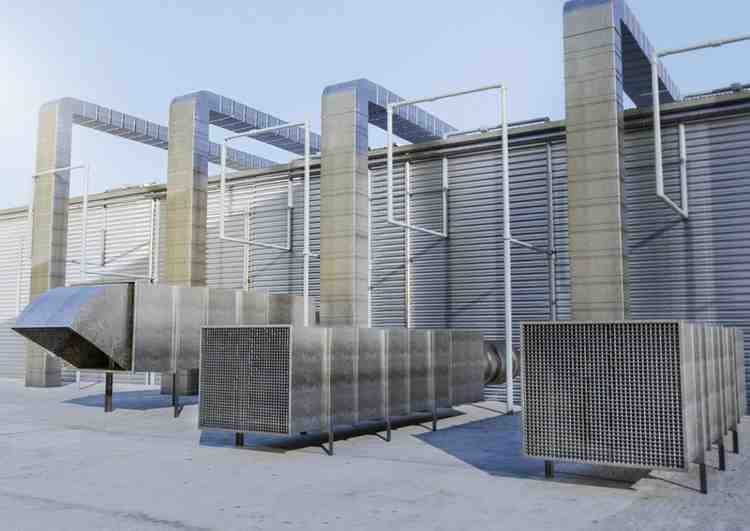
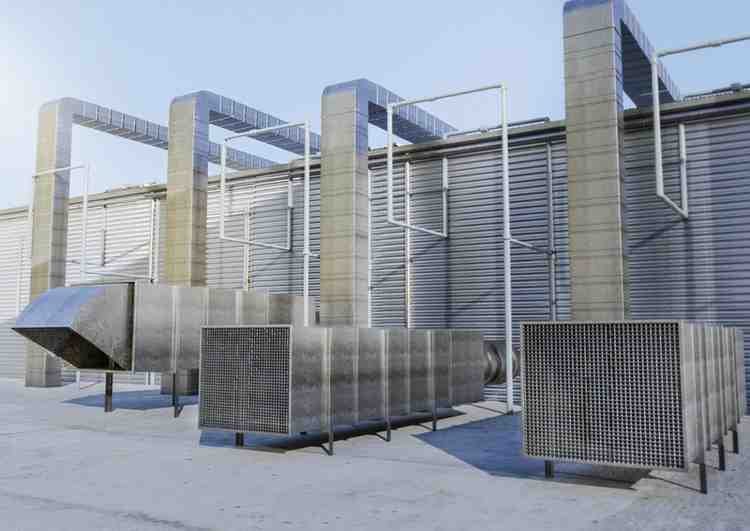
Modern ventilation systems in pre-engineered buildings are often integrated with heating, ventilation, and air conditioning (HVAC) units for optimal climate control. These systems can be customized based on the specific use of the building—whether it is a warehouse, manufacturing plant, office space, or retail store. PEB construction allows for easy installation of ducts, vents, and air purifiers without compromising structural integrity. Advanced filtration systems can be incorporated to remove particulate matter, allergens, and airborne pathogens, which are essential for maintaining clean indoor air.
Design Strategies That Improve Indoor Air Quality
Several design strategies are employed in PEB building ventilation design to enhance indoor air quality:
Cross Ventilation: Designing openings on opposite sides of the building allows fresh air to flow through and push out stale air.
Stack Ventilation: Utilizing vertical openings, warm air naturally rises and exits, drawing cooler air in from lower vents.
Air Exchange Rate Optimization: Controlling how frequently indoor air is replaced with fresh air helps maintain optimal air quality levels.
Mechanical Ventilation Enhancements: Incorporating energy recovery ventilators (ERVs) or heat recovery ventilators (HRVs) to efficiently exchange air while conserving energy.
Use of Smart Sensors: Monitoring indoor air quality in real time allows automatic adjustments to ventilation rates.
These strategies, combined with the inherent flexibility of PEB construction and ventilation, make it possible to design buildings that provide healthy and comfortable environments for occupants.
The Role of Kaizenprefab in Sustainable PEB Design
Kaizenprefab is a leading company specializing in sustainable PEB design and construction. They prioritize health, efficiency, and environmental sustainability in their projects. Kaizenprefab implements innovative ventilation solutions that are tailored to the building's specific function and location. By integrating natural ventilation techniques with advanced mechanical systems, Kaizenprefab ensures that each structure benefits from superior indoor air quality improvement. Their approach emphasizes reducing energy consumption while maximizing occupant comfort, setting a high standard for modern PEB projects.
Benefits of Improved Indoor Air Quality and Ventilation in PEBs
Investing in a PEB with a well-designed ventilation system brings numerous benefits:
Healthier Occupants: Better air quality reduces respiratory problems and enhances overall well-being.
Increased Productivity: Comfortable environments improve focus and efficiency in workplaces.
Energy Savings: Efficient ventilation reduces reliance on HVAC systems, lowering utility costs.
Durability: Proper moisture control through ventilation prevents mold growth and structural damage.
Environmental Impact: Sustainable PEB design contributes to reduced carbon footprints and greener construction.