Understanding PEB Construction
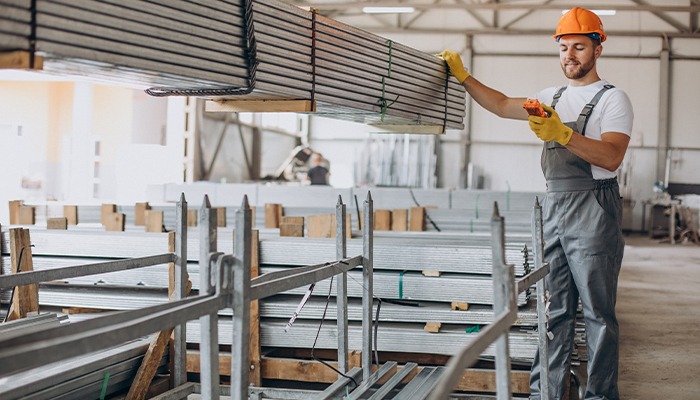
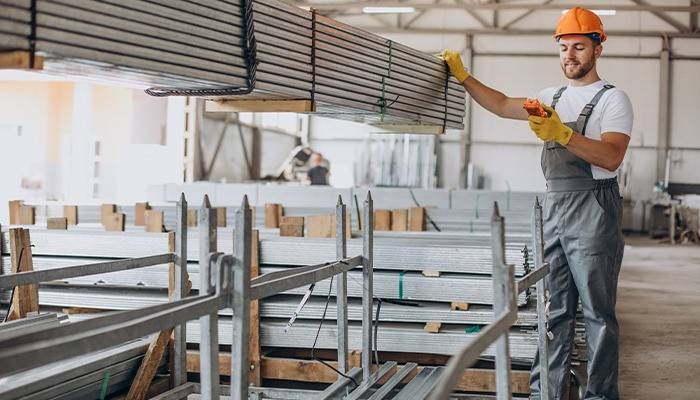
PEB, short for Pre-Engineered Buildings, involves manufacturing structural components in a factory and then assembling them on-site. Unlike conventional construction, which requires sourcing, cutting, and assembling materials entirely on location, pre-engineered buildings are pre-designed for precision. This ensures components fit perfectly, reducing errors and accelerating timelines.
PEB structures are built using high-quality steel, engineered for strength and durability. Every element is pre-calculated to meet structural requirements, making assembly straightforward while maintaining structural integrity.
How PEB Accelerates the Construction Process
One of the key benefits of PEB in construction is the significant acceleration of project timelines. Here’s how it works:
Off-Site Fabrication: While site preparation occurs, building components are fabricated in controlled factory conditions. This parallel workflow shortens the total construction period.
Modular Assembly: Components are delivered pre-labeled and ready to assemble. Modular factory construction allows rapid installation with minimal on-site adjustments.
Reduced Labor and Errors: Pre-engineered components require fewer skilled workers and minimize on-site mistakes. This contributes to quick factory construction and fewer delays.
Streamlined Project Management: Accurate pre-engineered designs make scheduling easier, avoiding bottlenecks and ensuring smoother construction progress.
Advantages of Factory Construction PEB
1. Speed and Efficiency
Factory construction PEB enables manufacturers to go from planning to operational production faster than conventional methods. Off-site fabrication and modular assembly reduce construction time by up to 50%, allowing manufacturers to start production sooner.
2. Cost-Effectiveness
Though initial investment in PEB structures may appear higher than traditional construction, overall costs are often lower due to reduced labor needs, minimized material waste, and faster project completion. Energy-efficient designs in pre-engineered factory design can further cut operational costs.
3. Flexible and Scalable Designs
Manufacturers need facilities that can adapt to evolving production requirements. PEB in construction allows flexible layouts, easy expansions, and integration of new machinery without major structural changes.
4. Quality and Durability
Because pre-engineered buildings are fabricated in controlled environments, quality is consistent and reliable. High-grade steel ensures PEB structures for factories can withstand harsh environmental conditions like wind, seismic activity, and heavy loads.
Industrial Building Solutions for Modern Manufacturers
PEB technology provides comprehensive industrial building solutions, including production halls, warehouses, and distribution centers. Engineers can design pre-engineered factory designs tailored to operational workflows, storage needs, and automation requirements. These solutions provide manufacturers with durable, cost-effective, and scalable infrastructure.
Modular Factory Construction
Modular factory construction is a hallmark of PEB technology. Prefabricated modules—walls, roofing, mezzanine floors, and pre-installed utilities—arrive ready for assembly. This method accelerates construction while allowing flexibility for future reconfigurations or expansions, making it ideal for dynamic manufacturing operations.
Future of Factory Construction with PEB Technology
The future of industrial construction is closely linked to PEB construction because of its efficiency, flexibility, and sustainability. Manufacturers increasingly demand faster, cost-effective, and adaptable facilities, and PEB structures meet these needs. Key trends shaping the future include:
Smart and Automated Factories: PEB facilities can integrate advanced automation systems, robotics, and IoT-enabled monitoring with minimal structural modifications.
Sustainable Construction: Using steel and modular components reduces material waste and energy consumption, making pre-engineered buildings environmentally friendly.
Rapid Expansion: Manufacturers can easily expand operations by adding new modules without disrupting existing production.
Global Adoption: As industries worldwide recognize the benefits of PEB structures for factories, pre-engineered buildings are becoming the standard for industrial construction, ensuring scalability and modernized production capabilities.