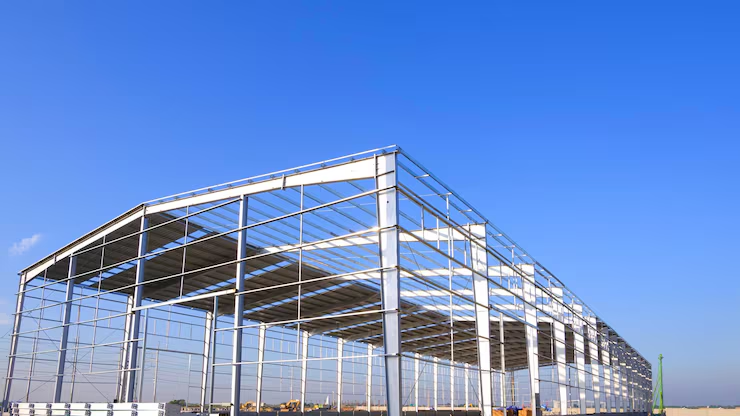
At Kaizen PreFab, known as one of the peb experts in india, engineers understand that a strong and well-planned foundation ensures the safety, stability, and longevity of any PEB structure.
Why Foundation Design Is Important for PEB Structures
The foundation acts as the base that supports the entire steel structure. Unlike traditional buildings, PEB structures transfer loads differently due to their steel framework and large spans. If the foundation is not designed correctly, it may lead to structural instability, settlement issues, or increased maintenance costs.
A properly designed PEB foundation ensures:
- Structural stability and safety
- Even distribution of building loads
- Resistance against soil movement
- Long-term durability of the building
Efficient performance during wind or seismic conditions
Key Factors Engineers Must Consider
When designing foundations for PEB structures, engineers must carefully analyze several technical factors.
1. Soil Investigation and Bearing Capacity
The first step in foundation design is understanding the soil condition at the construction site. Engineers conduct soil testing to determine the bearing capacity of the ground.
Important considerations include:
- Soil type (clay, sand, rock, etc.)
- Load-bearing capacity
- Groundwater levels
- Risk of soil settlement
This information helps determine the appropriate type and depth of foundation required.
2. Load Calculations
PEB structures must handle multiple types of loads. Engineers carefully calculate these loads to ensure the foundation can safely support the building.
Common loads include:
- Dead loads from steel structures
- Live loads from equipment or storage
- Wind loads
- Seismic loads
- Crane loads in industrial buildings
Accurate load analysis helps prevent structural stress and ensures the building remains safe under different conditions.
3. Anchor Bolt Design
Anchor bolts connect the steel columns of the PEB structure to the foundation. Their placement and strength are extremely important.
Engineers must ensure:
- Correct positioning of anchor bolts
- Adequate embedment depth
- Proper alignment with steel columns
- Resistance to uplift and lateral forces
Incorrect anchor bolt placement can lead to installation challenges and structural misalignment.
4. Foundation Type Selection
Depending on the project requirements and soil conditions, engineers may choose different types of foundations such as:
- Isolated footings
- Combined footings
- Raft foundations
- Pile foundations
Each foundation type serves specific structural needs and must be selected carefully to ensure stability and cost efficiency.
5. Drainage and Water Management
Water accumulation around foundations can weaken soil and reduce stability. Proper drainage systems are essential to protect the foundation.
Engineers typically include:
- Surface drainage systems
- Proper grading around the structure
- Waterproofing measures
These steps help maintain the long-term strength of the foundation.
The Role of Expert PEB Engineers
Designing foundations for PEB structures requires technical expertise, precision engineering, and deep understanding of structural loads. Working with experienced professionals ensures that all engineering and safety standards are properly followed.
Kaizen PreFab, recognized among the trusted peb experts in india, provides complete PEB solutions—from design and engineering to fabrication and installation. Their team ensures every project begins with a solid and reliable foundation.