What is PEB Steel?
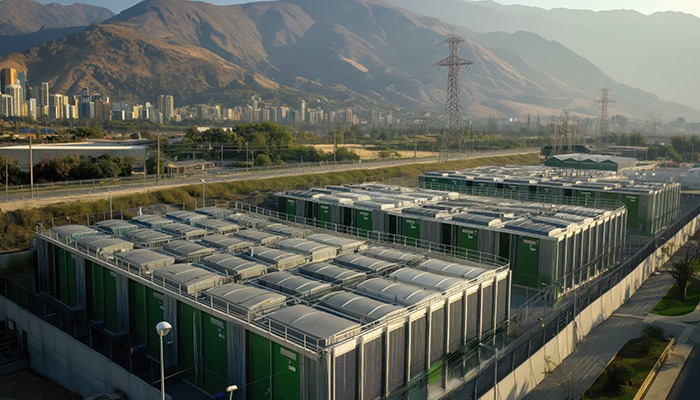
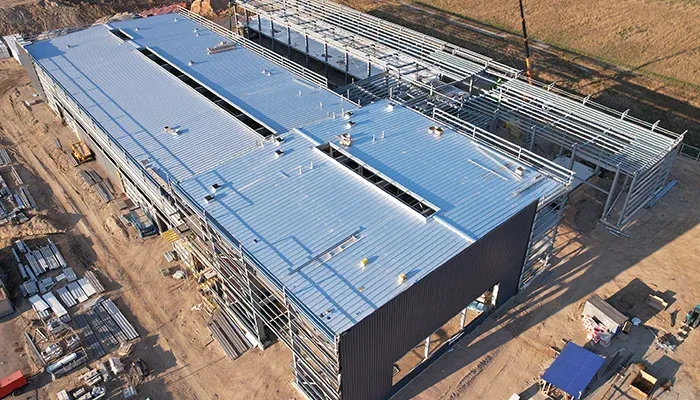
PEB Steel (Pre-Engineered Building Steel) is a construction method where building parts are designed, manufactured, and assembled in a controlled factory environment and then installed on-site. Instead of traditional construction where everything is built from scratch at the site, PEB steel components like beams, columns, roofs, and panels are pre-designed using advanced engineering software. These parts are then transported and quickly assembled at the project location.
Why PEB Steel is Important in 2026
The demand for sustainable and fast construction is increasing worldwide. PEB steel is important because it helps solve many challenges in the construction industry:
- Faster project completion
- Reduced construction cost
- Less material waste
- Strong and durable structures
- Environment-friendly building approach
Because of these benefits, PEB steel construction is widely used in warehouses, factories, and commercial buildings.
Sustainable Materials Used in PEB Steel Construction
Sustainability is one of the key strengths of PEB steel systems. In 2026, construction companies are focusing on eco-friendly materials that reduce environmental impact.
1. Recyclable Steel
Steel used in PEB buildings can be recycled multiple times without losing strength. This reduces waste and supports green building practices.
2. Insulated Roofing and Wall Panels
Modern PEB buildings use insulated panels that help maintain indoor temperature, reducing the need for heating and cooling systems.
3. Eco-Friendly Coatings
Protective coatings used on steel are designed to reduce harmful chemicals while improving durability and rust resistance.
4. Low-Waste Manufacturing
Since components are factory-made, material usage is optimized, and waste is significantly reduced compared to traditional construction.
Energy-Efficient Solutions in PEB Steel Buildings
Energy efficiency is a major focus in modern construction methods. PEB steel buildings are designed to reduce energy consumption and improve performance.
1. Natural Lighting Systems
Large windows and skylights are used to allow sunlight inside buildings, reducing the need for artificial lighting during the day.
2. Thermal Insulation Technology
Insulated panels help maintain comfortable indoor temperatures in all seasons, reducing electricity usage for cooling and heating.
3. Solar Energy Integration
Many PEB steel structures are designed to support solar panels, allowing buildings to generate clean and renewable energy.
4. Smart Ventilation Systems
Proper airflow design helps maintain fresh air circulation and reduces dependence on air conditioning systems.
Advantages of PEB Steel in Modern Construction
PEB steel offers several benefits that make it ideal for today’s construction needs:
1. Faster Construction Time
Since parts are pre-designed and manufactured, projects are completed much faster compared to traditional methods.
2. Cost-Effective Construction
Reduced labor costs, minimal waste, and faster completion make it a cost effective construction solution.
3. High Strength and Durability
PEB steel structures are strong enough to withstand extreme weather conditions and heavy loads.
4. Flexible Design
Buildings can be easily expanded or modified according to future requirements.
5. Eco-Friendly Approach
Use of recyclable materials and energy-efficient design supports green building solutions.
Applications of PEB Steel in 2026
PEB steel is widely used across various industries due to its versatility:
- Industrial warehouses
- Manufacturing plants
- Logistics and storage facilities
- Commercial complexes
- Airports and transport hubs
- Agricultural buildings
- Office spaces
Its adaptability makes it suitable for both small and large infrastructure projects.
Future of PEB Steel Construction
The future of PEB steel construction is very bright because new technologies are making buildings smarter, faster, and more sustainable. Below is a simple explanation of each future trend:
1. Smart AI-based building design
AI (Artificial Intelligence) will help engineers design buildings more accurately and quickly. It can analyze loads, materials, and safety factors in seconds. This reduces human error and improves building efficiency, making designs more optimized and cost-effective.
2. Automated manufacturing systems
In the future, factory production of PEB components will be highly automated using machines and robotics. This will speed up production and improve precision. It also reduces labor dependency and ensures consistent quality in every steel component.
3. Net-zero energy buildings
Net-zero energy buildings produce as much energy as they consume, mainly using solar and renewable energy sources. PEB steel structures will be designed to support energy-saving systems, making buildings more eco-friendly and sustainable.
4. Advanced prefab steel buildings
Prefab steel buildings will become more advanced with better materials and smart design integration. These buildings will be easier to assemble and more flexible in design. They will offer faster installation, lower cost, and improved durability for different industries.
5. Fully sustainable infrastructure development
Future infrastructure projects will focus on reducing pollution, waste, and energy use. PEB steel will play a key role in building green cities.This will help create long-lasting, environmentally friendly structures that support sustainable development goals.