1. Faster Construction Timelines
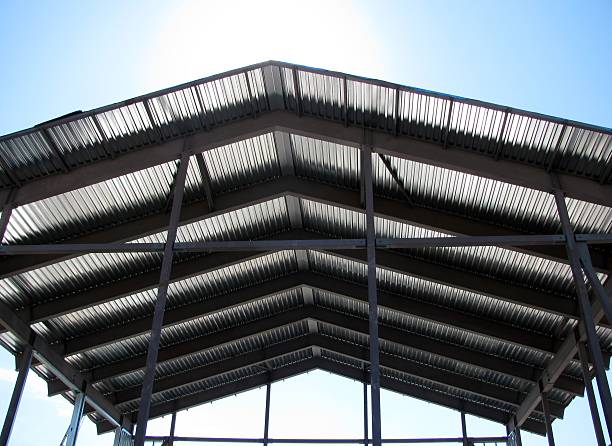
One of the biggest drawbacks of conventional buildings is the time they take to complete. From laying foundations to waiting for curing, the process can stretch into months or even years. PEB structures, on the other hand, are designed, fabricated, and pre-engineered offsite. Once delivered, the components are assembled at the project location within a fraction of the time required for traditional construction. This speed advantage is highly valued in industries where quick turnaround is critical.
2. Cost-Effectiveness
Traditional construction involves higher labor, material, and maintenance costs. PEBs reduce costs significantly because they use optimized steel sections and efficient manufacturing processes. Kaizen PreFab ensures that its designs minimize material wastage while maximizing structural integrity, offering clients a budget-friendly yet durable alternative. For businesses, this translates to lower capital expenditure without compromising on quality.
3. Strength and Durability
Conventional structures often face wear and tear over time, especially under extreme weather conditions. In contrast, PEBs are built using high-strength steel that ensures long-lasting performance and resistance to harsh climates, seismic activities, and corrosion. Whether it’s an industrial warehouse, factory, or commercial space, Kaizen PreFab delivers steel structures engineered for durability and reliability.
4. Versatility and Design Flexibility
Traditional construction methods often limit design creativity due to material restrictions. PEBs, however, offer greater flexibility in terms of architectural design and functionality. From large-span warehouses without internal columns to aesthetically appealing commercial buildings, PEBs provide endless design options. Kaizen PreFab customizes structures to meet specific client requirements, ensuring both functionality and visual appeal.
5. Eco-Friendly Construction
With growing awareness about sustainability, businesses are seeking eco-friendly construction methods. PEBs are more environmentally friendly as they generate less construction waste and use recyclable steel. Energy-efficient insulation options can also be integrated into PEBs, making them a preferred choice for companies aiming to reduce their carbon footprint.
6. Growing Adoption Across Sectors
Industries such as logistics, retail, aviation, agriculture, and cold storage are increasingly turning to PEBs for their infrastructure needs. This surge in adoption is a clear sign that India is embracing modern construction practices that align with global standards.