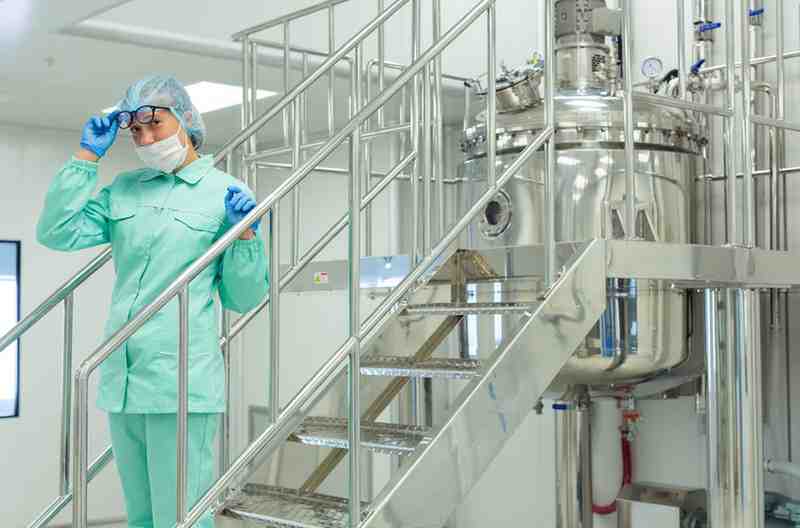
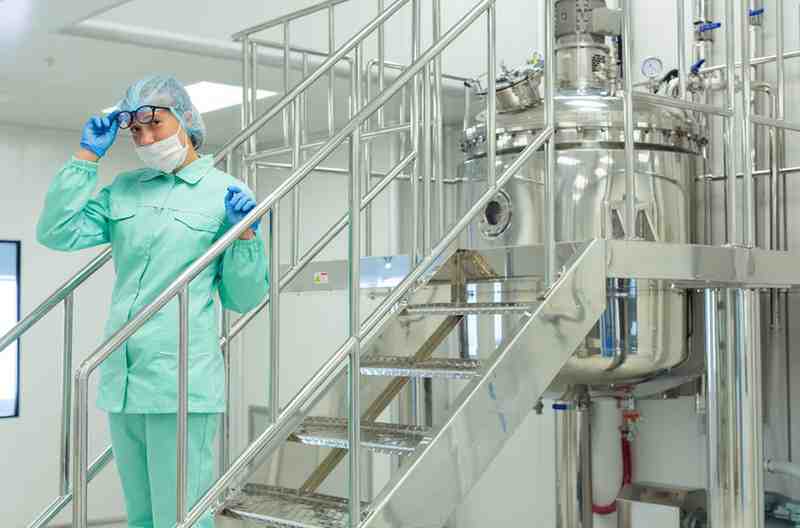
Why Is Contamination Control Crucial in Pharma Plants?
In pharmaceutical manufacturing, contamination can come from dust, microbes, chemicals, and even personnel. Contaminants may compromise product safety, efficacy, and regulatory compliance.
Effective pharma building contamination control is therefore necessary to:
- Prevent microbial growth
- Maintain sterile environments
- Protect workers and products
- Meet global standards such as GMP (Good Manufacturing Practices)
- Proper ventilation is one of the main pillars supporting these contamination control measures.
Role of Pharmaceutical Building Ventilation
Pharmaceutical building ventilation involves the design and implementation of air movement systems that control airflow, temperature, humidity, and particulate matter. The goal is to create clean air zones, remove contaminants, and prevent cross-contamination between areas.
Key benefits of pharmaceutical ventilation systems include:
- Removing airborne contaminants such as dust, spores, and chemical fumes
- Maintaining positive or negative air pressure zones to control airflow direction
- Regulating temperature and humidity to reduce microbial growth
- Filtering and purifying air through HEPA filters and other advanced technologies
Without effective ventilation, contamination risks rise significantly, which can lead to product recalls or regulatory penalties.
Ventilation Systems for Pharmaceutical Buildings: Components and Function
A well-designed ventilation system for pharmaceutical buildings usually includes:
Air Handling Units (AHUs): These units condition and circulate clean air inside the building.
HEPA Filters: High-Efficiency Particulate Air (HEPA) filters remove microscopic particles and microbes from the air.
Ductwork: Properly sealed and designed ducts transport filtered air while minimizing contamination risks.
Pressure Control: Maintaining different pressure levels in rooms ensures contaminants do not spread from dirty to clean zones.
Air Change Rates: Frequent air exchanges reduce the accumulation of particles and keep air fresh.
By integrating these components, pharmaceutical PEB buildings achieve the strict air quality necessary for production.
Pharmaceutical Cleanroom Ventilation and Its Importance
Cleanrooms are critical in pharmaceutical manufacturing. These highly controlled environments require specific air purity levels.
- Pharmaceutical cleanroom ventilation systems are designed to provide:
- Ultra-clean air with very low particulate count
- Constant air pressure differentials
- Controlled temperature and humidity
- Minimal turbulence to avoid disturbing sterile environments
Cleanroom ventilation is a specialized branch of pharma building contamination control, and it requires close collaboration between architects, engineers, and pharma experts during PEB construction.
How Ventilation Enhances Contamination Control in Pharma Plants
Here’s how ventilation directly supports contamination control:
Dilution and Removal of Contaminants: Continuous airflow dilutes airborne contaminants and removes them through filters.
Controlled Airflow Direction: Maintaining positive pressure in clean zones prevents contaminants from entering.
Humidity and Temperature Control: Proper ventilation keeps conditions unfavorable for microbial growth.
Compliance with Standards: Ventilation systems ensure the building meets local and international pharma regulatory requirements.
Improved Worker Safety: Clean air reduces health risks for employees working in sensitive environments.
Challenges and Solutions in Ventilation for Pharmaceutical PEB Buildings
Designing ventilation for pharmaceutical PEB buildings can face challenges such as:
- Integration with modular structures
- Managing airflow in complex layouts
- Maintaining system reliability and easy maintenance
Solutions include:
- Using flexible duct systems designed for PEB integration
- Employing advanced sensors and controls for real-time monitoring
- Planning ventilation layouts in early design stages
These solutions help maintain high air quality without compromising the benefits of pre-engineered buildings.