Why They're Dominating U.S. Industrial Construction
Let’s take a closer look at the major factors fueling the widespread adoption of crane buildings in the USA.
1. Speed of Construction: Time is money in industrial operations. Pre-engineered metal buildings are fabricated offsite in controlled environments, reducing weather-related delays and on-site labor needs. This enables project timelines to be shortened significantly—sometimes by up to 50% compared to conventional methods. For industries with tight operational schedules or seasonal dependencies, this speed is invaluable.
2. Cost-Effectiveness: Thanks to standardized design and production, metal building construction companies can offer highly competitive pricing. With less on-site labor and minimal waste, costs remain under control from start to finish. Additionally, the low maintenance needs of steel structures reduce long-term ownership costs.
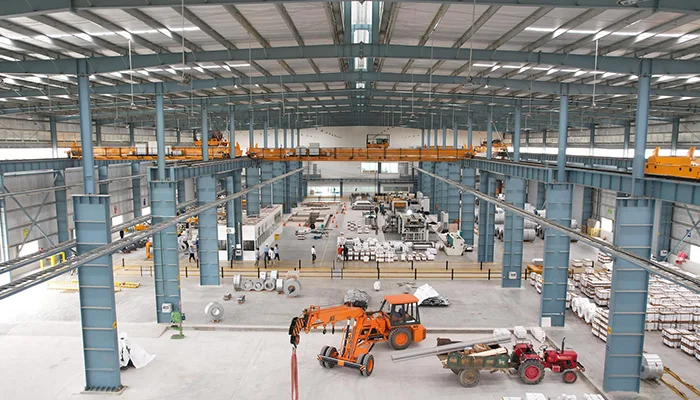
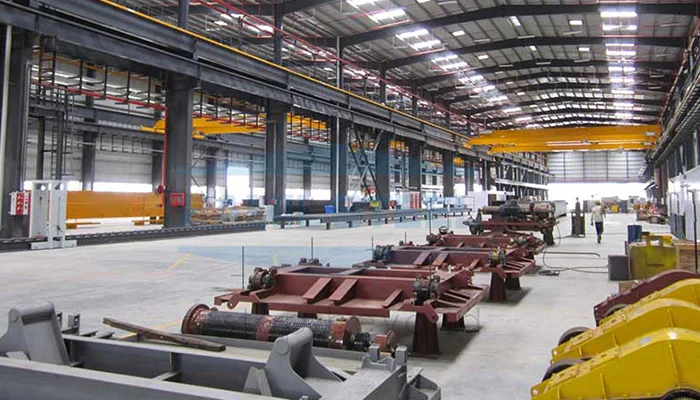
3. Customizability and Flexibility: Contrary to common belief, pre-engineered building systems are not limited in design. They can be tailored to meet a wide variety of industrial needs—whether you're housing a 5-ton gantry crane or a complex multi-bay overhead crane system. Adjustments can be made in clear span width, column placement, ceiling height, and loading conditions to suit unique project demands.
4. Durability and Structural Strength: U.S. industries dealing with heavy machinery, equipment loading, or material handling need structures that withstand stress, vibration, and heavy lifting. Pre-engineered industrial buildings offer long-lasting durability and can be engineered to accommodate seismic zones, high winds, and snow loads. When paired with crane systems, the entire building works in unison to maintain stability and ensure safety.
5. Energy Efficiency and Sustainability: Steel is one of the most recyclable materials available today. As sustainability becomes a growing concern, companies are looking for building options that lower environmental impact. Steel building manufacturers in the USA now offer energy-efficient insulation, ventilation systems, and reflective roofing options, making pre-engineered crane buildings a responsible choice for modern industries.
Applications Across U.S. Industries
Several sectors are embracing crane building construction due to their strength and utility:
Automotive & Aerospace Manufacturing: Support for robotic assembly lines and multi-crane systems.
Steel Fabrication: Heavy-duty lifting in welding and assembly workshops.
Logistics and Distribution Centers: Efficient material movement through cranes and gantries.
Energy Sector: Support for turbine manufacturing, oil & gas equipment handling, and transformer production.
From the East Coast to the Midwest and the Southern manufacturing belt, industrial construction in the USA is shifting in favor of these high-performance steel structures.
The Future Outlook: More Steel, Smarter Systems
Looking ahead, the future of industrial construction in the USA seems firmly tied to steel and smart construction practices. With advances in Building Information Modeling (BIM), real-time monitoring, and AI-based design optimizations, the next generation of pre-engineered metal buildings will be faster, safer, and more efficient than ever.
The integration of automated crane systems, AI-based load balancing, and predictive maintenance is also expected to grow, making these structures not just strong but intelligent.