Efficient Use of Materials
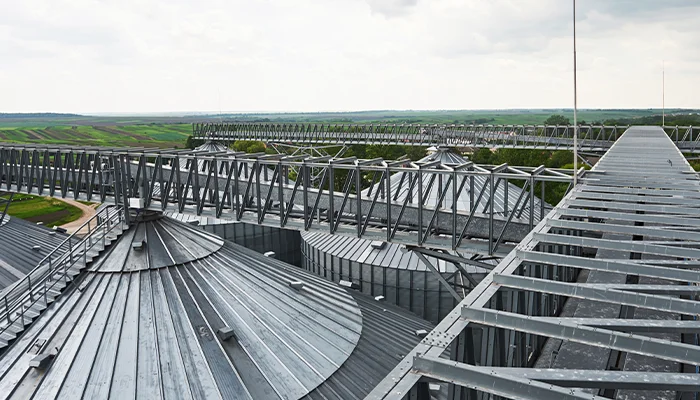
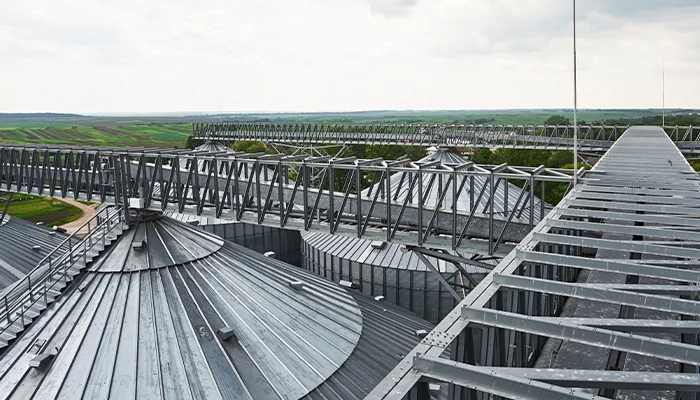
One of the key reasons PEMBs support low carbon construction methods is their efficient use of resources. Traditional construction methods often involve on-site fabrication, which generates considerable waste. In contrast, pre-engineered metal buildings are manufactured off-site with precise measurements, minimizing scrap and excess material. The steel used in PEMBs is often recycled and recyclable, aligning perfectly with the goals of green building materials.
Reduced Construction Time
Speed of construction plays a vital role in reducing environmental impact. PEMBs can be assembled in a fraction of the time compared to conventional buildings, which means lower energy consumption from construction machinery and less disturbance to the surrounding environment. This shorter timeline results in fewer emissions, supporting eco-friendly building solutions from day one.
Energy-Efficient Design
Modern energy-efficient metal buildings are designed with insulation systems that regulate indoor temperatures naturally. Reflective roof coatings, insulated panels, and ventilation enhancements reduce the need for heating and cooling systems, thereby cutting down on energy use and emissions. Such energy savings contribute directly to metal building sustainability.
Transportation and Logistics Benefits
Because PEMBs are manufactured in a factory and delivered in parts for assembly, there is a reduced need for continuous transport of materials to the site. Fewer trips by heavy-duty vehicles mean lower emissions and better fuel efficiency, aligning with the goals of sustainable industrial construction.
Longevity and Maintenance
Steel buildings are known for their durability. They resist pests, mold, and weather-related damage better than traditional materials, leading to lower maintenance needs and longer life spans. This translates to fewer renovations, less material usage over time, and continued carbon footprint reduction across the building’s life cycle.
Recyclability and End-of-Life Benefits
Unlike materials such as concrete and wood, steel used in PEMBs can be easily recycled without degradation. At the end of a building’s life, its components can be dismantled and reused, making metal building sustainability a long-term benefit rather than a short-term gain.