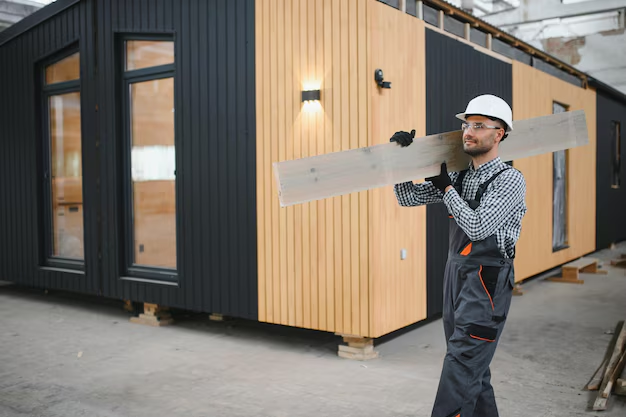
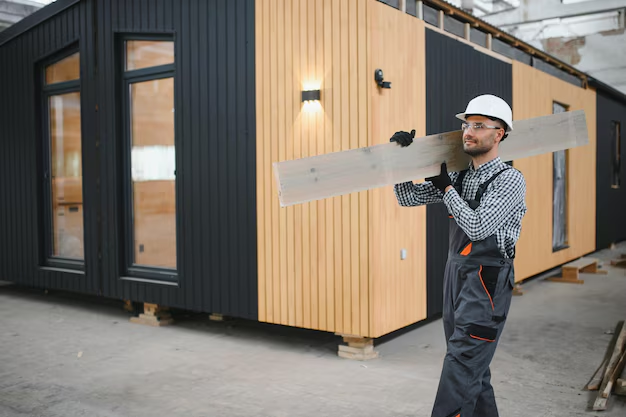
The Shift Toward Prefabricated Construction
Urban centers across India are growing rapidly, creating immense pressure on construction timelines and budgets. Prefabricated shelters—constructed off-site in controlled environments and assembled on-site—are helping meet these challenges. Unlike conventional methods, prefabrication allows for simultaneous site preparation and component manufacturing, significantly reducing project timelines.
In addition, prefabricated shelters are not limited to temporary solutions. Modern technology and advanced materials make them suitable for permanent structures such as offices, schools, healthcare facilities, and disaster relief housing. The adaptability of these shelters makes them an ideal choice for the dynamic needs of urban infrastructure.
Benefits Driving the Demand
1. Speed and Efficiency
Prefabrication reduces construction time by up to 50%. Since components are pre-manufactured, on-site assembly becomes faster and more organized. This rapid deployment is especially valuable in urban projects where delays can lead to significant financial losses.
2. Cost-Effectiveness
Prefabricated shelters require fewer raw materials and less labor compared to traditional buildings. Controlled production minimizes material wastage, while modular assembly reduces transportation and logistical costs—making them a budget-friendly option for developers.
3. Eco-Friendly and Sustainable
With growing environmental concerns, prefabricated shelters provide a green alternative to conventional construction. The controlled factory environment allows for efficient use of resources, reduced carbon emissions, and easier recycling of materials. Many of Kaizen PreFab’s solutions also incorporate energy-efficient insulation and renewable materials, contributing to a more sustainable urban ecosystem.
4. Strength and Durability
Contrary to outdated perceptions, modern prefabricated shelters are engineered for strength and longevity. They can withstand extreme weather conditions and offer excellent insulation, making them ideal for both residential and commercial applications.
5. Design Flexibility
Today’s prefabricated structures are not limited in design or aesthetics. Architects and engineers can create highly customizable layouts that suit urban planning requirements without compromising on style or comfort.
Prefabricated Shelters and Urban Infrastructure Development
Cities like Delhi, Mumbai, and Bangalore are increasingly integrating prefabricated shelters into their infrastructure plans. From metro stations and site offices to schools and healthcare centers, prefabricated solutions are enabling urban growth without the delays and disruptions of traditional construction.
Kaizen PreFab has played a key role in this transformation, offering innovative prefabricated solutions that align with modern urban demands. With expertise in design, engineering, and execution, the company continues to deliver high-performance shelters for a variety of sectors.