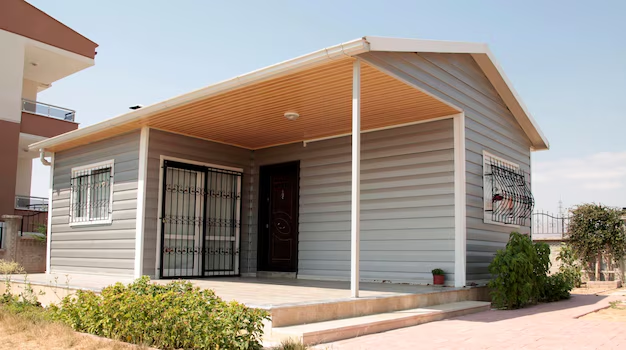
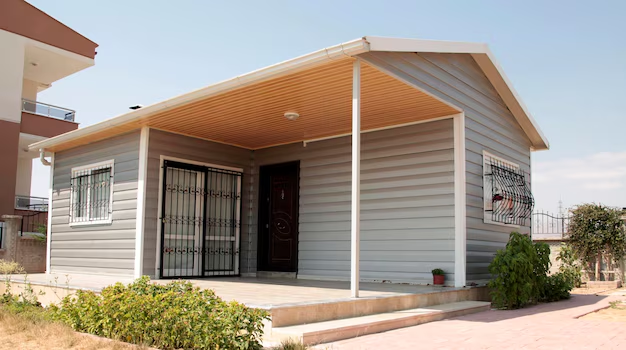
Key Advantages of Choosing Prefabricated Labour Hutments
1. Quick Installation and Minimal Site Disruption
One of the most significant advantages of prefabricated labour hutments is their rapid installation. Unlike traditional buildings that require months of on-site work, prefabricated site accommodation units are manufactured in a factory and simply assembled on-site. This drastically reduces construction time, labour costs, and overall disruption to the project site. Companies working on tight deadlines benefit greatly from the speed of deployment.
2. Cost-Effective and Scalable
Budget constraints are a common concern in large-scale projects. Prefab labour accommodation offers a cost-effective solution by cutting down on material waste and reducing the need for skilled on-site labour. Additionally, these hutments are scalable—companies can increase or decrease the number of units based on project size or workforce requirements. This flexibility makes modular housing an ideal choice for fluctuating workforce needs.
3. Durable and Weather-Resistant Structures
Despite their fast installation, prefabricated hutments are built with high-quality materials that ensure durability and safety. Modular labour housing is engineered to withstand harsh weather conditions and maintain structural integrity over long periods. This makes them suitable for remote locations and challenging terrains where traditional construction might not be viable or safe.
4. Improved Living Standards for Workers
Worker well-being is essential for productivity and morale. Prefabricated labour hutments are designed with ventilation, insulation, sanitation, and lighting in mind. These structures provide better living conditions compared to conventional temporary shelters. Many units can be customized to include separate sleeping areas, kitchens, restrooms, and recreational spaces, ensuring that the workforce feels valued and comfortable.
5. Sustainable and Eco-Friendly Construction
Environmental impact is a growing concern in every industry. Prefabrication supports sustainability through reduced material wastage, energy-efficient production processes, and limited on-site pollution. Reusability is another major advantage—hutments can be dismantled, transported, and reused at different project locations. This sustainable approach aligns with modern green building practices, helping companies meet their environmental goals.