What is PEB Manufacturing?
Pre-Engineered Buildings (PEB) are steel structures designed and fabricated in factories before being assembled on-site. These buildings are widely used in warehouses, industrial units, and commercial spaces due to their cost-effectiveness and faster construction timelines.
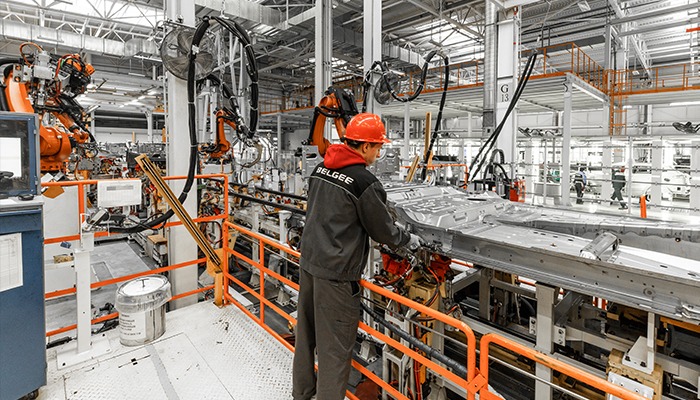
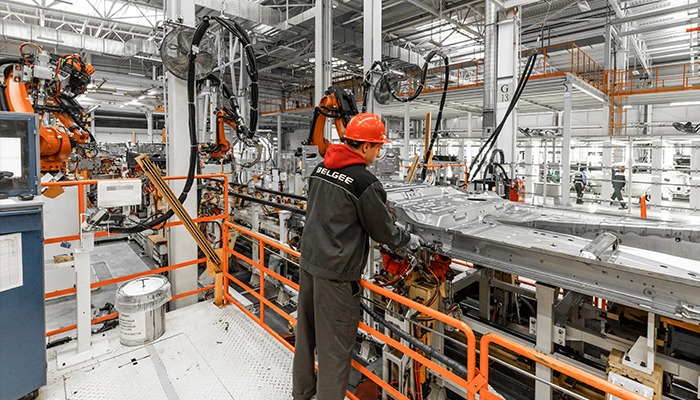
Automation in PEB manufacturing refers to the use of advanced machinery, robotics, and software systems to streamline the design, fabrication, and assembly processes.
Role of Automation in PEB Manufacturing
Automation has revolutionized the entire lifecycle of PEB construction. From design to delivery, it ensures accuracy, reduces manual errors, and speeds up project completion.
1. Precision in Design and Engineering
Modern software tools like CAD (Computer-Aided Design) and BIM (Building Information Modeling) enable engineers to create accurate designs. Automation ensures every component is precisely measured, reducing the chances of errors during fabrication.
2. Faster Fabrication Process
Automated machines such as CNC cutting systems and robotic welders speed up the production of steel components. This reduces manufacturing time significantly and ensures consistent quality.
3. Improved Quality Control
Automation helps maintain uniform quality across all components. Sensors and monitoring systems ensure that every part meets the required standards, enhancing the durability and strength of the structure.
4. Reduced Material Wastage
With precise measurements and automated cutting processes, material wastage is minimized. This not only reduces costs but also supports sustainable construction practices.
5. Enhanced Safety
Automation reduces the need for manual labor in risky tasks like welding and heavy lifting. This leads to safer working conditions in manufacturing units.
Benefits of Automation in PEB Manufacturing
The Role of Automation in PEB Manufacturing goes beyond efficiency—it brings multiple benefits to businesses and clients alike:
- Faster Project Completion: Automated processes reduce production time, ensuring quicker delivery.
- Cost Efficiency: Less wastage and optimized processes lower overall costs.
- High Accuracy: Precision engineering leads to better fitting components and easy assembly.
- Scalability: Automation allows manufacturers to handle large-scale projects with ease.
- Consistency: Uniform quality across all projects builds trust and reliability.
How Kaizen PreFab Uses Automation
As a leading Peb supplier in delhi, Kaizen PreFab integrates advanced automation technologies into its manufacturing processes. The company focuses on delivering high-performance structures with speed and precision.
Key Highlights:
- Use of advanced design software for accurate planning
- Automated fabrication units for faster production
- Strict quality control systems
- Efficient project execution with minimal delays
By combining innovation with expertise, Kaizen PreFab ensures that every project meets industry standards and client expectations.
Automation and Sustainable Construction
Automation also contributes to environmentally friendly construction. Reduced material wastage, energy-efficient processes, and optimized resource utilization make PEB manufacturing more sustainable.
This aligns with the growing demand for green building solutions in modern construction.
Future of Automation in PEB
The future of PEB manufacturing will see even more advanced technologies, such as:
- Artificial Intelligence for smarter design decisions
- Robotics for fully automated production lines
- IoT-enabled monitoring systems for real-time tracking
These innovations will further enhance the efficiency and reliability of PEB construction.