What Are Earthquake-Resistant Buildings?
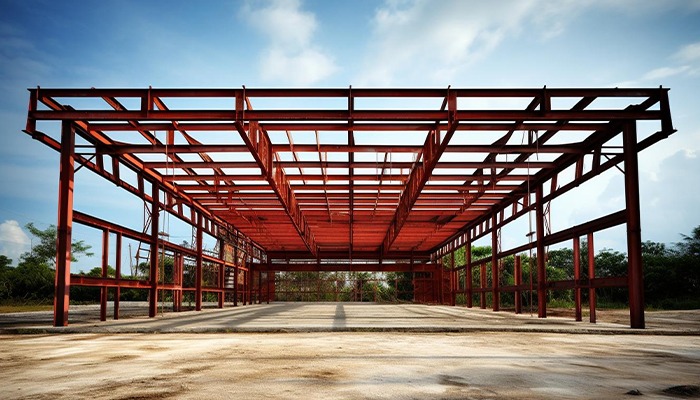
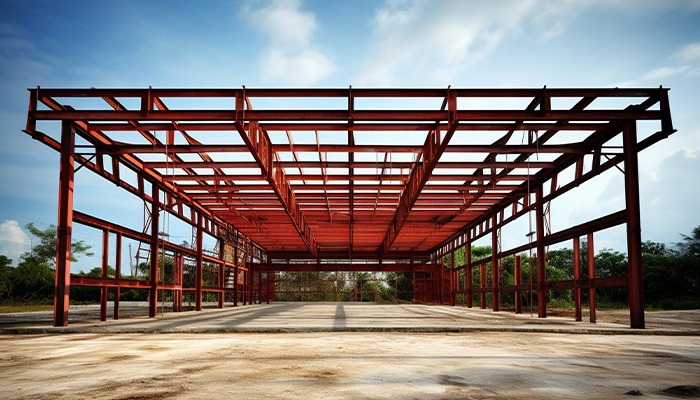
Earthquake-resistant buildings are structures designed and constructed to withstand the forces generated during an earthquake. These buildings have specific design features and materials that allow them to absorb and dissipate seismic energy, reducing damage and preventing collapse. The goal is to protect human lives, minimize structural damage, and enable quick recovery after an earthquake.
Importance of Seismic-Resistant Construction for Industrial Buildings
Industrial buildings often house heavy machinery, valuable inventory, and critical operations. Damage due to seismic activity can lead to significant financial loss, operational downtime, and safety hazards. Implementing seismic resistant building techniques is therefore essential for:
- Protecting workers and visitors from harm
- Ensuring structural integrity during earthquakes
- Avoiding costly repairs and downtime
- Complying with safety regulations and building codes
Why Choose Seismic-Resistant PEB Structures India?
1. Enhanced Safety in Earthquake Zones
PEB structures for earthquake zones are specifically designed with seismic safety in mind. The steel framework used in seismic PEB buildings India provides excellent flexibility and strength, allowing the structure to absorb seismic shocks without significant damage. This flexibility is critical during earthquakes to prevent brittle failure.
2. Superior Seismic Design in PEB Structures
Pre-engineered buildings seismic resistance comes from careful design that follows seismic codes and standards. Engineers use advanced modeling to calculate forces and design connections that can withstand seismic loads. The lightweight nature of steel also reduces the seismic forces acting on the building compared to heavier construction materials.
3. Faster and Safer Construction
Compared to traditional construction, seismic resistant construction using PEB methods allows faster completion of industrial buildings. Components are fabricated off-site under controlled conditions, ensuring high quality and precision. On-site assembly is quicker and safer, reducing the risks associated with complex construction in seismic zones.
4. Cost-Effective Long-Term Solution
While seismic-resistant design may add some initial cost, seismic-resistant PEB structures India provide cost savings in the long run by minimizing earthquake damage and maintenance. The durable steel framework lasts longer and requires less repair after seismic events, protecting the investment.
5. Adaptability and Customization
Industrial needs vary widely, and industrial PEB buildings India can be customized for specific operations while maintaining seismic resistance. Whether it’s a manufacturing plant, warehouse, or processing unit, PEB designs can be tailored to local seismic conditions and operational requirements.
Key Features of Seismic-Resistant PEB Structures
Flexible Steel Frames: Allow movement during seismic events, reducing stress.
Strong Connections: Bolted or welded joints designed for seismic loads.
Lightweight Materials: Reduce overall seismic forces on the building.
Bracing Systems: Provide extra lateral support to resist earthquake forces.
Quality Control: Factory fabrication ensures consistent material strength.
These features work together to create resilient structures that meet or exceed seismic safety standards.
Comparing Seismic PEB Buildings to Traditional Construction
Traditional masonry or concrete buildings are heavier and more brittle, which can increase the risk of damage during earthquakes. On the other hand, pre-engineered buildings seismic resistance offers:
- Better energy absorption and flexibility
- Faster construction and installation
- Easier repair and modification
- Reduced construction waste and environmental impact
These advantages make seismic PEB buildings India a safer and more efficient choice for industrial facilities in seismic zones.
What to Consider When Choosing Seismic-Resistant PEB Structures
Local Seismic Codes: Ensure the design complies with India’s seismic building regulations.
Soil and Site Conditions: Tailor the foundation and design to specific site characteristics.
Building Use and Load: Consider the type of industrial operation and machinery load.
Quality of PEB Supplier: Choose experienced and reputable suppliers familiar with seismic design.