Understanding Tensile Canopy Structures
A tensile canopy is a flexible architectural structure made from durable fabric materials that are stretched over a supporting framework. These structures are designed to withstand environmental conditions while providing shade and protection.
Tensile canopies are commonly used in PEB construction projects because they are lightweight and easy to install. They can be integrated with steel frameworks used in pre-engineered buildings, making them a practical solution for industrial and commercial spaces.
Importance of Tensile Canopies in PEB Structures
In modern PEB buildings, tensile canopies serve multiple purposes. They protect entrances, parking areas, loading bays, and outdoor spaces from sunlight and rain. Because PEB structures focus on efficiency and durability, tensile canopies complement them by offering a flexible roofing solution. Another advantage is design versatility. Tensile canopies can be customized to match the architectural design of warehouses, factories, shopping complexes, and commercial facilities built using PEB systems.
Key Factors to Consider When Selecting a Tensile Canopy
Selecting the right tensile canopy involves evaluating several important factors.
Material Quality
The material used in a tensile canopy plays a major role in its durability. High-quality fabrics such as PVC-coated polyester and PTFE-coated fiberglass are commonly used because they offer strong resistance to weather conditions, UV rays, and wear.
For PEB structures, durable materials ensure that the canopy performs well even in harsh environments.
Structural Strength
The supporting framework must be strong enough to handle wind loads, rainwater, and other environmental forces. Steel frameworks are often used with tensile structures because they provide stability and long-term strength.
In PEB construction, steel frameworks are already part of the building structure, making it easier to integrate tensile canopies effectively.
Weather Resistance
A good tensile canopy should be able to withstand different weather conditions such as heavy rain, strong sunlight, and wind. Weather-resistant materials help maintain the canopy’s appearance and functionality over time.
This is particularly important for industrial and commercial PEB buildings where outdoor areas are frequently used.
Design and Aesthetic Appeal
One of the major benefits of tensile canopies is their modern and attractive design. Businesses often use these structures to improve the visual appeal of their buildings.
Tensile structures can be designed in different shapes and styles, allowing architects to create visually appealing spaces that match the design of the PEB building.
Maintenance Requirements
Maintenance is another important factor to consider. A well-designed tensile canopy should require minimal maintenance while offering long-lasting performance.
Choosing high-quality materials and professional installation can reduce maintenance costs and extend the lifespan of the structure.
Applications of Tensile Canopies in PEB Projects
Tensile canopies are widely used in various PEB construction projects. Some common applications include parking areas, entrance covers, outdoor waiting areas, and walkway shelters. Industrial facilities also use them to protect loading and unloading zones.
These structures provide functional benefits while improving the overall efficiency of the building space.
Installation and Professional Expertise
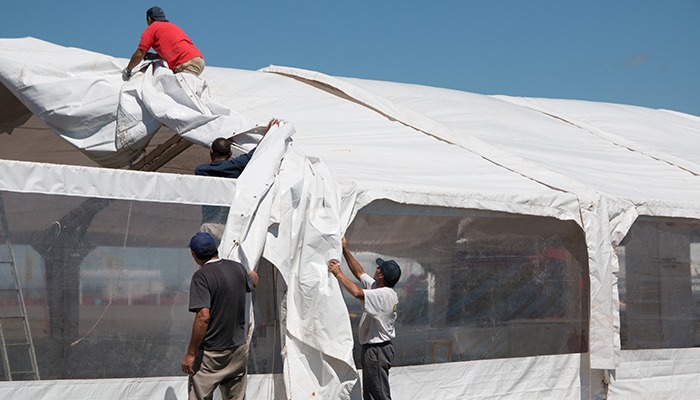
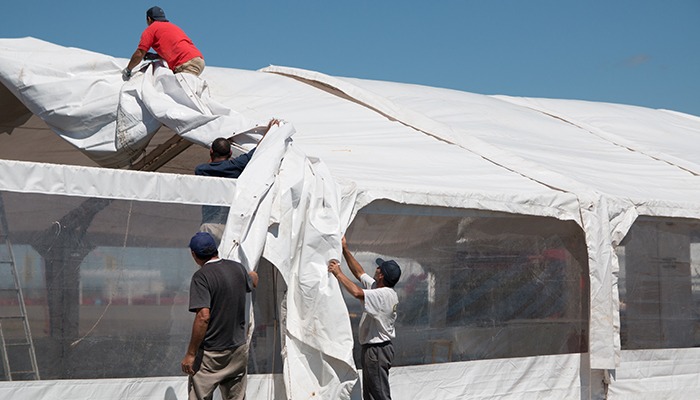
Proper installation is essential for ensuring the durability and performance of a tensile canopy. Experienced engineers and construction experts carefully design the structure to handle environmental loads and ensure stability. Professional installation also ensures that the canopy integrates properly with the PEB structure, maintaining both safety and visual appeal.