What is PEB Airport Construction?
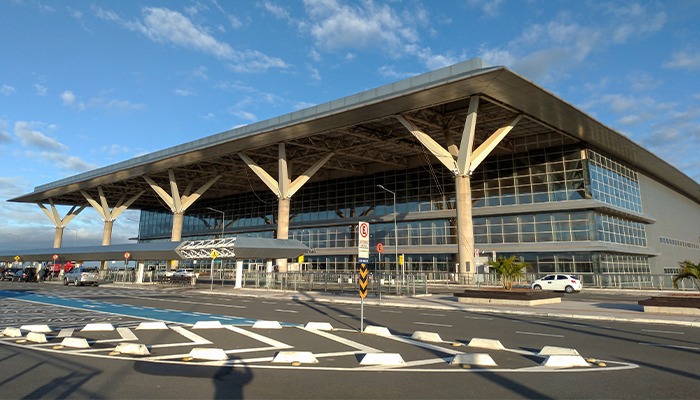
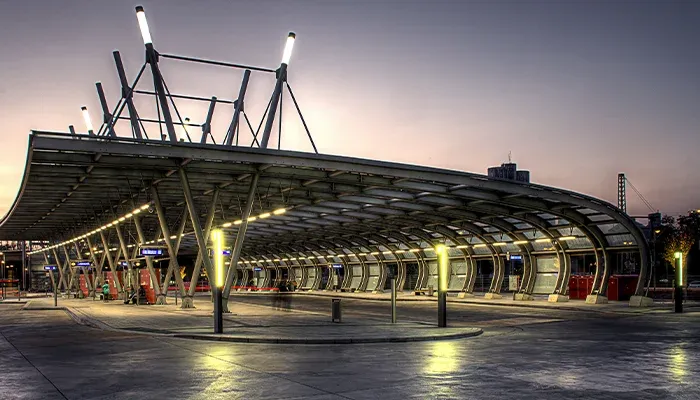
PEB airport construction refers to the use of pre-engineered steel buildings for airport infrastructure projects. These structures are manufactured in factories and assembled at the construction site.
A pre engineered building airport project can include:
- Airport terminals
- Cargo warehouses
- Aircraft hangars
- Maintenance facilities
- Parking structures
- Administrative buildings
PEB solutions are becoming highly popular because they reduce construction time and overall project costs.
Why Airports Are Choosing PEB Construction
1. Speed of Construction
One of the biggest advantages of PEB structures for airports is how fast they go up. Traditional construction can take years. A PEB system can reduce that time by 30–50%. For airports that need to expand without disrupting daily operations, this speed is invaluable.
2. Large Column-Free Spans
Airport terminals need wide, open spaces for check-in counters, security lanes, waiting lounges, and retail areas. Airport PEB buildings can achieve massive column-free spans sometimes over 100 meters without compromising structural strength. This makes the interior layout highly flexible.
3. Cost Efficiency
Airport infrastructure construction is expensive. PEB systems reduce material waste, labor costs, and construction time — all of which bring down the overall project cost significantly. The precision of factory fabrication also means fewer errors and rework on-site.
4. Sustainability
Modern smart airport construction demands green building practices. PEB structures use recyclable steel, generate less construction waste, and can be designed to support solar panels, energy-efficient insulation, and rainwater harvesting systems. This helps airports meet sustainability goals and green building certifications.
5. Scalability and Future-Proofing
Airports grow. A terminal built today may need to double in size in 10 years. Airport terminal infrastructure built with PEB systems can be easily extended or modified — without major demolition or reconstruction.
Smart Airport Construction: What's New in 2026?
Airport construction trends 2026 show a clear shift toward intelligent, passenger-focused design. Here's what's happening:
Integration of Smart Technology
Modern airport terminal construction is no longer just about walls and roofs. Today's terminals integrate smart lighting, automated check-in systems, IoT-enabled security, real-time passenger flow management, and AI-powered retail spaces — all housed within flexible PEB frameworks that can accommodate evolving tech infrastructure.
Biophilic and Passenger-Centric Design
Modern airport terminal design is embracing natural light, green walls, open atriums, and calming aesthetics. PEB structures support large glazed facades and skylights that flood terminals with daylight, improving the passenger experience while reducing electricity use.
Modular Expansion
Many airports in India, Southeast Asia, and the Middle East are using modular airport PEB building approaches to expand capacity in phases — adding new concourses or terminals without halting existing operations.
Disaster-Resilient Construction
With climate change increasing extreme weather events, steel structures for airports are being engineered for higher wind loads, seismic resistance, and flood resilience making them a safer long-term investment for airport infrastructure construction.
PEB Structures and India's Airport Boom
India is building and upgrading dozens of airports as part of its national aviation expansion plan. From Tier-1 metro airports to regional and greenfield projects, PEB airport construction is being adopted widely due to its speed and value. The demand for quality airport terminal infrastructure has never been higher.