Know the Types of Roofing Materials
The first step in selecting the right roofing is understanding the types of roofing materials available. Each material comes with its own benefits, drawbacks, and suitability for different structures.
- Asphalt Shingles: These are common in residential buildings. They are budget-friendly and easy to install.
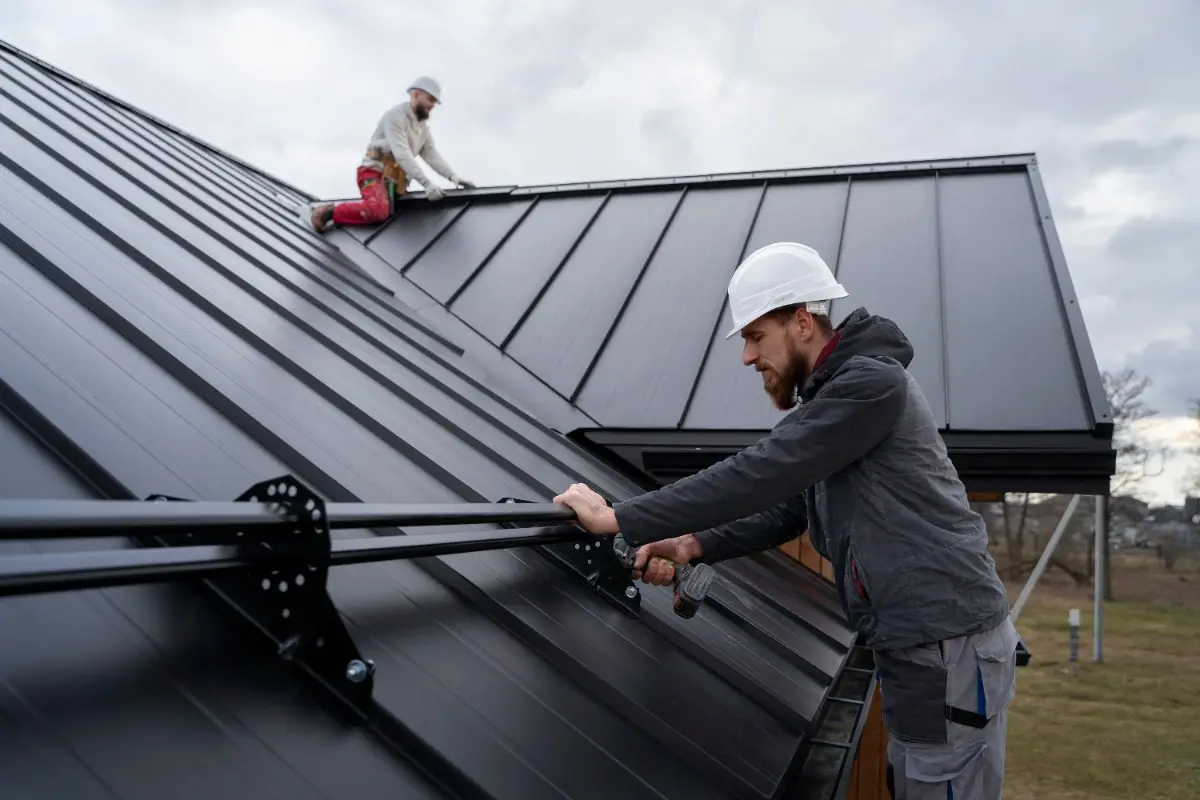
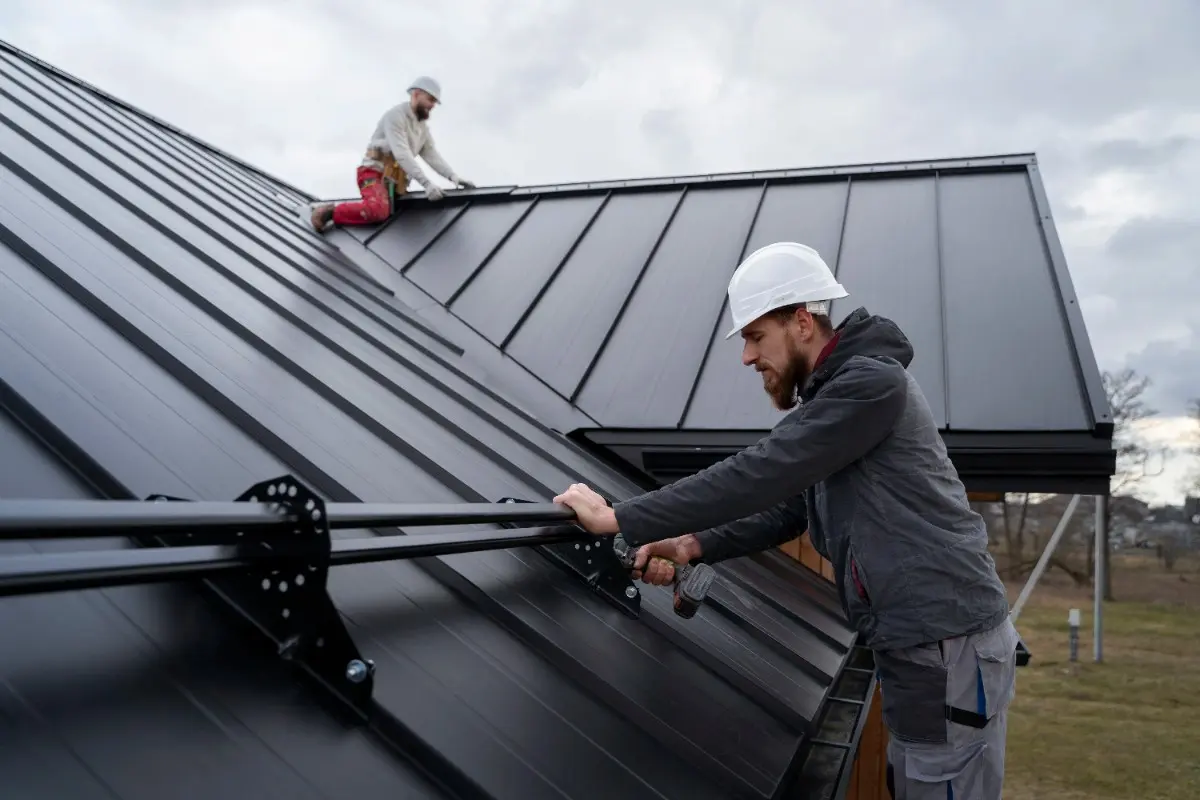
- Metal Roofing: Ideal for both residential and industrial buildings, metal roofs are known for their durability and low maintenance.
- Clay and Concrete Tiles: These are heavy but long-lasting. They add a distinctive style and are great for hot climates.
- Slate Roofing: Slate is one of the best rated roofing materials due to its elegance and lifespan.
- Wood Shingles and Shakes: These provide a natural look but need regular maintenance.
- Synthetic Roofing: Considered one of the best new roofing materials, these mimic the appearance of traditional roofs while offering superior performance.
Choosing from these roofing material options depends on your specific needs, design preferences, and budget.
Match the Material to Your Climate
Climate plays a major role in determining how well your roof performs over time. In regions with high temperatures, energy-efficient roofing materials like metal or reflective shingles can reduce cooling costs. For rainy or snowy climates, materials with strong water resistance and load-bearing capacity, such as slate or asphalt shingles, are better suited. Choosing the right material for your environment will increase the lifespan of your roof and reduce maintenance costs.
Balance Durability with Budget
Every roofing project must strike a balance between affordability and durability. Durable roofing materials like metal or slate may cost more upfront but require fewer repairs and last longer. On the other hand, affordable roofing materials such as asphalt shingles may be ideal for those on a tight budget. Always consider the long-term value rather than just the initial investment.
Consider the Building Structure
Different buildings require different roofing systems. For instance, roofing materials for homes prioritize aesthetic appeal and energy efficiency. In contrast, commercial and industrial buildings often focus more on durability and load-bearing capacity. For pre-engineered buildings and large-scale structures, lightweight and high-strength materials like metal are often preferred. Evaluating your structure’s purpose and size can help narrow down the best roofing option.
Check Energy Efficiency Ratings
Choosing energy-efficient roofing materials not only helps the environment but also reduces electricity bills. Light-colored metal roofs, cool roof shingles, and green roofing systems are effective at minimizing heat absorption. Energy Star-rated roofing products can guide you toward materials that meet strict energy-saving standards.
Review Maintenance Requirements
Some materials require more upkeep than others. Wood shakes, for example, need regular treatments to prevent decay, while metal and synthetic materials require minimal maintenance. Consider how much time and money you’re willing to invest in maintaining your roof over the years.