What is a PEB Roofing System?
A PEB roofing system is a type of pre-engineered roof used in industrial and commercial buildings. These roofs are made from steel frames and panels that are designed in a factory and assembled on-site. PEB roofing systems are strong, lightweight, and durable, making them ideal for large-span structures.
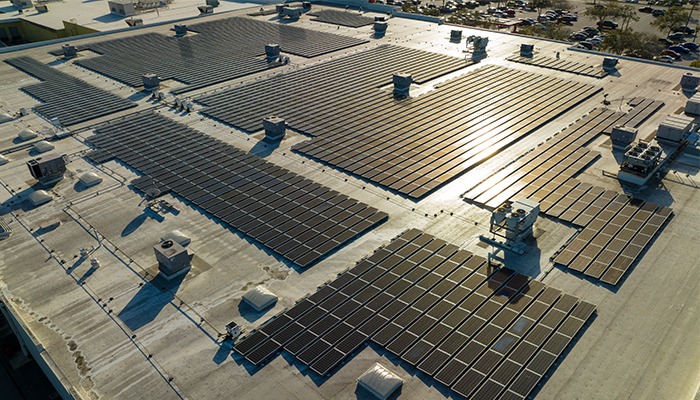
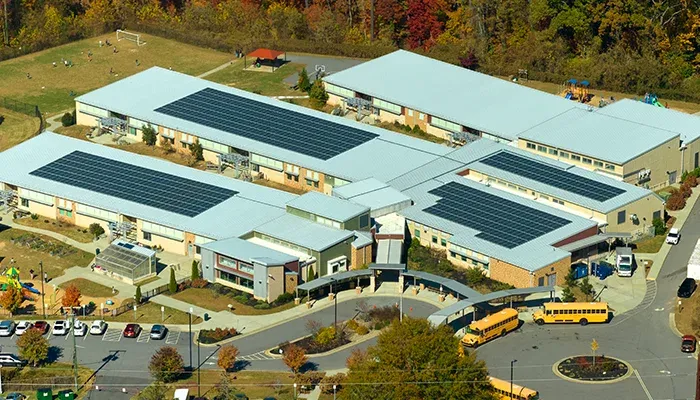
Because of their modular nature, PEB roofs are highly compatible with solar panels. The steel roof panels can support solar mounting systems, and their large surface areas allow for maximum solar energy capture.
Why Solar Integration in PEB Roofs is Beneficial
Integrating solar power into PEB roofing systems comes with several advantages:
- Reduced Energy Costs: Solar panels generate electricity from sunlight, which can significantly reduce electricity bills for industrial and commercial buildings.
- Sustainability: Using renewable energy reduces carbon emissions and supports environmentally friendly building practices.
- Efficient Use of Space: PEB roofs often have large, flat surfaces that are perfect for installing multiple solar panels.
- Long-Term Savings: Though the initial investment may be high, solar integration pays off over time by lowering operational costs.
- Increase in Property Value: Solar-enabled buildings are considered modern and energy-efficient, enhancing the overall property value.
How Solar Integration Works in PEB Roofing Systems
The process of integrating solar panels into PEB roofing involves several steps:
1. Structural Assessment
Before installing solar panels, it’s important to check the roof’s structural capacity. Engineers assess whether the PEB roof can handle the additional weight of the solar panels and mounting systems. Most PEB roofs are strong enough, but assessment ensures safety and compliance with building codes.
2. Choosing the Right Solar Panels
Selecting the right type of solar panels is crucial. High-efficiency panels work best for industrial buildings where maximizing energy output is essential. Both monocrystalline and polycrystalline panels are commonly used for PEB roofing systems.
3. Designing the Layout
The solar layout depends on roof size, orientation, and sunlight availability. Engineers design a layout that maximizes exposure to sunlight while maintaining easy access for maintenance and repairs.
4. Installing Mounting Systems
Special mounting structures attach the solar panels to the steel PEB roof. These mounts are designed to avoid damage to the roof panels while providing stability for the solar array. Proper installation ensures durability even during heavy wind or rainfall.
5. Electrical Integration
Once panels are installed, they are connected to inverters and the building’s electrical system. Inverters convert direct current (DC) from the panels into alternating current (AC) used by most appliances and machinery. Proper wiring ensures safe and efficient energy flow.
6. Testing and Commissioning
After installation, the system is thoroughly tested to ensure it is functioning correctly. Performance checks guarantee that the solar system delivers the expected power output and complies with safety standards.
Key Considerations for Solar Integration in PEB Roofs
- Roof Orientation: South-facing roofs receive the most sunlight, which increases energy generation.
- Shading: Trees, nearby buildings, or other obstructions can reduce solar panel efficiency.
- Maintenance: Periodic cleaning and inspection are necessary to maintain energy output.
- Warranty: Ensure solar panels and mounting systems come with reliable warranties.