What Are Steel Purlins and Their Role in PEBs
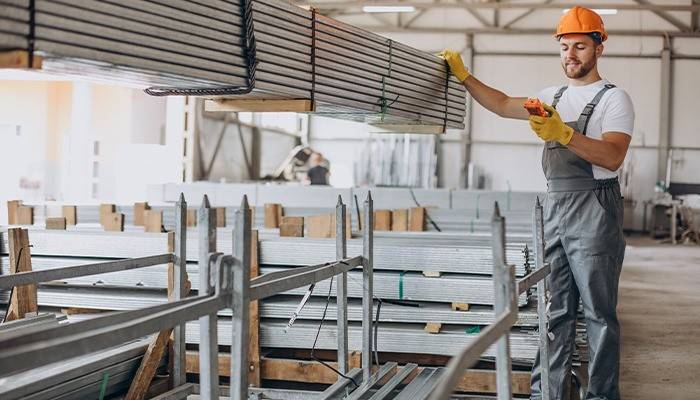
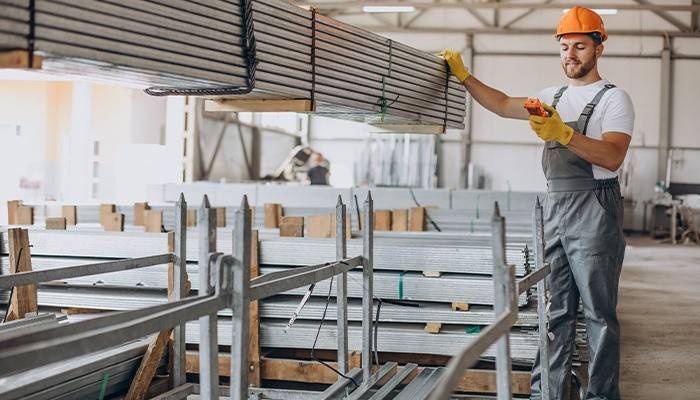
Steel purlins are horizontal structural members installed along the roof and walls of a PEB. They act as secondary supports, transferring the weight of roofing and cladding to the main structural frames. In PEB design and steel purlins, these components are vital for distributing loads evenly and enhancing overall PEB frame stability.
Using structural steel purlins for warehouses allows engineers to create wide spans without intermediate columns, resulting in more open floor plans. This flexibility is particularly valuable in industrial building steel purlins, where uninterrupted space is needed for storage, machinery, and operational efficiency.
Key Benefits of Steel Purlins in Pre-Engineered Buildings
The benefits of steel purlins are why they remain the preferred choice in modern PEB construction:
High Strength-to-Weight Ratio: Steel purlins provide exceptional strength while remaining lightweight. This reduces the dead load on the building’s primary frames, allowing for longer spans and safer structures.
Enhanced Structural Stability: One of the main steel purlins advantages is their contribution to PEB structural stability. By connecting roof sheets to the main frames and distributing loads efficiently, purlins prevent deformation under heavy wind, snow, or seismic forces.
Durability and Longevity: Made from high-quality steel, pre-engineered building steel purlins resist corrosion, fire, and extreme weather. Their durability ensures minimal maintenance and a long service life, making them a cost-effective component in PEB construction materials.
Flexibility in Design: With PEB design and steel purlins, engineers can customize the size, spacing, and profile of purlins to meet specific load requirements. This adaptability supports innovative industrial and commercial layouts.
Ease of Installation: Roof purlins in pre-engineered buildings are fabricated to precise specifications, simplifying installation. This reduces construction time, labor costs, and material wastage.
Applications of Steel Purlins in Industrial and Commercial Buildings
Steel purlins for factory buildings are commonly used in manufacturing units, cold storage, and production plants, where large column-free spaces are essential. Similarly, structural steel purlins for warehouses allow for expansive storage areas without internal columns, improving workflow efficiency.
Industrial building steel purlins are also critical in supporting heavy roofing materials, insulated panels, and even solar installations. Their high strength ensures safety while maintaining flexibility under environmental stresses.
High-strength steel purlins are particularly important in regions with heavy snow loads, high winds, or seismic activity. Their superior mechanical properties provide resilience and longevity, ensuring that the building structure remains secure.
Choosing the Right Steel Purlins for Your PEB Project
Selecting the correct purlins is essential for maintaining PEB frame stability. Engineers must consider:
- Span length and roof slope
- Load requirements, including live and dead loads
- Environmental conditions such as wind and seismic forces
- Compatibility with roofing and cladding materials
Proper integration of pre-engineered building steel purlins ensures a safe, durable, and efficient structure capable of withstanding operational and environmental stresses.