Understanding Customized Steel Structure Designs
Customization in steel structures means designing a building that perfectly aligns with the client’s vision, operational needs, and budget. Unlike traditional construction methods, steel allows for modularity and adaptability. Whether you need a high-rise office, a logistics hub, or a specialized industrial plant, steel structure building manufacturers can create a design that fits seamlessly.
The Process of Creating Fully Customized Designs
1. Requirement Analysis
The process begins with understanding the client’s specific needs and project goals. Manufacturers analyze the purpose of the building, whether it is industrial, commercial, or residential. They also consider size, layout, capacity, budget, and timelines. This step ensures that the final design aligns perfectly with the client’s expectations.
2. Conceptual Design
In this stage, manufacturers create an initial design using advanced software tools. 3D models help clients visualize the structure before construction begins. Engineers also perform structural analysis to ensure safety and durability. Energy efficiency and sustainability factors are also considered to optimize the building design.
3. Engineering and Detailing
After the concept is approved, detailed engineering drawings are prepared. These include load calculations to ensure the structure can handle stress and environmental conditions. Material specifications are defined for quality and durability. Systems like HVAC, plumbing, and electrical are also integrated into the design for smooth functionality.
4. Fabrication and Assembly
Steel components are manufactured in a controlled factory environment to ensure accuracy and quality. Customization allows manufacturers to create unique shapes, sizes, and finishes. Special coatings can be applied for durability and weather resistance. The use of modular parts also makes the assembly process faster and more efficient.
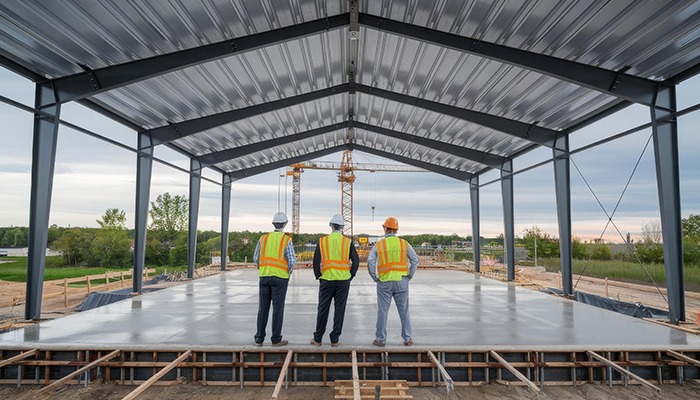
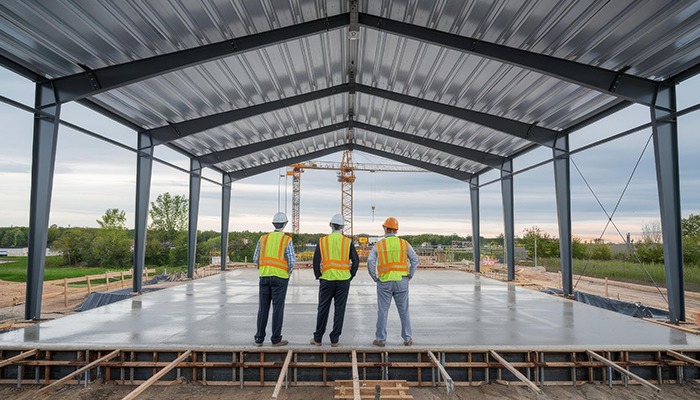
5. On-Site Construction
In the final stage, prefabricated components are transported to the construction site. The structure is assembled quickly using pre-designed parts, reducing construction time significantly. This method ensures consistency in quality and minimizes errors. It also helps complete projects faster compared to traditional construction methods.
Benefits of Customized Steel Structure Designs
Flexibility: Customized steel structures allow layouts to be tailored for specific industries, whether it’s a warehouse, factory, or office space. This ensures the building design perfectly matches operational needs and future expansion plans.
Efficiency: Prefabricated modules make construction faster and more streamlined. Since components are manufactured in advance, on-site assembly is quicker, reducing project timelines significantly compared to traditional methods.
Durability: Steel structures are built to last, offering resistance against harsh weather conditions, corrosion, and natural wear. This makes them a reliable choice for long-term projects with minimal maintenance requirements.
Cost Savings: Custom steel designs reduce labor costs due to faster assembly and lower maintenance expenses over time. The efficiency of prefabrication also minimizes waste, further cutting down overall project costs.
Sustainability: Steel is recyclable and eco-friendly, making customized steel structures a sustainable choice. Reusing steel reduces environmental impact and supports green building initiatives.
Challenges in Custom Steel Structure Projects
Complex Design Requirements: Fully customized designs often demand advanced engineering expertise. Manufacturers must handle intricate calculations and innovative solutions to meet unique client needs.
Budget Management: While customization adds value, it can also increase costs. Balancing design ambitions with financial constraints requires careful planning and transparent communication.
Coordination: Seamless collaboration between architects, engineers, and manufacturers is essential. Miscommunication or delays in coordination can affect timelines and project quality.
Regulatory Compliance: Customized steel structures must adhere to local building codes and safety standards. Ensuring compliance can be challenging, especially when designs are highly specialized or unconventional.