Understanding the Steel Structure and Its Importance in PEBs
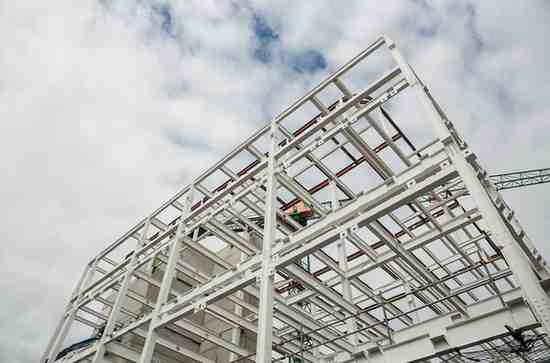
Steel structure buildings are the backbone of pre-engineered buildings. These buildings are fabricated in a factory setting with precise engineering specifications and then shipped to the site for assembly. The steel frames, columns, beams, and other components must be installed in a specific order to maintain balance and strength during the construction phase.
Unlike conventional construction, where materials are fabricated on-site, pre-engineered buildings erection involves assembling prefabricated steel members, making the erection sequence even more critical.
What Is the Steel Building Erection Sequence?
The steel building erection sequence refers to the step-by-step process of assembling the steel components on-site. The correct sequence generally follows this order:
Foundation and Base Plate Installation: The project begins with precise foundation work, which must be level and capable of supporting the steel structure.
Column Erection: Steel columns are erected first to establish the primary vertical supports of the building.
Beam and Girder Assembly: After columns are securely in place, beams and girders are installed to create the skeletal framework.
Purlins and Girts Installation: These secondary steel members provide lateral support and create the framework for wall and roof panels.
Roof and Wall Panels: Once the framework is complete, steel panels are installed to enclose the building.
Following this sequence ensures that the steel structure remains stable throughout the erection process and reduces risks of structural failure or accidents.
Why Following the Steel Structure Installation Steps Matters
For PEB contractors, adherence to the steel structure installation steps is essential for several reasons:
1. Safety First
The erection of steel structures involves working at heights and handling heavy components. Following a systematic erection sequence minimizes the risk of accidents and injuries on site. The steel structure safety procedures incorporated into the sequence help ensure that workers operate in a safe environment.
2. Structural Integrity
Incorrect sequencing can lead to uneven load distribution, causing stress on certain parts of the building that aren’t designed to bear it. This compromises the building’s integrity and can lead to deformations or failures.
3. Efficiency and Time Management
Adhering to the planned PEB construction sequence avoids unnecessary delays. If contractors skip steps or try to install components out of order, they may have to dismantle and redo work, increasing costs and extending the timeline.
4. Quality Assurance
Following the erection sequence as per design specifications ensures that all components fit correctly and perform as intended. It allows for proper alignment and reduces the risk of errors that affect the overall quality of the steel structure.
Key Components of the PEB Erection Process
A successful PEB erection process depends on several coordinated activities:
Site Preparation: Ensuring the site is ready with level foundations and access for cranes and machinery.
Material Handling: Proper storage and handling of steel components to prevent damage before assembly.
Use of Equipment: Utilizing cranes, hoists, and rigging equipment correctly during steel erection process.
Skilled Labor: Having trained personnel who understand the erection sequence and can safely assemble the structure.
Inspections: Regular checks after critical steps to ensure alignment, fastening, and overall structural stability.
Challenges in Steel Structure Assembly and How to Overcome Them
Despite careful planning, contractors can face challenges such as weather delays, equipment failures, or onsite adjustments. Proper knowledge of the erection sequence for steel structures allows for flexibility and troubleshooting without compromising safety or quality.
Effective communication between engineers, supervisors, and laborers during the erection process is vital. Also, maintaining documentation and following industry standards ensures consistency and reliability.
.jpg)