1. Initial Site Inspection and Assessment
The first step in any retrofitting project is a thorough inspection of the existing structure. Engineers evaluate:
- Structural strength
- Foundation condition
- Load-bearing capacity
- Existing materials and design
This assessment helps identify whether the building can support PEB components and what modifications are required.
2. Requirement Analysis and Planning
Once the inspection is complete, the next step is understanding the client’s requirements. This includes:
- Purpose of retrofitting (expansion, modernization, repair)
- Space optimization needs
- Budget constraints
At Kaizen PreFab, detailed planning ensures that the retrofitting solution aligns with both functional and financial goals.
3. Structural Design and Engineering
After planning, expert engineers create a customized PEB design. This stage includes:
- Load calculations
- Structural reinforcements
- Design of steel components
Advanced software is used to ensure precision and efficiency. The design is optimized to integrate seamlessly with the existing building.
4. Fabrication of PEB Components
Once the design is finalized, PEB components are manufactured in a controlled factory environment. These include:
- Steel frames
- Roofing sheets
- Wall panels
Factory fabrication ensures high quality, reduced wastage, and faster project timelines.
5. Site Preparation and Strengthening
Before installation, the existing structure may need strengthening. This step involves:
- Reinforcing foundations
- Repairing damaged sections
- Preparing the site for installation
Proper preparation ensures that the new PEB structure is stable and long-lasting.
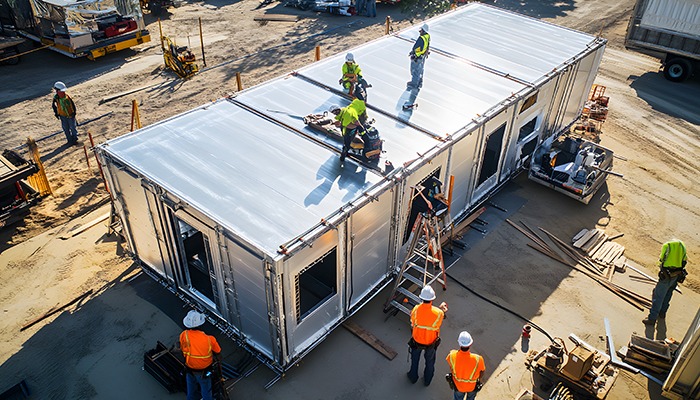
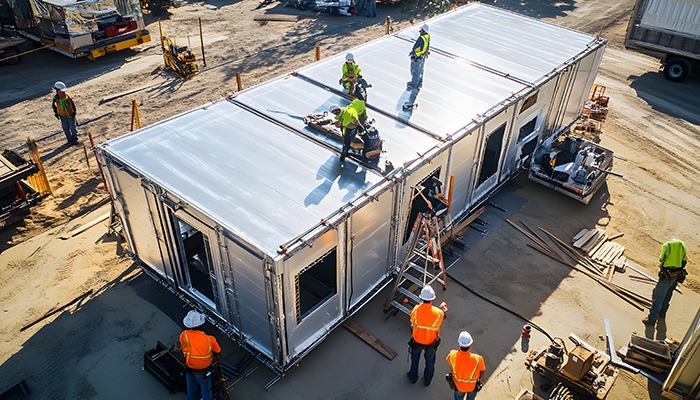
6. Installation and Assembly
The fabricated components are transported to the site and assembled. This phase includes:
- Erecting steel structures
- Installing roofing and cladding
- Integrating with the existing building
PEB installation is faster compared to traditional construction, minimizing downtime for businesses.
7. Quality Checks and Finishing
After installation, thorough quality checks are conducted to ensure safety and performance. Finishing touches such as painting, insulation, and ventilation systems are added to enhance functionality and aesthetics.
8. Final Handover and Support
Once the project is completed, the building is handed over to the client. A reliable peb supplier in delhi like Kaizen PreFab also provides post-installation support and maintenance guidance.