1. Pre-Engineered Building (PEB) Systems
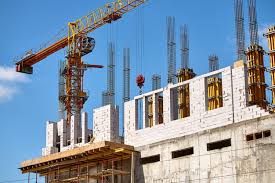
One of the biggest innovations in steel construction is the Pre-Engineered Building system. Unlike traditional construction, PEBs are designed and fabricated offsite and then assembled at the project location. This process not only reduces construction time by up to 50% but also minimizes labor costs and site disruption.
At Kaizen PreFab, we leverage advanced design software and precision fabrication techniques to deliver PEB structures that are not only cost-effective but also meet international safety and quality standards.
2. 3D Modeling & BIM Integration
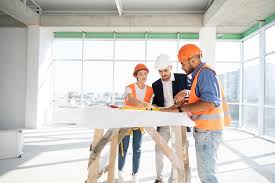
The use of Building Information Modeling (BIM) and 3D modeling tools has drastically improved planning and execution in steel construction. These tools allow architects, engineers, and builders to visualize the entire project in advance, identify clashes, optimize structural components, and reduce errors.
As a leading Industrial Shed Manufacturer in Delhi, Kaizen PreFab incorporates these technologies to ensure flawless execution from design to delivery.
3. High-Strength Steel and Modular Design
Modern steel buildings use high-strength, lightweight steel that improves structural integrity while allowing for more creative and flexible designs. Modular construction methods, where building parts are manufactured in standard units and then assembled onsite, also offer scalability and faster project turnaround.
Steel's versatility supports everything from open-span warehouses to multi-story office complexes, making it ideal for industrial and commercial use.
4. Energy Efficiency and Sustainability
Today’s steel buildings are more energy-efficient than ever. Enhanced insulation systems, cool roofing, and reflective coatings help regulate temperature, reducing HVAC load and operating costs. Steel is also 100% recyclable, making it a sustainable choice for environmentally conscious construction.
At Kaizen PreFab, we ensure our steel structures comply with green building standards and support clients looking to reduce their carbon footprint.
5. Smart Integration and IoT Compatibility
The future of steel buildings lies in smart integration. Many modern steel structures now support IoT-based systems for real-time monitoring of temperature, energy usage, security, and equipment performance. These intelligent systems increase operational efficiency and provide valuable data insights.