What are PEB Structures?
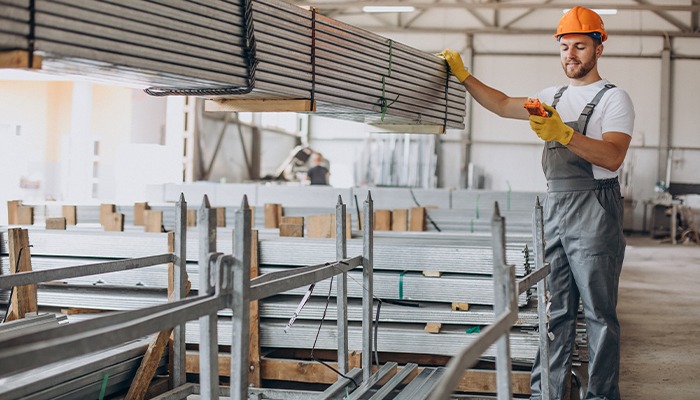
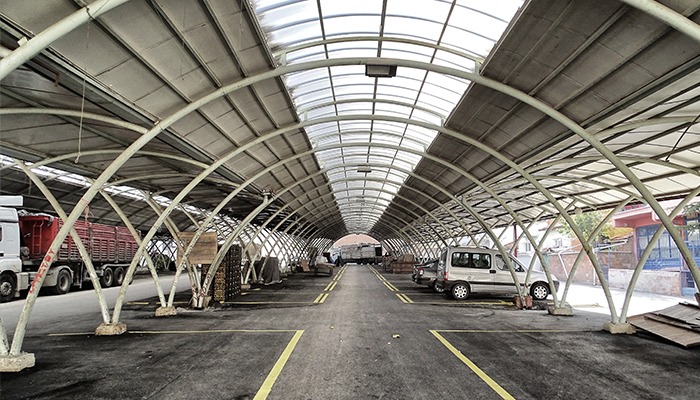
PEB structures are steel frameworks designed and fabricated in factories before being transported to the construction site. Unlike conventional construction, where everything is built on-site, PEB components are pre-engineered and tested for precision. This ensures faster assembly, reduced errors, and consistent quality. For ROB bridges, PEB structures provide lightweight yet strong frameworks that can handle heavy traffic loads, withstand extreme weather, and adapt to different terrains.
Reasons to Use PEB Structures in ROB Bridge Projects
1. Faster Construction PEB structures are fabricated in factories and assembled quickly on-site, cutting down construction time drastically. This speed is crucial for ROB projects where minimizing traffic disruption is a priority.
2. Cost Efficiency Pre-engineered components reduce material wastage and optimize labor usage. Although the upfront cost may be slightly higher, the savings in reduced delays and lower maintenance make PEB bridges more economical long-term.
3. High Strength and Durability Made from high-quality steel, PEB structures can withstand heavy loads, vibrations, and extreme weather. This ensures bridges remain safe and reliable for decades even under continuous heavy traffic.
4. Flexibility in Design PEBs allow engineers to customize span lengths, load capacities, and designs. This adaptability makes them suitable for both urban bridges with high traffic and rural projects with unique terrain challenges.
5. Eco-Friendly Construction Steel used in PEB structures is recyclable, and factory fabrication reduces waste. This makes PEB bridges environmentally responsible and aligned with modern sustainable construction practices.
6. Reduced Traffic Disruption Since assembly is faster, road closures and diversions are minimized. This is especially beneficial in busy cities where uninterrupted traffic flow is critical.
7. Better Quality Control PEB components are manufactured in controlled factory environments, ensuring precision and consistency. Unlike traditional on-site construction, this reduces errors and guarantees higher quality standards.
8. Lower Maintenance Costs PEB bridges require less upkeep compared to conventional concrete structures. This saves governments and contractors significant money over time, making them a cost-effective solution for long-term infrastructure.
Challenges in Using PEB Structures for ROB Projects
Initial Investment – The upfront cost of PEB structures can be higher than traditional methods.
Skilled Workforce Requirement – Specialized engineers and fabricators are needed to ensure proper assembly.
Transportation of Components – Large steel parts must be transported carefully to the site, which can be logistically challenging.
Regulatory Approvals – Some regions have strict codes and standards for steel structures, which may slow down approvals.
Tips for Successful PEB Implementation in ROB Projects
Partner with Experienced PEB Manufacturers – Work with companies that have proven expertise in bridge projects.
Conduct Proper Site Surveys and Load Calculations – Ensure accurate planning to avoid design flaws.
Use Advanced Software for Design and Simulation – Modern tools help predict performance and optimize designs.
Plan Logistics for Transporting Steel Components – Proper planning avoids delays and damage during delivery.
Focus on Long-Term Savings – Consider reduced maintenance and faster construction benefits rather than just initial costs.