At Kaizen PreFab, we specialize in providing end-to-end PEB solutions, combining innovative design, advanced fabrication techniques, and quality control to deliver structures that meet client expectations.
1. Initial Design and Planning
The PEB design process begins with understanding the client’s requirements, project scope, and site conditions. Engineers and designers evaluate the functional needs, load requirements, and aesthetic preferences to create a preliminary design. This stage involves selecting the appropriate materials, structural components, and dimensions to ensure durability and cost efficiency.
Advanced software tools, such as CAD (Computer-Aided Design) and BIM (Building Information Modeling), are used to produce detailed design layouts. These digital models allow engineers to visualize the structure, perform load calculations, and make adjustments before fabrication begins.
2. Structural Analysis and Detailing
Once the preliminary design is approved, the next step is structural analysis. Engineers simulate various load conditions, including wind, seismic, and snow loads, to ensure the building’s safety and stability. This analysis helps identify the most efficient structural configuration while minimizing material usage.
Detailed drawings are then prepared for every component, including columns, beams, trusses, and roof systems. Each element is designed with precision to ensure seamless assembly during construction. At Kaizen PreFab, our attention to detail ensures that all designs comply with industry standards and safety regulations.
3. Fabrication and Quality Control
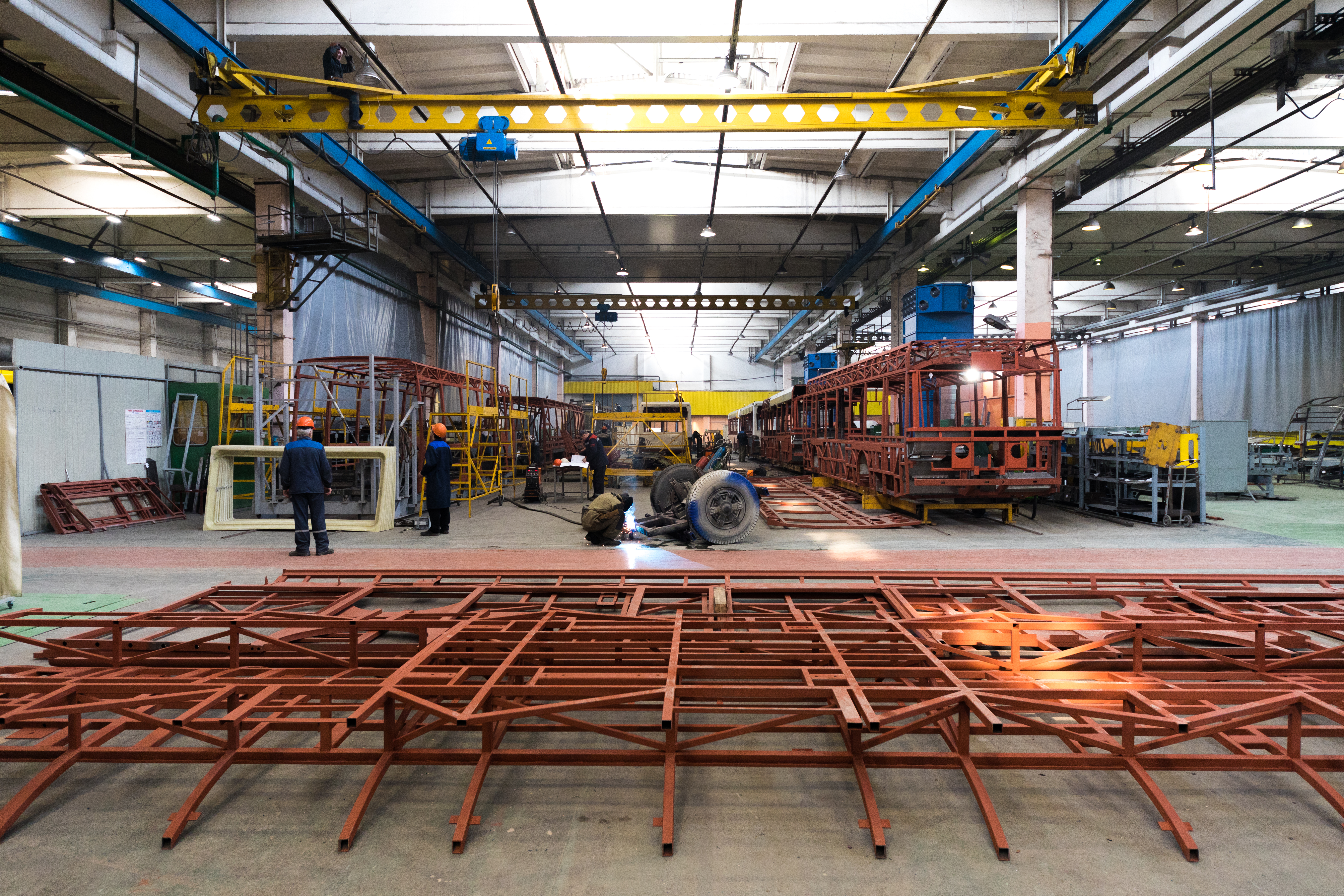
After the design is finalized, fabrication begins in a controlled factory environment. Steel components are cut, shaped, and welded according to the detailed drawings. The use of pre-engineered methods ensures accuracy and reduces on-site errors, saving both time and cost.
Quality control is a critical part of the fabrication process. Each component undergoes rigorous inspections for dimensions, weld strength, and material quality. This ensures that only high-quality elements are delivered to the construction site, maintaining the structural integrity of the building.
4. Delivery and Erection
Once fabricated, the components are transported to the site for assembly. The pre-engineered nature of the materials allows for faster erection with minimal on-site adjustments. Skilled technicians follow the design layout to assemble the structure efficiently, ensuring it meets all safety and performance standards.