Virtual Reality in Construction Industry: A New Era
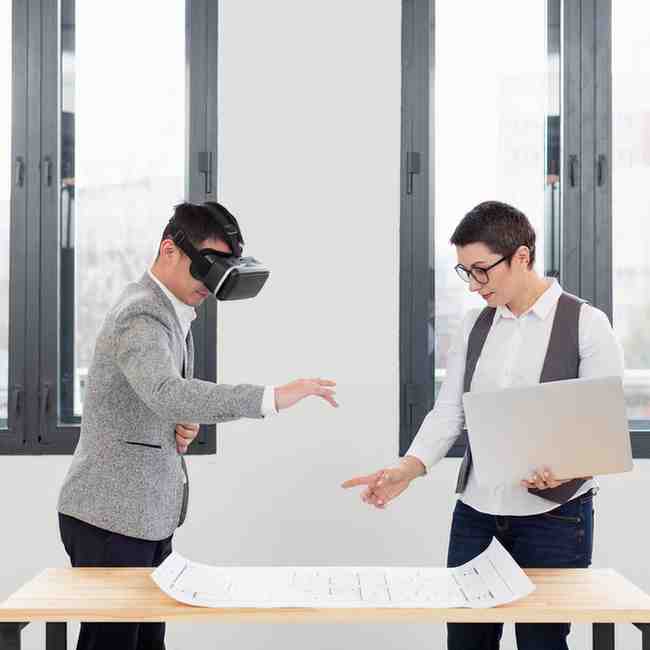
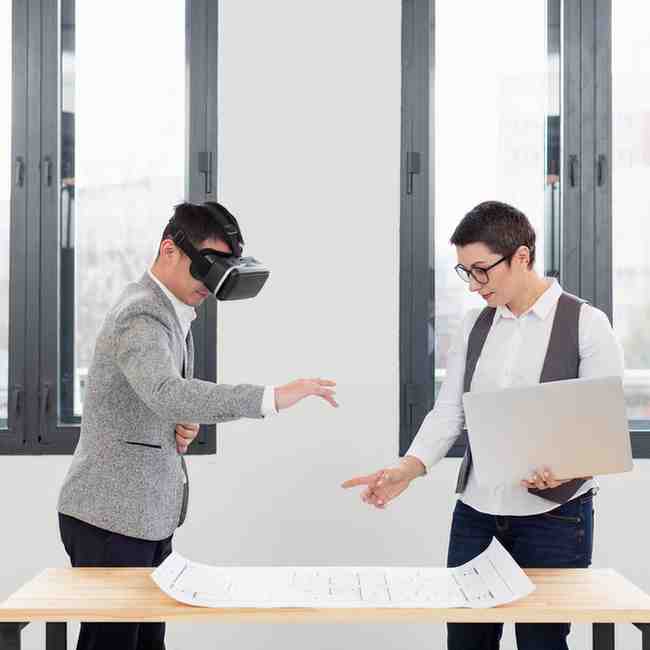
The construction industry has traditionally relied on blueprints, 2D drawings, and physical models. These methods often leave room for misinterpretation and design errors. With the use of virtual reality in construction, stakeholders can now immerse themselves in a 3D, interactive environment that represents the building project before actual construction begins.
This shift brings several advantages, such as improved visualization, early error detection, and better communication between teams. Virtual and augmented reality in construction is becoming a standard for firms wanting to deliver projects faster and with fewer costly changes.
What is PEB Project Planning?
PEB, or Pre-Engineered Buildings, are prefabricated metal buildings designed for quick and efficient construction. The design process for PEB requires precise engineering and coordination to ensure all components fit perfectly on-site. PEB project planning involves creating detailed models of the structure, calculating loads, and specifying materials and finishes. Given the complexity, errors or misunderstandings during planning can cause delays and increase costs.
Here, virtual reality in pre-engineered buildings proves to be a game-changer.
How Virtual Reality Enhances PEB Project Planning
Virtual reality in construction and engineering allows project managers, engineers, and clients to interact with a virtual replica of the PEB project. This capability offers several benefits:
Immersive Visualization: Instead of interpreting flat drawings, stakeholders can "walk through" the building in VR, experiencing space, layout, and design elements in real scale.
Early Detection of Design Flaws: VR environments make it easier to spot conflicts in design, such as misaligned components or inadequate spacing, reducing costly rework.
Improved Coordination: Engineers can visualize complex structural elements and simulate construction sequences, helping them optimize planning.
Faster Approvals: Clients and decision-makers can understand the design clearly, enabling quicker feedback and approvals.
Virtual Reality in Architecture and Engineering
Virtual reality is not just limited to construction execution but is deeply embedded in architectural design and engineering processes. Architects use VR to present design concepts realistically, allowing clients to experience the aesthetics and functionality of a building before construction starts. In engineering, VR helps simulate structural integrity, safety factors, and mechanical systems. For PEB projects, this means virtual reality in engineering ensures that every steel member, bolt, and panel is accounted for and tested virtually.
The Role of Virtual and Augmented Reality in Construction
While VR immerses users in a fully virtual environment, augmented reality (AR) overlays digital information on the real world. Both technologies are complementary in construction.
VR in construction is ideal for design visualization, training, and project planning phases.
AR is often used onsite for real-time construction guidance, quality checks, and progress monitoring.
Together, virtual and augmented reality in construction enhance the entire project lifecycle from planning through to completion.
How Virtual Reality Improves Client Collaboration
Client collaboration is vital for successful project delivery. VR allows clients to be active participants in the design and planning stages by:
- Giving clients an intuitive understanding of the project’s scale and design.
- Enabling real-time changes to be visualized instantly during discussions.
- Reducing misunderstandings that arise from technical jargon or 2D drawings.
- Increasing client confidence by allowing them to experience the finished building virtually.
This interactive approach builds trust and improves satisfaction, resulting in stronger client relationships.
Benefits of Using Virtual Reality in Pre-Engineered Buildings
The application of VR in PEB projects brings the following advantages:
Reduced errors and rework: Early visualization helps avoid costly mistakes.
Time savings: Faster approvals and improved planning reduce project duration.
Cost efficiency: Avoiding delays and optimizing material use saves money.
Better safety: Simulations can include safety planning and hazard identification.
Enhanced marketing: VR presentations can be used to impress potential clients and investors.
Future Trends: Virtual Reality in Construction Industry
The future of virtual reality in construction will likely include greater integration with BIM (Building Information Modeling), AI-driven analytics, and cloud collaboration platforms. These innovations will make VR environments even more detailed, accessible, and collaborative. As VR technology becomes more affordable and easier to use, more construction firms, especially those specializing in PEB, will adopt it to gain competitive advantages.