Understanding Warehouses
A warehouse is primarily designed for the storage of goods. It is a large, enclosed facility that serves as a hub for storing, organizing, and distributing products. Commonly used in retail, logistics, and distribution sectors, warehouses are built with racking systems, climate control options, and large dock areas to facilitate the smooth inflow and outflow of goods.
One of the most specialized types of warehouses is the cold storage warehouse, which is built to store perishable goods like food and pharmaceuticals under temperature-controlled conditions. Warehouses are usually more advanced in terms of technology and automation, often equipped with inventory management systems to enhance operational efficiency.
Understanding Industrial Sheds
On the other hand, an industrial shed is a more versatile structure often used for production, light manufacturing, machinery housing, and even small-scale storage. These sheds are a popular choice for businesses in manufacturing and fabrication sectors because they offer open floor plans and can be customized to accommodate equipment and workflow needs.
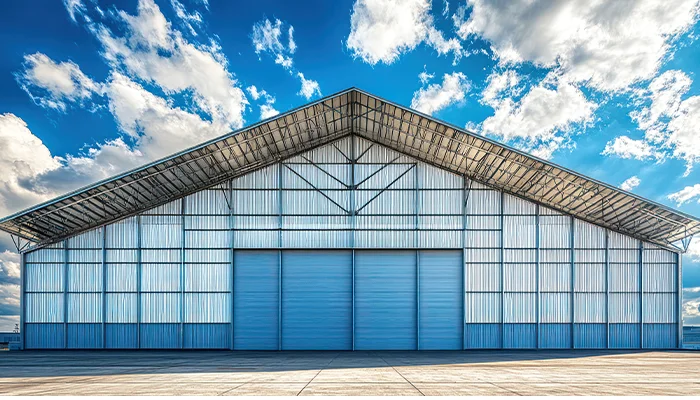
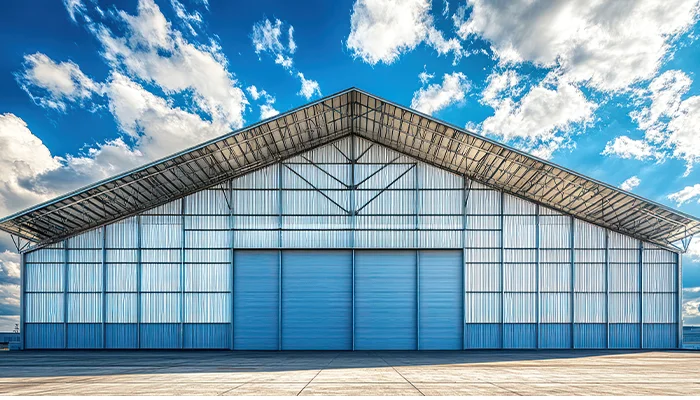
A large industrial shed can function as a manufacturing shed, industrial storage shed, or even an assembly area depending on its size and layout. While not typically as technologically advanced as a warehouse, an industrial shed offers flexibility and cost-efficiency, especially when built using modern industrial shed construction techniques like pre-engineered or prefabricated structures.
Key Differences Between Warehouse and Industrial Shed
Let’s break down the main contrasts in this warehouse and industrial shed comparison:
Purpose and Function:
Warehouses are built for storage and inventory management. Industrial sheds, however, are intended for a broader range of activities including manufacturing, assembly, and storage.
Design and Structure:
Warehouses are often more robust, featuring high ceilings, multiple loading docks, and climate control systems. Industrial sheds have simpler designs but are highly customizable, often depending on the specific industrial operation they serve.
Technology Integration:
Warehouses may include automated systems for inventory tracking and order processing. Industrial sheds typically require less automation and are more focused on space utility for machinery and processes.
Construction Costs:
Generally, industrial shed construction is less expensive and faster to complete compared to warehouse construction. This is due to the use of lightweight materials and less complex designs.
Use Case Flexibility:
Industrial sheds offer more flexibility. They can serve as manufacturing sheds, factory sheds, or industrial storage sheds, depending on business needs. Warehouses are more specialized and less adaptable.
Choosing the Right Structure for Your Business
Selecting between a warehouse vs industrial shed depends largely on your operational requirements. If your business involves bulk storage and distribution with minimal on-site processing, a warehouse is likely the best choice. However, if you're running a manufacturing unit or require a flexible space for various industrial operations, an industrial shed might be more suitable.
Additionally, it’s important to consider the long-term adaptability and scalability of the structure. While warehouses offer technological edge and better storage capabilities, industrial sheds deliver versatility and cost-effectiveness, making them ideal for a wide range of industries.