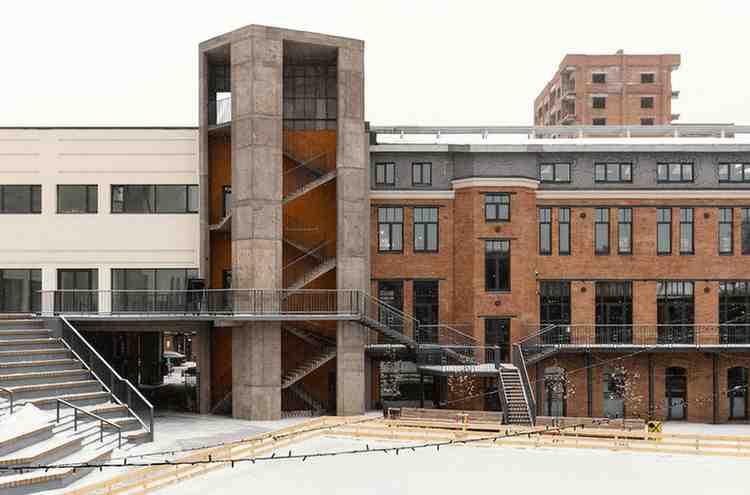
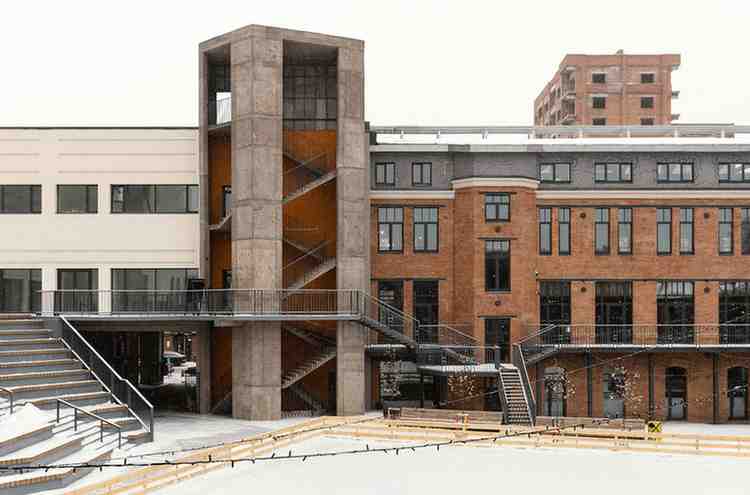
Understanding the Limitations of RCC Construction
RCC construction involves extensive on-site work such as concrete mixing, shuttering, curing, and heavy labor. While it offers durability, it also comes with long construction timelines. Weather conditions, labor shortages, and material delays can slow down the project significantly.
Another major issue with RCC construction is limited flexibility. Once the structure is complete, making changes or expansions is difficult, time-consuming, and expensive. For industries that need quick setup and future growth options, RCC often becomes a challenge.
What Are Pre-Engineered Buildings?
Pre-engineered buildings are steel structures that are designed and manufactured in a controlled factory environment. The components are then transported to the site and assembled quickly.
A PEB building is engineered with precision, ensuring optimal use of materials, consistent quality, and minimal waste. This factory-based process reduces errors and improves overall construction efficiency.
PEB vs RCC Construction: A Clear Comparison
When looking at PEB vs RCC construction, the differences are easy to see. PEB structures use high-strength steel frames that allow large, open spaces without too many columns. This is ideal for industrial operations, storage, and manufacturing units.
In peb vs rcc, PEB offers more design freedom and faster execution. RCC buildings, on the other hand, rely heavily on fixed layouts and columns, which limit space usage and flexibility.
Faster Construction and Reduced Project Time
One of the biggest reasons industries prefer pre engineered buildings vs RCC is speed.
Most PEB components are manufactured off-site while foundation work is happening on-site. Once delivered, installation takes only a few weeks. In contrast, RCC construction can take several months due to curing time and sequential work stages.
Faster construction means industries can start operations earlier, saving time and reducing overall project costs.
PEB vs RCC Cost Comparison
A proper PEB vs RCC cost comparison shows that PEB structures are often more economical in the long run.
Pre-engineered buildings require lighter foundations, less labor, and reduced material wastage. Maintenance costs are also lower because steel structures are easier to inspect and repair.
While RCC construction may seem affordable at the beginning, delays, higher labor costs, and difficulty in expansion often increase the total cost over time.
Flexibility and Easy Expansion
Industries evolve, and their space requirements change. Pre engineered buildings are designed with future expansion in mind.
PEB structures can be easily extended in length, width, or height without disturbing existing operations. This flexibility is very hard to achieve with RCC buildings, where expansion usually involves demolition and major structural changes.
Strength, Safety, and Sustainability
Modern pre-engineered buildings are designed to handle heavy loads, strong winds, and seismic activity. Steel structures absorb shock better than concrete, making them safer during earthquakes.
From an environmental point of view, steel is recyclable, and PEB construction produces less waste. This makes PEB building solutions more sustainable and environmentally responsible.
Industries Adopting Pre-Engineered Buildings
Many industries are now choosing PEB over RCC construction, including:
- Manufacturing units
- Warehouses and logistics centers
- Cold storage facilities
- Commercial and industrial buildings
These industries need speed, scalability, and cost control—areas where pre engineered buildings vs RCC clearly offer better value.