What Makes Steel PEB Structures Better Than Traditional Concrete Buildings in India?
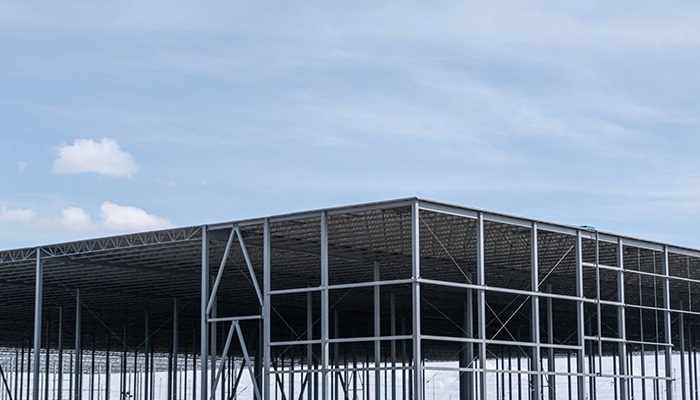
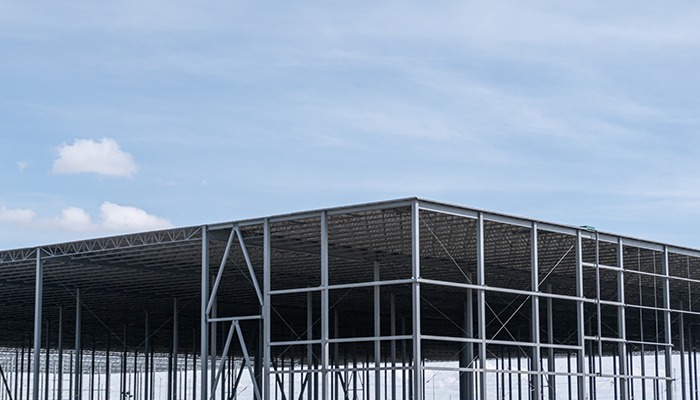
Steel PEB structures are designed and manufactured in factories before being assembled on-site. This gives them a significant advantage over traditional concrete buildings.
Key reasons:
Pre-designed Components: PEB structures use pre-engineered components that are manufactured with high precision. This reduces the chances of human error during construction. It also ensures that all parts fit perfectly during assembly. As a result, the overall structure is more reliable and efficient.
Lightweight Structure: Steel PEB buildings are much lighter compared to concrete structures. This reduces the load on the foundation, leading to lower foundation costs. A lighter structure also makes transportation and installation easier. It is especially beneficial for large industrial projects
Faster Execution: Since most parts are pre-made in factories, on-site work is minimal. This speeds up the construction process significantly. There is less dependency on labor and fewer delays. Projects can be completed in much shorter timeframes.
Quality Control: Factory production allows strict quality checks at every stage. This ensures consistent material quality and durability. Unlike on-site construction, there are fewer chances of defects. It results in a stronger and longer-lasting structure.
In contrast, concrete construction depends heavily on manual labor and weather conditions, which can delay projects and affect quality.
How Do Steel PEB Structures Reduce Construction Time and Costs?
One of the biggest advantages of steel PEB buildings is their speed and cost efficiency. They are designed to simplify construction and reduce overall expenses compared to traditional methods.
Faster Construction Time
Steel PEB structures are manufactured in factories and assembled on-site, which saves a lot of time. Projects that usually take months with concrete can be completed in just a few weeks. This quick execution helps businesses start operations earlier. It also reduces project delays.
Reduced Labor Cost
Since most of the work is done off-site, fewer workers are needed at the construction site. This lowers labor costs significantly. It also reduces dependency on skilled labor. As a result, project management becomes easier and more efficient.
Minimal Material Wastage
PEB components are pre-designed and manufactured with high precision. This means there is very little material waste during construction. Efficient use of materials helps in cost savings. It also makes the process more environmentally friendly.
Lower Maintenance Cost
Steel structures are strong, durable, and resistant to damage. They require less frequent repairs compared to concrete buildings. This reduces long-term maintenance costs. It also increases the overall lifespan of the structure.
Because of these benefits, businesses can start operations earlier, saving both time and money.
Why Are Steel PEB Structures More Durable and Sustainable in Indian Conditions?
India’s climate varies from extreme heat and humidity to heavy rainfall and seismic activity. Steel PEB structures are specially designed to handle these conditions, making them a reliable and long-lasting choice.
Corrosion-Resistant Coatings
Steel PEB structures are treated with special coatings that protect them from rust and moisture. This is especially useful in humid and coastal areas. It increases the life of the building. It also reduces the need for frequent repairs.
High Strength-to-Weight Ratio
Steel offers high strength while being lightweight. This makes the structure strong without putting extra load on the foundation. It also improves overall stability. Such buildings can handle heavy loads and harsh conditions easily.
Earthquake Resistance
Steel structures are flexible compared to concrete. This flexibility allows them to absorb shocks during earthquakes. It reduces the chances of cracks or collapse. This makes them safer in earthquake-prone regions.
Steel is 100% Recyclable
Steel can be reused and recycled without losing its quality. This makes PEB structures environmentally friendly. It reduces the need for new raw materials. It also supports sustainable construction practices.
Less Construction Waste
PEB components are pre-engineered and precisely manufactured. This leads to very little material waste on-site. It keeps the construction process clean and efficient. It also reduces environmental impact.
Energy-Efficient Design Options
Steel PEB buildings can be designed with insulation and ventilation systems. This helps in reducing energy consumption. It keeps interiors cooler in summer and warmer in winter. This results in long-term energy savings.
How Do Steel PEB Buildings Offer Better Design Flexibility and Scalability?
Modern businesses require flexible infrastructure that can adapt to changing needs. Steel PEB structures provide unmatched design freedom.
Key benefits:
- Customizable layouts: Easy to modify based on business requirements
- Large clear spans: No need for internal columns
- Future expansion: Structures can be extended easily
- Modern aesthetics: Sleek and professional design options
Concrete buildings, on the other hand, are rigid and difficult to modify once constructed.
Why Are Businesses in India Shifting from Concrete to Steel PEB Structures?
Businesses in India are rapidly shifting from traditional concrete construction to steel PEB structures due to their speed, cost efficiency, and flexibility. With growing demand for faster project completion, companies prefer PEB buildings that can be constructed in weeks instead of months. They also offer lower construction and maintenance costs, making them a budget-friendly option. Additionally, PEB structures are durable, eco-friendly, and easy to expand, which makes them ideal for industries, warehouses, and commercial spaces in a fast-growing market like India. Industries such as manufacturing, logistics, retail, and warehousing are increasingly adopting PEB structures to stay competitive.