Understanding AI and IoT in Smart Buildings
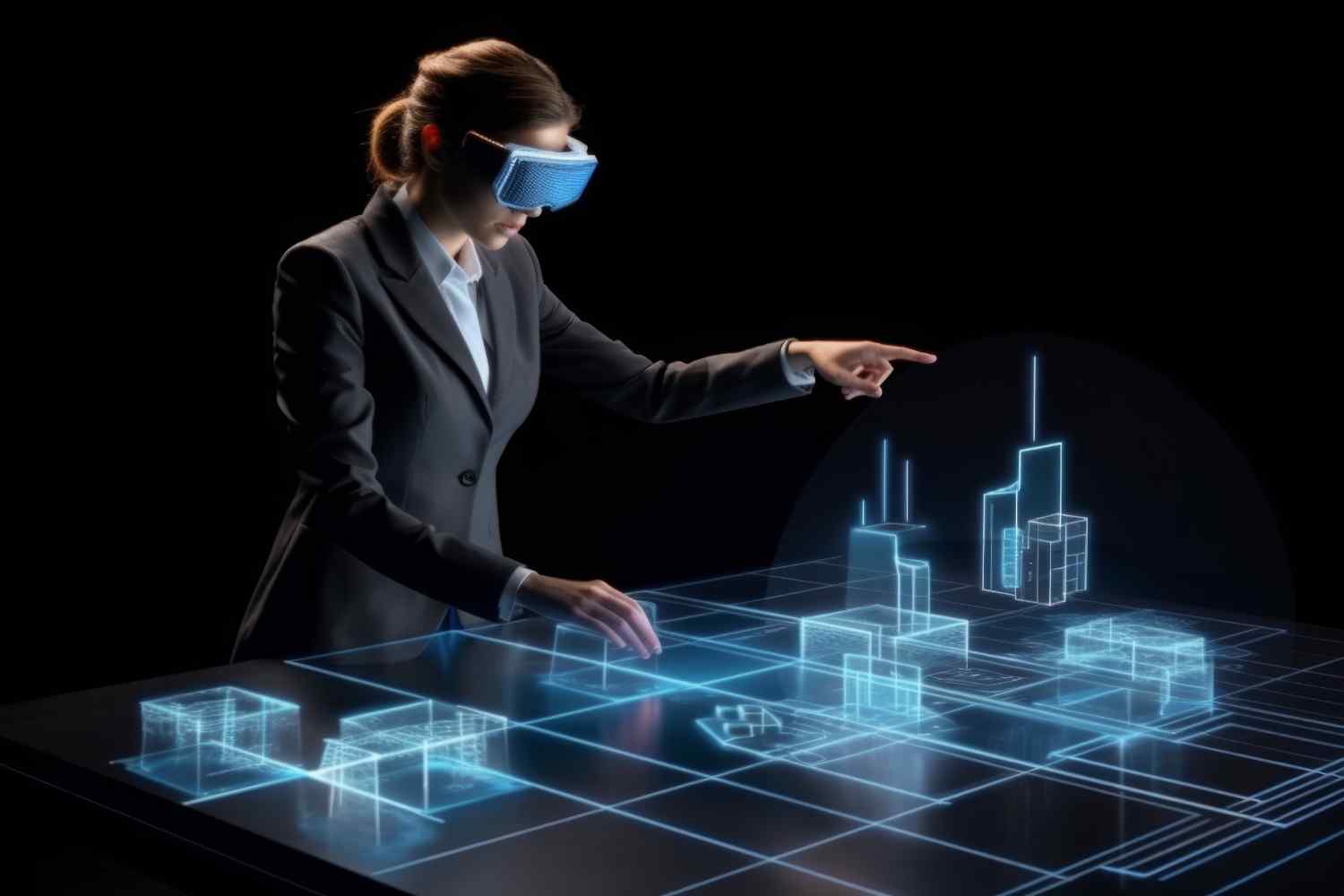
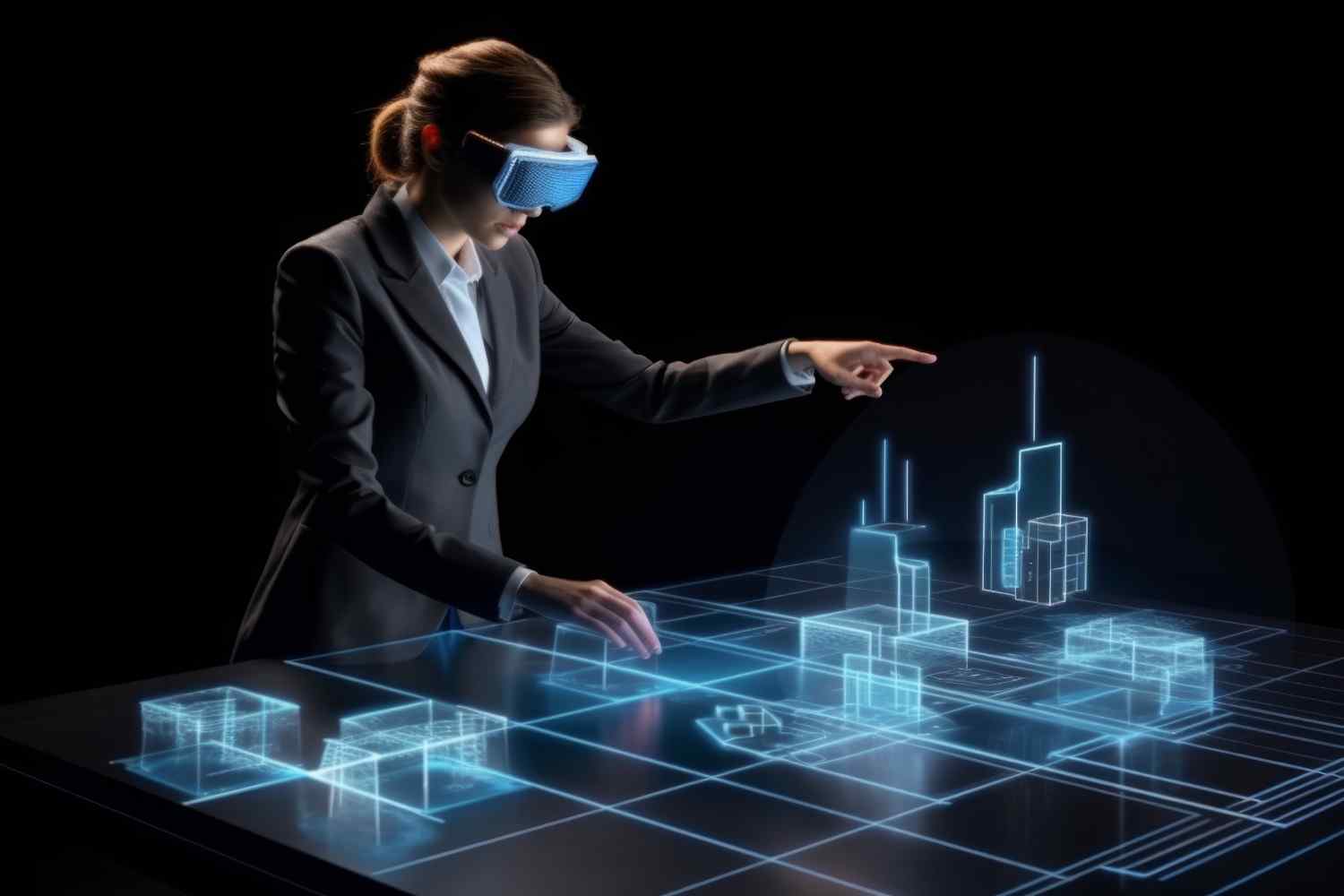
AI and IoT are often seen as separate technologies, but together, they form what experts call the Artificial Intelligence of Things (AIoT). While IoT connects devices and systems through sensors and networks, AI processes the collected data to make smart decisions.
In the context of smart building IoT, this means energy systems, lighting, security, and maintenance tasks can all be connected and optimized automatically. For pre-engineered buildings, the integration of AI and IoT helps transform a simple steel structure into a smart, energy-efficient, and automated environment.
Benefits of AI and IoT in Pre-Engineered Buildings
1. Smart Building Automation
One of the biggest advantages of integrating AI and IoT is smart building automation. With connected devices, PEBs can automatically control lighting, air conditioning, and ventilation systems. This not only makes daily operations easier but also reduces energy usage and costs.
2. Predictive Maintenance for Buildings
Traditional warehouses and industrial buildings often face costly repairs when equipment breaks down. With predictive maintenance IoT buildings, sensors constantly monitor machines, structural health, and electrical systems. AI then analyzes this data to predict when maintenance is needed—avoiding sudden failures and saving money.
3. Improved Energy Efficiency
Energy efficiency is a key concern for businesses today. Using energy-efficient smart buildings AI, companies can monitor real-time energy consumption, optimize power usage, and minimize waste. For PEBs, this means reduced electricity bills and a smaller environmental footprint.
4. AI IoT for Prefabricated Buildings
Pre-engineered buildings are designed for speed and flexibility. Adding AI IoT for prefabricated buildings takes this one step further by enabling features like smart sensors for air quality, adaptive temperature control, and automated safety alerts. This ensures that PEBs are not just fast to build but also smarter to operate.
5. Industrial Applications of AI and IoT
The rise of industrial IoT smart buildings is helping factories, warehouses, and logistics hubs improve their efficiency. For example, sensors can track inventory, monitor production processes, and enhance worker safety. In a PEB environment, these technologies improve day-to-day operations and maximize output.
AI in PEB Automation: Transforming the Future
The concept of AI in PEB automation is changing how businesses think about construction. Instead of just being storage spaces or production units, PEBs are evolving into intelligent hubs that support automated workflows, smart security, and real-time data monitoring. This creates a more reliable, sustainable, and future-ready infrastructure.