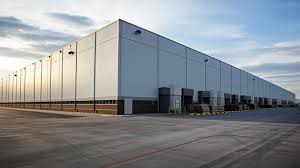
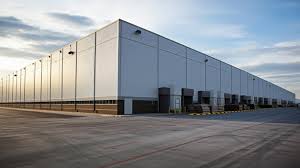
Companies across industries are investing in automated warehouses to improve productivity, reduce operational costs, and optimize inventory management. At the same time, businesses need flexible building solutions capable of supporting advanced warehouse technologies. This is where Kaizen PreFab plays a vital role by delivering advanced PEB warehouse solutions designed for the future.
What Are Automated Warehouses?
Automated warehouses are technologically advanced storage facilities where various warehouse operations are managed using automation systems and smart technologies.
These systems may include:
- Automated Storage and Retrieval Systems (ASRS)
- Robotic material handling
- Conveyor systems
- AI-powered inventory management
- Smart sensors
- IoT-enabled tracking systems
- Warehouse Management Systems (WMS)
- Automated sorting systems
The primary goal of warehouse automation is to improve efficiency, reduce manual labor, minimize errors, and increase operational speed.
In 2026-27, automation is becoming essential for industries such as:
- E-commerce
- Retail
- FMCG
- Manufacturing
- Pharmaceuticals
- Logistics
- Cold storage
- Automotive
As automation technologies evolve, businesses also require modern warehouse infrastructure capable of supporting heavy machinery, robotic systems, and scalable operations.
Understanding PEB Construction in Modern Warehousing
PEB construction refers to steel building systems that are designed, fabricated, and manufactured in factories before being assembled on-site.
PEB structures are widely used for:
- Industrial warehouses
- Logistics hubs
- Manufacturing units
- Distribution centers
- Commercial storage facilities
The popularity of PEB warehouses continues to grow because they offer:
- Faster construction
- Lower costs
- Structural flexibility
- Large column-free spaces
- Energy efficiency
- Easy expansion options
In the era of automation, PEB buildings provide the ideal infrastructure for integrating advanced warehouse technologies.
Why Automated Warehouses Need PEB Construction
The rise of Automated Warehouses with PEB Construction 2026-27 is not accidental. PEB structures offer several advantages that directly support warehouse automation systems.
Large Clear Span Areas
Automated warehouses require uninterrupted floor space for:
- Robotics movement
- Conveyor systems
- Automated forklifts
- High-density storage systems
PEB structures provide large column-free spans that improve operational efficiency and maximize storage capacity.
Faster Construction Timelines
The logistics industry moves quickly, and businesses cannot afford long construction delays.
PEB construction significantly reduces project timelines because building components are pre-manufactured before delivery.
This enables companies to:
- Launch operations faster
- Reduce downtime
- Meet market demands quickly
Easy Customization
Every automated warehouse has unique infrastructure requirements.
PEB warehouses can be customized for:
- Robotic systems
- Mezzanine floors
- Heavy machinery
- Smart lighting
- Ventilation systems
- Temperature-controlled storage
This flexibility makes PEB construction highly suitable for future-ready warehouses.
Scalability for Business Growth
One major advantage of PEB structures is easy scalability.
As warehouse automation evolves, businesses may need:
- Additional storage zones
- Expanded loading bays
- More robotic systems
- New processing units
PEB warehouses allow quick expansion without major structural modifications.
Cost Efficiency
Automation already requires significant investment in software, robotics, and equipment.
PEB construction helps reduce overall infrastructure costs through:
- Lower material waste
- Faster labor execution
- Reduced maintenance expenses
- Energy-efficient designs
This makes automated warehousing more financially practical for businesses.
Key Trends Driving Automated Warehouses in 2026-27
The future of warehousing is being shaped by several emerging technologies and industrial trends.
AI-Powered Warehouse Operations
Artificial intelligence is revolutionizing warehouse management.
AI systems now help businesses with:
- Demand forecasting
- Inventory optimization
- Predictive maintenance
- Route optimization
- Real-time tracking
PEB warehouses are increasingly designed to support AI-driven automation infrastructure.
Robotics and Autonomous Vehicles
Robotic systems are becoming standard in modern warehouses.
Popular automation technologies include:
- Autonomous mobile robots (AMRs)
- Robotic picking systems
- Automated forklifts
- Drone inventory monitoring
PEB structures provide the open layouts necessary for smooth robotic movement.
Smart IoT Integration
Internet of Things (IoT) technology allows warehouses to monitor:
- Temperature
- Inventory levels
- Equipment health
- Energy consumption
- Security systems
Modern PEB warehouses are designed with smart connectivity infrastructure to support IoT ecosystems.
Sustainable Warehouse Construction
Sustainability is a major industrial priority in 2026-27.
Businesses are focusing on:
- Energy-efficient buildings
- Solar-ready roofs
- Sustainable steel structures
- Reduced carbon emissions
PEB buildings support green construction initiatives because they generate less waste and consume fewer resources during construction.
Growth of E-commerce and Logistics
The rapid expansion of online shopping continues to drive demand for advanced warehousing infrastructure.
E-commerce companies require:
- Faster order fulfillment
- High-volume inventory systems
- Automated distribution hubs
PEB automated warehouses help businesses manage large-scale logistics efficiently.
Benefits of Automated Warehouses with PEB Construction
The integration of automation and PEB construction offers long-term business advantages.
Improved Operational Efficiency
Automation reduces manual intervention and speeds up warehouse processes.
Businesses experience:
- Faster inventory movement
- Better order accuracy
- Reduced delays
- Higher productivity
Lower Labor Dependency
Automated systems reduce dependency on large labor forces.
This helps businesses address:
- Labor shortages
- Human error
- Operational inefficiencies
Better Inventory Management
Smart warehouse systems improve inventory visibility and tracking.
This reduces:
- Overstocking
- Product loss
- Inventory inaccuracies
Faster Return on Investment
Although automation requires initial investment, businesses benefit from long-term cost savings and productivity gains.
PEB construction further improves ROI through reduced infrastructure costs.
Enhanced Safety Standards
Automated warehouses reduce workplace accidents by minimizing manual handling activities.
PEB structures are also engineered to meet modern industrial safety standards.
Industries Adopting Automated PEB Warehouses
Many industries are rapidly adopting automated warehouse infrastructure.
E-commerce
Online retailers use automation for:
- Fast order processing
- Inventory management
- Same-day deliveries
FMCG
FMCG companies require automated warehouses for efficient product movement and distribution.
Pharmaceutical Industry
Pharma warehouses need automation for:
- Temperature monitoring
- Accurate inventory tracking
- Compliance management
Automotive Industry
Automotive companies use automated warehouses for spare parts storage and supply chain optimization.
Cold Storage
PEB cold storage warehouses support automated refrigeration and inventory systems.
Challenges in Automated Warehouse Development
While the future is promising, businesses must also address certain challenges.
High Initial Investment
Automation technologies require significant upfront costs.
However, long-term efficiency improvements often justify the investment.
Skilled Workforce Requirements
Managing automated systems requires trained professionals with technical expertise.
Technology Integration
Integrating multiple warehouse technologies can be complex without proper planning.
Infrastructure Planning
Warehouse automation requires strong structural planning from the beginning.
This is why choosing experienced PEB manufacturers is important.
Why Businesses Choose Kaizen PreFab
Kaizen PreFab is a trusted name in industrial PEB construction solutions.
The company specializes in:
- PEB warehouse construction
- Industrial shed manufacturing
- Logistics infrastructure
- Customized steel building solutions
- Smart warehouse structures
- Large-span warehouse systems
Kaizen PreFab focuses on delivering durable, scalable, and future-ready warehouse solutions that align with modern automation requirements.
With growing demand for Automated Warehouses with PEB Construction 2026-27, businesses require reliable infrastructure partners capable of supporting evolving industrial technologies.