Why PEB Buildings Are the Future of EV Manufacturing Plants in 2026
The electric vehicle industry is growing at a pace that few industries have matched in recent history. New EV factories are being planned and built across the globe, and the pressure to get them operational quickly without compromising on quality or cost is pushing manufacturers to rethink how they build. One solution is rising above all others: PEB buildings. Pre engineered buildings are becoming the construction method of choice for EV manufacturing plants, and for very good reasons. They are fast to build, cost-effective, structurally strong, and flexible enough to handle the complex demands of modern EV factory construction. This blog breaks down exactly why PEB structure technology is shaping the future of EV manufacturing infrastructure in 2026.
What Are PEB Buildings?
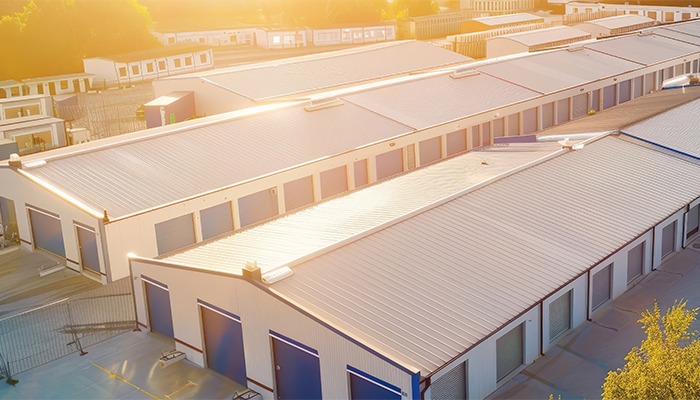
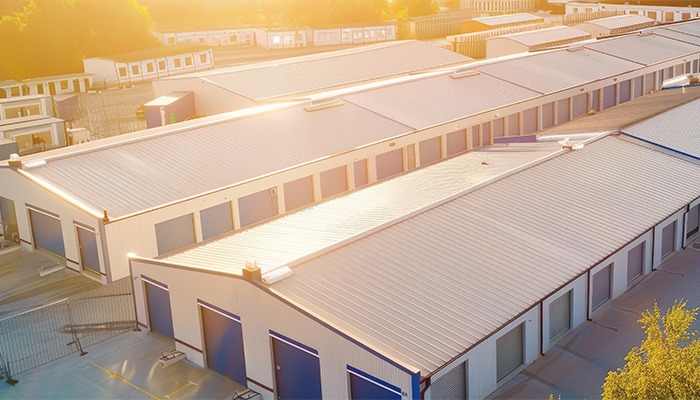
A pre engineered building is a steel structure that is designed, fabricated, and assembled using components that are manufactured in a factory and then shipped to the construction site for quick assembly. Unlike traditional construction where everything is built piece by piece on-site, a PEB structure arrives ready to put together like a highly engineered kit.
Pre engineered steel buildings use high-strength steel that is precision-cut and shaped under controlled factory conditions, which means every component fits perfectly, waste is minimal, and quality is consistent. The result is a building that goes up faster, costs less, and performs better than a conventionally constructed alternative.
Why EV Manufacturing Plants Need Something Different
EV manufacturing is not like assembling consumer electronics in a small workshop. A modern EV factory needs massive clear-span floor areas for assembly lines, high roof heights to accommodate robotic equipment and overhead cranes, heavy floor loads for battery production machinery, flexible layouts that can be reconfigured as production needs change, and fast construction timelines because time-to-production directly affects revenue.
Traditional brick-and-mortar or RCC construction struggles to meet all of these requirements at once, especially the speed and flexibility demands. Industrial PEB buildings, on the other hand, are engineered precisely for these kinds of large-scale, high-performance industrial environments.
Key Reasons PEB Buildings Are the Right Choice for EV Factories
Speed of Construction
An industrial shed built using pre engineered technology can be completed in a fraction of the time required for conventional construction. With EV market competition intensifying, getting a factory operational months earlier is a significant competitive advantage. PEB construction timelines are predictable because fabrication happens in a factory while site preparation happens simultaneously.
Cost Efficiency
Factory building construction using PEB technology reduces material waste, labor costs, and project management complexity. Because components are pre-fabricated with precision, there is very little rework on-site. For large-scale EV manufacturing infrastructure projects, these savings run into crores of rupees.
Large Column-Free Spans
EV assembly lines require long, unobstructed floor space. Steel structure buildings built with the pre engineered method can achieve clear spans of 30 to 90 meters without intermediate columns. This gives manufacturers complete freedom to design and reconfigure their production layouts without structural constraints getting in the way.
Durability and Load Capacity
Battery packs, stamping presses, and robotic systems are heavy. Industrial PEB buildings are engineered to handle extremely high floor and roof loads while maintaining structural integrity over decades. They are also designed to meet seismic and wind load requirements specific to their location.
Sustainability
EV manufacturing companies care deeply about their environmental footprint — and pre engineered steel buildings support that commitment. Steel is one of the most recycled materials on earth. PEB construction generates far less site waste than conventional methods. Many PEB industrial shed designs also accommodate solar panel installation on the roof, helping EV factories generate their own clean energy.
Flexibility for Future Expansion
As an EV manufacturer grows, the factory needs to grow with it. A PEB structure is one of the easiest building types to expand — additional bays can be added to an existing structure with minimal disruption to ongoing production. This built-in scalability is something no conventional industrial building construction approach can match as cleanly.
How PEB Buildings Support Every Part of EV Manufacturing Infrastructure
Different parts of an EV factory have different requirements, and pre engineered buildings can be customized to meet all of them under one unified construction system.
Factory Area
PEB Solution
Key Requirement Met
Main assembly hall
Large clear-span industrial shed
Unobstructed floor area for production lines
Battery pack production
High-load PEB structure with reinforced flooring
Heavy machinery and precision equipment support
Paint and body shop
Climate-controlled PEB building with insulation panels
Temperature and humidity control
Component warehouse
Warehouse construction with tall eave heights
High-density vertical storage
Charging and testing zone
Custom bay PEB industrial shed
Equipment clearance and ventilation
Administration block
Multi-story PEB compatible structure
Office and control room integration
Utility and power block
Standalone pre engineered steel building
Electrical and HVAC system housing
What to Look for in PEB Building Manufacturers
Not all PEB building manufacturers deliver the same quality or capability. When choosing a partner for an EV factory construction project, look for experience with large-span industrial projects, in-house design and engineering capability, quality certifications for steel fabrication, a track record of on-time delivery, and the ability to handle turnkey projects from design through installation.
A good warehouse construction company or industrial shed manufacturer for an EV project will also understand the specific technical requirements of EV production — crane load requirements, fire safety standards, ventilation design, and future expansion planning — not just general construction.
Conclusion
The shift to electric vehicles is one of the most significant industrial transitions of our time, and the buildings that house EV production lines need to be as forward-thinking as the vehicles themselves. Pre engineered buildings offer the speed, strength, flexibility, and cost efficiency that modern EV manufacturing infrastructure demands and in 2026, they are the clear choice for any serious EV manufacturer planning a new facility.
If you are planning an EV factory, a battery production facility, or any large-scale industrial project, Kaizenprefab is the partner you need. With deep expertise in PEB construction, pre engineered steel buildings, and industrial building construction across demanding sectors, Kaizenprefab delivers facilities that are built right the first time on time and within budget. Their team understands the unique requirements of EV manufacturing plants and brings the engineering depth and execution capability to make your project a success from the ground up.
02
Contact Us
Get in Touch With Us
Have a project in mind? Let's discuss how we can bring your Vision to Life