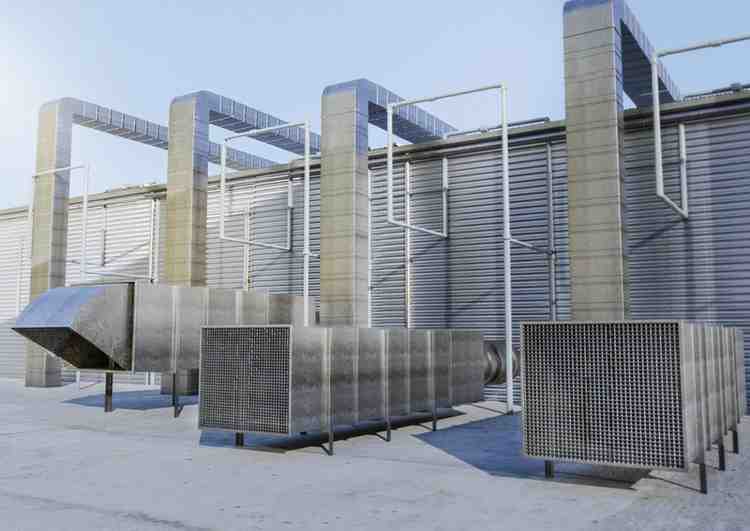
What Are PEB Warehouses and RCC Structures?
PEB warehouses are built using pre-manufactured steel components. These parts are fabricated offsite in a factory and then transported and assembled at the construction location. This method allows for quick construction and flexible design options.
On the other hand, RCC structures are made using reinforced concrete, which involves casting concrete with steel bars onsite. RCC is a traditional and widely used construction method known for its strength and durability.
Construction Time: PEB vs RCC
One of the key differences between PEB warehouses and RCC structures is the construction time.
PEB structures are known for their quick assembly because most components are pre-fabricated. This reduces on-site work significantly and speeds up the building process. Weather conditions and other site-related delays affect PEB warehouses less due to factory-controlled manufacturing.
Conversely, RCC construction requires more time. Concrete casting and curing are time-consuming processes that must be carefully done to ensure strength and durability. This can delay project completion, especially in unfavorable weather.
Therefore, when comparing construction time PEB vs RCC, PEB warehouses have the advantage of faster completion.
Cost Comparison: PEB vs RCC
Cost is always a major consideration in industrial building construction.
At first glance, RCC might seem cheaper because the raw materials like cement and steel bars are usually less expensive than fabricated steel parts used in PEB warehouses. However, the longer construction time in RCC leads to higher labor and overhead costs.
PEB warehouses may have a higher upfront material cost, but the reduced construction time lowers overall expenses. Also, PEB buildings are lighter, which can reduce foundation costs.
When looking at PEB vs RCC cost comparison, many find that PEB warehouses are cost-effective, especially for larger or more complex structures.
Strength and Durability
RCC structures have long been praised for their strength and durability. The combination of concrete and steel reinforcement provides excellent load-bearing capacity and resistance to harsh weather and natural disasters.
PEB warehouses, made of steel, also offer high strength and flexibility. Steel structures can withstand significant stress and are less prone to cracking compared to concrete. Modern PEB designs are engineered to meet strict safety standards.
Both RCC industrial buildings and PEB warehouses can last for decades if properly maintained.
Design Flexibility
Design flexibility is another important factor.
PEB warehouses allow for greater customization. Since components are fabricated in a factory based on detailed plans, it’s easier to modify designs or expand the building in the future. This makes PEB suitable for businesses that anticipate growth or changes.
RCC structures, while sturdy, are less flexible once construction begins. Changes to design during or after construction can be costly and time-consuming.
Maintenance and Lifecycle Costs
Maintenance varies between the two methods.
RCC structures generally require less frequent maintenance but can be costly to repair if cracks or structural issues develop.
Steel structures like PEB warehouses need regular inspection and anti-corrosive treatments to prevent rust and maintain integrity. However, damaged steel components are often easier to repair or replace than concrete parts.
Environmental Impact
PEB warehouses have an edge in sustainability. Steel used in PEB is recyclable, and factory fabrication results in less waste. Additionally, quicker construction means fewer emissions from machinery and transport. RCC construction consumes more water and raw materials like cement, which have a significant carbon footprint during production.