Which Construction is Better for Factories: PEB or Civil Building?
Choosing the right construction type is one of the most important decisions for any factory project. The structure of a factory directly affects project cost, construction speed, maintenance, future expansion, and operational efficiency. Many business owners often get confused between a civil building and a PEB structure while planning a manufacturing unit, warehouse, or industrial facility.
Both construction methods have their own advantages, but modern industries are increasingly shifting towards PEB Building for Factories because of faster construction and lower maintenance costs. Understanding the difference between PEB Structure vs Civil Structure can help businesses choose the right option based on budget, timeline, and operational needs.
What is a Civil Building?
A civil building is a traditional construction method that uses concrete, bricks, cement, sand, and steel reinforcement bars. This type of structure is commonly used in residential buildings, schools, offices, and some industrial facilities. In civil building engineering, the complete structure is constructed step by step at the project site. The process includes foundation work, column casting, brickwork, roofing, plastering, and finishing. Traditional civil building construction work usually takes longer because most activities happen manually on-site.
What is a PEB Building?
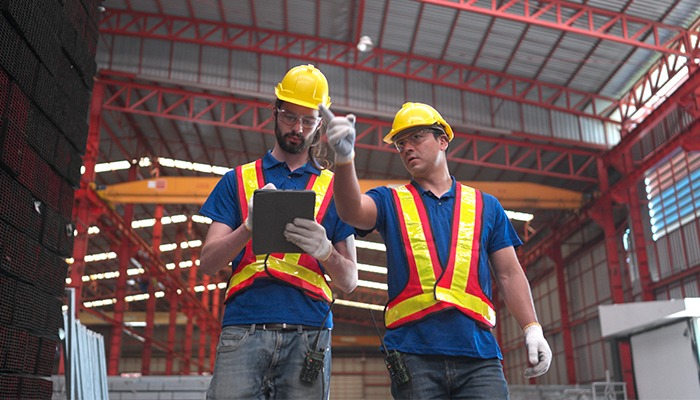
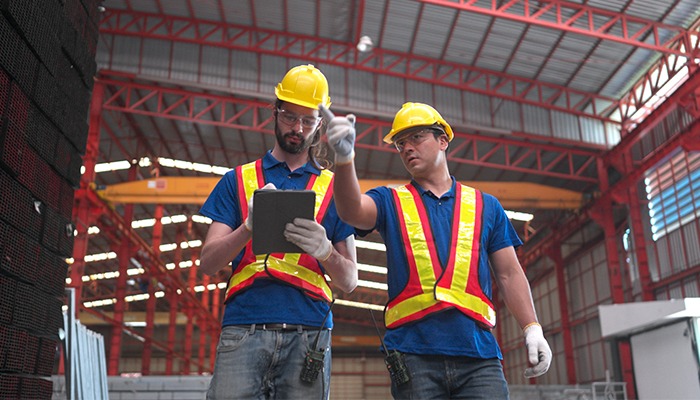
A PEB or Pre-Engineered Building is a steel structure that is designed and manufactured in a factory before installation at the project location. A Pre Engineered Building for Factory is made using high-quality steel components that are pre-designed according to the project requirement. These components are transported to the site and assembled quickly.
An Industrial PEB Building is widely used for:
Manufacturing plants
Warehouses
Logistics centers
Industrial sheds
Food processing units
Cold storage facilities
PEB Structure vs Civil Structure
Understanding the difference between PEB Structure vs Civil Structure is important before selecting the right construction method.
Factor
PEB Building
Civil Building
Construction Time
Faster
Slower
Material Used
Steel Structure
Concrete & Bricks
Expansion
Easy
Difficult
Maintenance
Low
Higher
Construction Cost
Cost-effective
Expensive
Durability
High
Moderate
Design Flexibility
More Flexible
Limited
From the comparison above, it becomes clear that PEB structures offer better speed and flexibility for industrial projects.
Construction Speed
One of the biggest advantages of PEB Building for Factories is faster project completion. In traditional Civil Construction for Factory, the work depends heavily on labor, weather conditions, and multiple construction stages. Delays are very common in civil projects.
On the other hand, PEB structures are manufactured in factories and assembled on-site quickly. This significantly reduces project timelines.
For businesses, faster construction means:
Early production start
Faster business operations
Better return on investment
This is why many industries now prefer Factory Construction Solutions based on PEB technology.
PEB Building Cost Comparison
Cost is one of the most important factors in any industrial project. A proper PEB Building Cost Comparison shows that PEB structures are usually more economical than traditional buildings.
Why PEB Buildings Reduce Costs
Less construction time
Lower labor cost
Reduced material wastage
Lower maintenance expenses
Faster installation
In civil structures, costs increase because of:
Longer project duration
Heavy raw material usage
More manpower
High maintenance requirements
Businesses looking for affordable Factory Building Construction often choose PEB structures for long-term savings.
PEB vs RCC Building
The comparison between PEB vs RCC Building is very common in industrial construction projects.
RCC buildings are strong but take more time and money to construct. They are suitable for residential or multi-story buildings but may not always be the best choice for large industrial spaces.
PEB buildings provide:
Large column-free spaces
Better ventilation
Faster execution
Easier future expansion
This makes them ideal for:
Warehouses
Industrial sheds
Manufacturing plants
Industrial Shed Construction
Modern industries require large open spaces for machinery, storage, and movement of goods. PEB structures are highly preferred for Industrial Shed Construction because they provide wide-span designs without too many internal columns.
Benefits include:
Better workflow
Efficient machinery placement
Easy material handling
Improved operational efficiency
This is why PEB technology is becoming popular in industrial infrastructure development.
PEB Warehouse Construction
Warehousing and logistics sectors are rapidly adopting PEB Warehouse Construction because of faster project delivery and lower operational costs.
PEB warehouses offer:
High storage capacity
Better ventilation
Quick installation
Lower maintenance
Easy scalability
For companies involved in logistics and supply chain management, PEB warehouses are highly practical solutions.
Flexibility and Future Expansion
Factory requirements often change as businesses grow. One major benefit of PEB structures is flexibility.
PEB buildings allow:
Easy expansion
Additional bays
Height extension
Layout modifications
Traditional civil buildings are much harder and costlier to expand.
This flexibility makes PEB structures suitable for growing businesses.
Which is Better for Factories?
Both construction methods have their importance, but for most industrial applications, PEB structures provide better advantages.
A Pre Engineered Building for Factory is generally better when businesses want:
Faster project completion
Cost-effective construction
Easy expansion
Lower maintenance
Modern industrial infrastructure
Traditional civil building construction may still work for certain projects, but PEB structures are becoming the preferred choice for modern industries.
Conclusion
Choosing between a civil building and a PEB structure depends on project requirements, budget, and operational goals. However, for most industrial applications, PEB Building for Factories offers better speed, flexibility, and cost savings compared to traditional construction methods. From Industrial Shed Construction to PEB Warehouse Construction, modern businesses are increasingly shifting towards steel-based infrastructure solutions for faster growth and long-term efficiency. If you are planning a factory, warehouse, or industrial facility, working with an experienced Kaizen Prefab can help you build durable, scalable, and high-performance industrial structures tailored to your business needs.
TABLE OF CONTENTS
02
Contact Us
Get in Touch With Us
Have a project in mind? Let's discuss how we can bring your Vision to Life