What is Drone Technology in PEB Construction?
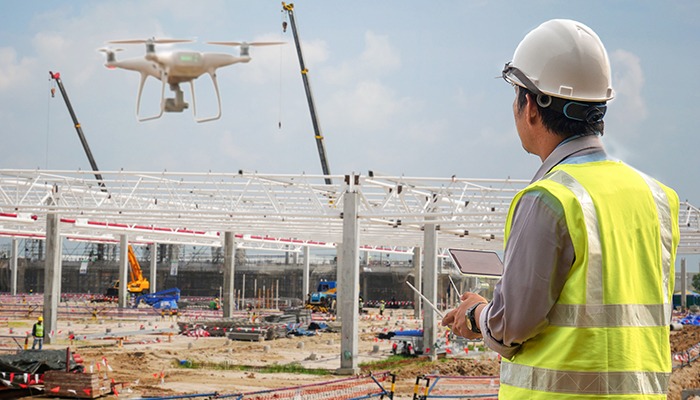
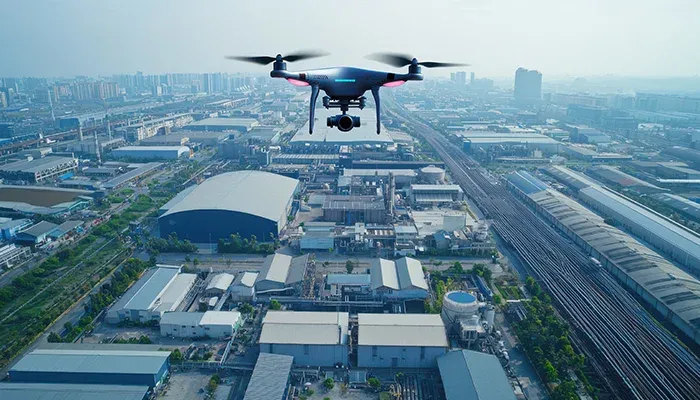
Drone technology involves using unmanned aerial vehicles equipped with cameras, sensors, and GPS systems to collect data from construction sites. These drones can capture high-resolution images, videos, and 3D maps. With advancements in robotics in drone technology, drones can now operate with minimal human intervention. They can follow pre-programmed routes, scan large areas quickly, and provide detailed insights that help engineers and project managers make better decisions.
How Drones Help in PEB Site Inspection
Traditional inspection methods often require workers to physically climb structures or use heavy equipment, which takes time and increases safety risks. With drones for site inspection, the process becomes faster and much more efficient.
Key Uses of Drones in PEB Projects:
1. Site Surveying and Mapping
Drones can quickly scan large land areas and create accurate topographical maps. This helps in better planning and layout design before construction begins.
2. Structural Inspection at Heights
Inspecting roofs, beams, and tall structures manually is risky and time-consuming. A drone for construction inspection can easily capture detailed visuals of these areas without putting workers in danger.
3. Progress Monitoring
Drones provide regular updates on construction progress. Managers can compare actual progress with planned timelines and make adjustments if needed.
4. Error Detection
By using drone construction site inspection, teams can identify issues such as misalignment or structural defects early, preventing costly rework later.
5. Safety Compliance Checks
Drones help monitor whether safety standards are being followed on-site, reducing the chances of accidents and penalties.
Benefits of Drone Inspection in Construction
The benefits of drone inspection in construction are not just limited to convenience—they directly improve efficiency and project outcomes.
1. Faster Project Execution
Drones can cover large areas in minutes, which would normally take hours or even days with manual methods. This speeds up inspections and keeps the PEB project on schedule.
2. Improved Accuracy
Drones capture precise data using advanced sensors and cameras. This reduces human error and ensures that measurements and inspections are reliable.
3. Enhanced Safety
Construction sites often involve working at heights or in hazardous conditions. Drone construction site inspection reduces the need for workers to enter risky areas, improving overall safety.
4. Real-Time Monitoring
Drones provide live video feeds, allowing project managers to monitor activities as they happen. This helps in making quick decisions and avoiding delays.
5. Better Documentation
All drone data can be stored digitally, making it easy to track progress, generate reports, and maintain records for future reference or audits.
Construction Drones Cost Savings
One of the most important advantages of drone technology is the ability to reduce overall project costs.
How Drones Help Save Money:
1. Reduced Labor Costs
Fewer workers are needed for inspections since drones can perform tasks quickly and efficiently.
2. Lower Equipment Costs
There is less need for scaffolding, cranes, or other heavy equipment for inspection purposes.
3. Less Rework
Early detection of issues through drone for construction inspection helps avoid expensive corrections later in the project.
4. Time Savings
Faster inspections mean quicker project completion, which reduces overhead costs and improves profitability.
These factors contribute to significant construction drones cost savings across the entire project lifecycle.
Improving ROI in Construction Projects
Every construction company aims to maximize returns, and drones play a key role in improving ROI in construction projects.
How Drones Increase ROI:
1. Faster Project Delivery
Projects completed on time or ahead of schedule reduce costs and increase client satisfaction.
2. Better Decision-Making
Accurate and real-time data helps managers make informed decisions, reducing risks and inefficiencies.
3. Increased Productivity
Automation through drones allows teams to focus on critical tasks rather than manual inspections.
4. Reduced Errors and Delays
By identifying issues early, drones help avoid costly delays and ensure smoother project execution.
Future of Drones in PEB Construction
The future of drones in PEB is closely linked with automation and AI advancements. With improvements in robotics in drone technology, drones will become even more efficient and intelligent.
Upcoming Trends:
- AI-based defect detection
- Automated site monitoring
- Integration with BIM systems
- Advanced analytics and reporting
These innovations will further enhance the role of drones in reducing costs and improving efficiency.